
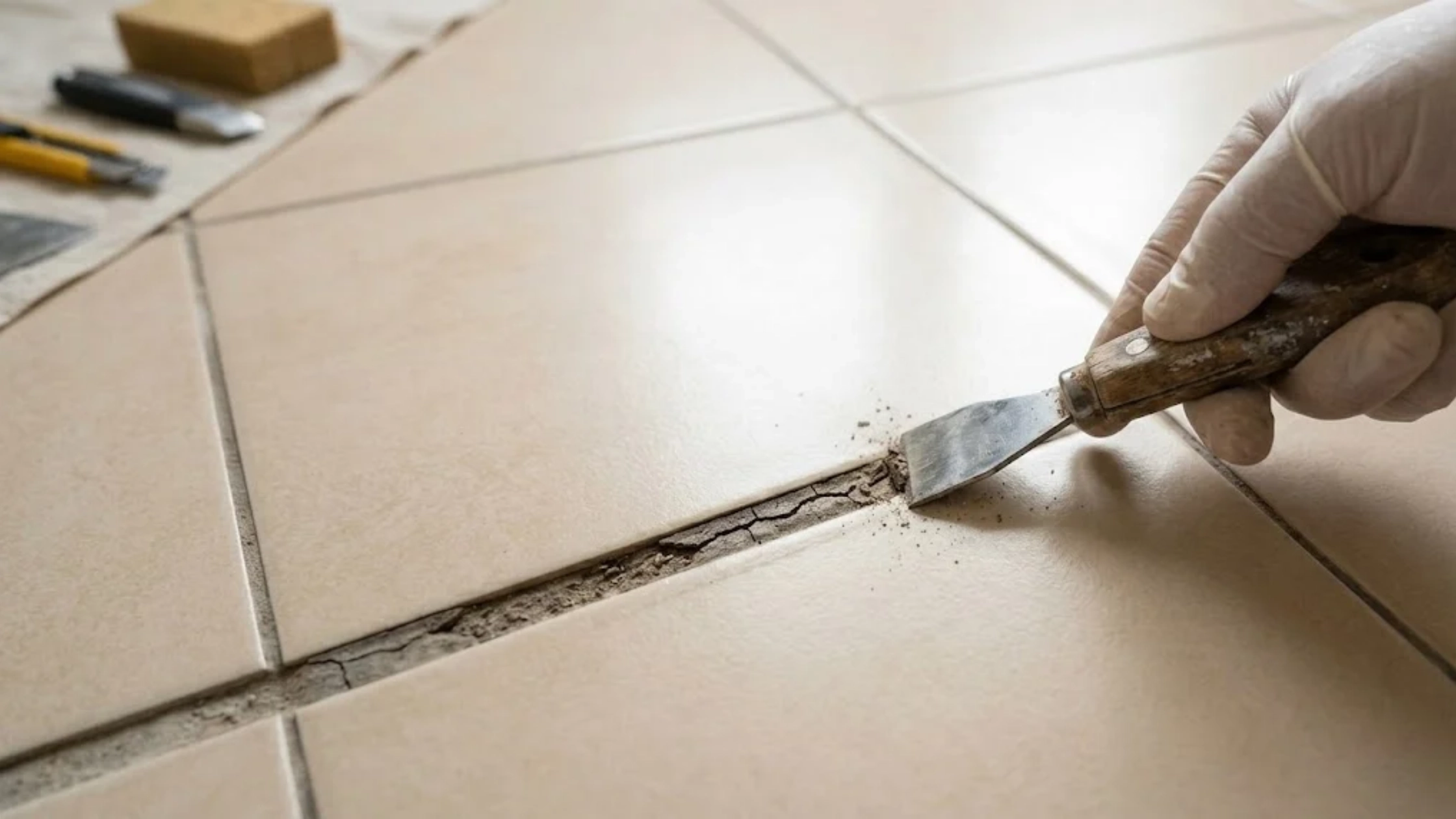
Why Old Grout Can Make an Entire Tile Surface Look Worn
Tile flooring can remain in place for years, but the grout between the tiles may gradually lose its original appearance. Dirt, repeated cleaning, moisture exposure, and everyday foot traffic can leave grout lines stained, cracked, or uneven. Even when the tiles themselves remain in good condition, deteriorating grout can make the entire surface look older than it really is.
For homeowners in St. Peters, grout replacement can be a practical way to refresh an existing tiled area without automatically replacing every tile. The process involves removing damaged grout and installing suitable new grout where needed, helping restore a cleaner, more consistent appearance.
However, replacing grout is not simply a cosmetic task. The condition of the surrounding tiles, the underlying surface, and any moisture problems should also be considered before work begins.
5 Signs Your Tile Surface May Need Grout Replacement
Not every discolored grout line needs to be removed. Sometimes, careful cleaning is enough. Other signs indicate that the grout itself has deteriorated and may need professional attention.
1. Grout Lines Remain Stained After Cleaning
Grout can collect dirt and residue because its texture and porosity make it more difficult to clean than many tile surfaces. In kitchens, entryways, and other frequently used areas, ordinary cleaning may no longer restore the original color.
If the discoloration remains after appropriate cleaning, the grout may have deep-set staining or surface deterioration. A professional assessment can help determine whether cleaning, sealing, or replacement is the more suitable option.
2. Grout Is Cracking or Crumbling
Small cracks or missing sections should not be ignored. Grout can deteriorate because of age, movement, installation problems, or moisture-related issues.
When grout starts breaking apart, simply covering the damaged section may not provide a lasting solution. The damaged material may need to be removed and replaced after the underlying cause has been evaluated.
3. Gaps Have Appeared Between Tiles
Missing grout can leave visible gaps that affect the finished appearance of the floor. Depending on the location, these openings may also allow water or debris to enter areas that should remain protected.
Before filling the gaps, it is important to check whether the tiles are secure. If a tile moves underfoot or sounds hollow, the problem may involve more than the grout itself.
4. Mold or Persistent Dark Spots Keep Returning
Grout in damp areas can develop discoloration associated with moisture and microbial growth. Dark marks that return after cleaning may indicate that the area is remaining damp or that the source of moisture has not been addressed. Cleaning or replacing grout alone will not resolve an ongoing leak or moisture problem. The cause should be identified before restoration begins.
For additional guidance on moisture management, the U.S. Environmental Protection Agency provides a useful resource: A Brief Guide to Mold, Moisture and Your Home.
5. The Grout Color Looks Uneven Across the Floor
Grout may become discolored at different rates depending on traffic, cleaning habits, and exposure to spills. This can leave some areas looking noticeably darker than others.
When the grout is structurally sound, professional cleaning may improve its appearance. If the material is damaged or heavily deteriorated, replacing the affected grout may be a better option.
How Professional Grout Replacement Refreshes Old Tile
The biggest visual improvement often comes from restoring the lines that separate individual tiles. Clean, consistent grout can help an existing floor look better maintained without changing the tile design. Professional grout replacement may help by:
- Removing deteriorated or missing grout.
- Creating more consistent grout lines.
- Improving the appearance of stained or worn areas.
- Addressing localized grout damage.
- Supporting easier routine maintenance when the correct materials and care methods are used.
The results depend on the condition of the tiles and the underlying installation. Grout replacement cannot repair cracked tiles, correct an unstable subfloor, or solve every moisture-related problem on its own.
What Happens During Professional Grout Replacement?
Understanding the process helps homeowners know what to expect and why careful preparation matters.
Step 1: Inspect the Tiles and Grout
The affected area is examined for cracked grout, missing sections, loose tiles, and signs of moisture damage. This helps determine whether grout replacement alone is appropriate or whether additional tile repair is necessary.
Step 2: Remove the Damaged Grout
Existing grout is carefully removed from the affected joints. The removal method depends on the grout type, joint width, tile material, and condition of the surrounding surface.
Care is important because aggressive removal can chip tile edges or damage nearby materials.
Step 3: Prepare the Joints
The joints are cleared of loose material and prepared for the new grout. Following the product instructions for cleanliness, dryness, and preparation helps create suitable conditions for application.
Step 4: Apply New Grout
A compatible grout is selected based on the tile installation, joint requirements, and intended use of the area. The new material is applied and finished to create consistent joints.
Step 5: Allow Proper Curing and Complete Final Checks
The grout must be allowed to cure according to the manufacturer’s instructions before the area is exposed to water or regular use. Depending on the product and location, sealing may also be appropriate.
This final stage helps protect the quality of the completed work.
Grout Replacement or Grout Cleaning: Which Do You Need?
Choosing the right treatment depends on whether the problem is primarily cosmetic or related to deterioration.
Grout cleaning may be appropriate when:
- The grout is intact but dirty.
- Discoloration appears to be on the surface.
- There are no significant cracks or missing sections.
- The tiles remain secure.
Grout replacement may be appropriate when:
- Grout is crumbling or missing.
- Cracks continue to develop.
- Sections have deteriorated beyond effective cleaning.
- The existing grout needs to be removed as part of a repair.
Some situations may require a combination of treatments. For example, an area with both stained grout and a few damaged joints may need localized replacement followed by appropriate cleaning of the surrounding surface.
When Does Tile Damage Require More Than Grout Work?
Grout and tiles work together, but they serve different purposes. Replacing grout will not correct a tile that has cracked through the body, become loose, or shifted because of an underlying problem. Before deciding on grout replacement, look for these additional warning signs:
- Tiles that move when stepped on.
- Cracks extending through individual tiles.
- Uneven tile edges.
- A hollow sound in several adjoining tiles.
- Water damage near walls, plumbing, or appliances.
- Repeated grout cracking in the same location.
These conditions may require a broader inspection. A qualified tile floor repair company can assess whether the problem is limited to the grout or whether the tiles and supporting surface also need attention.
Why the Right Materials Matter
Not all grout products are suitable for every tile installation. Joint width, tile material, location, moisture exposure, and manufacturer recommendations all influence material selection.Using an unsuitable product may lead to poor results, premature deterioration, or an appearance that does not match the existing surface.
Homeowners should also understand that grout is not a substitute for a waterproofing system. In areas exposed to regular water, such as showers, the underlying waterproofing and installation details are important.Selecting appropriate materials and following installation instructions can help the repaired area perform as intended.
How to Maintain Grout After Replacement
Once the work is complete, a few maintenance habits can help preserve the appearance of the grout.
- Clean regularly: Use a cleaner suitable for the tile and grout materials.
- Avoid harsh products: Strong chemicals or abrasive tools may damage certain finishes.
- Wipe up spills: Prompt cleanup can reduce staining.
- Control moisture: Repair leaks and improve ventilation where needed.
- Follow sealing guidance: Some grout products benefit from sealing, while others have different maintenance requirements.
- Address new cracks promptly: Repeated deterioration may signal an underlying movement or moisture issue.
If discoloration or cracking returns soon after repair, investigate the cause instead of repeatedly treating the visible symptom.
Choosing a Tile Repair Company in St. Peters
When comparing grout repair companies, look for a provider that evaluates the whole affected area rather than focusing only on the visible grout lines. Useful questions to ask include:
- Will the existing tiles be inspected before the grout is removed?
- How will the damaged material be removed?
- What type of grout is appropriate for the installation?
- Could loose tiles or moisture problems affect the repair?
- How long should the repaired area remain unused?
- Does the work require sealing or any special aftercare?
A reliable tile repair company should be able to explain the recommended work, identify limitations, and distinguish between a grout-only repair and a larger tile problem.
Making Old Tile Surfaces Look Better Without Replacing Everything
Grout deterioration can make a tiled floor or other tiled surface look tired, even when most of the tiles remain usable. In suitable cases, professional grout replacement can improve the appearance of the joints and help restore a more consistent finish. The key is to identify what is causing the damage before choosing a solution. Staining may call for cleaning, deteriorated grout may need replacement, and loose or cracked tiles may require additional repairs.
For St. Peters homeowners, taking the time to assess the entire installation can help avoid unnecessary work and lead to a more appropriate repair plan.
Ready to refresh your tiled surfaces?
Frequently Asked Questions
What is grout replacement?
Grout replacement involves removing damaged or deteriorated grout from tile joints and applying new grout suited to the installation. It may improve the appearance of old tile surfaces when the tiles and underlying structure are in suitable condition.
Can grout replacement make old tile look new again?
It can noticeably refresh the appearance of tile by creating cleaner, more consistent joints. However, it will not remove scratches, chips, cracks, or discoloration within the tiles themselves.
Is grout replacement better than cleaning?
It depends on the condition of the grout. Cleaning may be sufficient for surface dirt and staining, while cracked, crumbling, or missing grout may require replacement.
How do I know if a tile needs repair as well?
Loose tiles, cracks through the tile, uneven edges, or repeated grout failure may indicate a problem beyond the grout itself. An inspection can help determine the appropriate repair.
Should grout be sealed after replacement?
Some grout products benefit from sealing, while others may not require it. Follow the grout manufacturer’s instructions and use a compatible sealer when recommended.
Can damaged grout cause moisture problems?
Damaged grout can allow water to enter joints, but grout alone is not a waterproofing system. If moisture is reaching the underlying materials, the source and the condition of the complete installation should be assessed.
When should I contact a professional for grout repair?
Consider professional help when grout is crumbling, cracks keep returning, tiles are loose, or staining persists despite suitable cleaning. These signs may require more than a surface treatment.