When the Same Grout Crack Keeps Coming Back
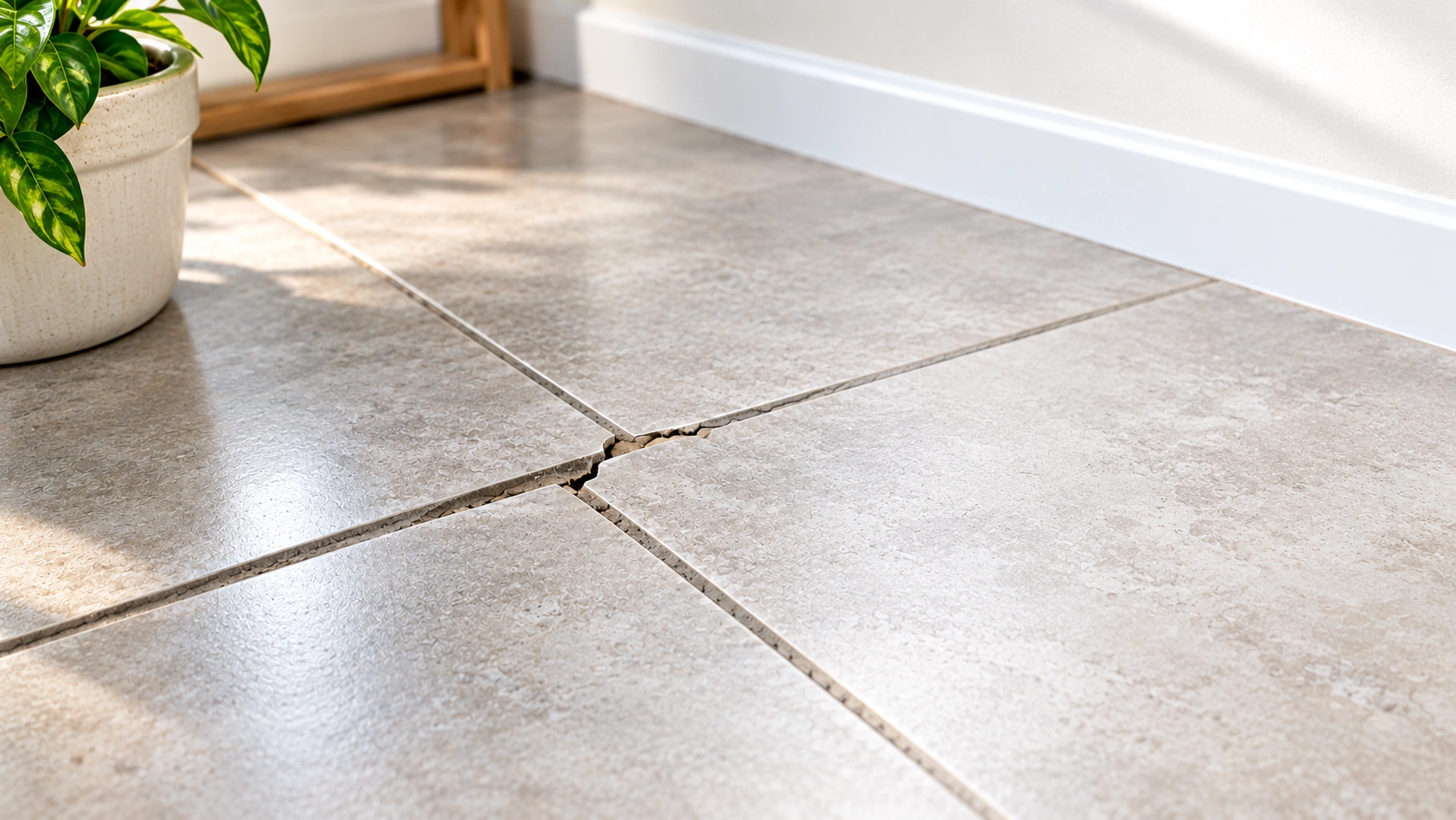
You notice a crack in the grout between your tiles, remove the damaged material, and replace it with fresh grout. The surface looks clean again, and you expect the problem to be resolved. But a few weeks or months later, the same crack appears in exactly the same place. Recurring grout damage can be frustrating, especially when you have already spent time and money repairing it. However, grout that keeps cracking in the same spot may indicate that the underlying cause has not been addressed.
Movement beneath the tiles, loose tiles, improper installation, moisture exposure, and unsuitable previous repairs can all contribute to repeated cracking. Sometimes, the problem is limited to the grout itself. In other cases, the grout is simply showing signs of a larger issue within the tile installation.
Before replacing the grout again, it helps to understand why the damage keeps returning. Recognizing the warning signs can help you choose the right repair method and avoid repeating the same work without a lasting improvement.
Why Does Grout Keep Cracking in the Same Spot?
Grout fills the joints between tiles, creating a finished surface and helping prevent debris from collecting in the gaps. However, it cannot compensate for every type of movement or instability within a floor or wall. When the same joint repeatedly cracks, the surrounding tiles, supporting surface, and original installation deserve attention.
1. Movement Beneath the Tiles
One possible cause of recurring grout cracks is movement in the supporting surface. Tile is relatively rigid. If the subfloor flexes, shifts, or moves under pressure, that movement can transfer stress to the grout joints. The grout may then crack along the weakest point, even if the joint was previously repaired. This can be particularly noticeable in areas that experience frequent foot traffic or where the supporting surface was not adequately prepared.You may notice that:
- The same grout line cracks repeatedly.
- Several nearby joints begin to show damage.
- Cracks appear in a continuous line across multiple tiles.
- The problem returns shortly after the damaged grout is replaced.
These signs do not automatically indicate a serious structural problem. However, repeated cracking can suggest that the supporting surface or tile installation needs closer inspection.
2. A Loose or Poorly Supported Tile
Sometimes, the grout is cracking because the tile itself is moving. A tile that has lost its bond with the setting material or lacks adequate support may shift slightly when someone walks over it. Even small movements can put repeated pressure on the surrounding grout joints. Possible warning signs include:
- A tile that moves or feels unstable.
- A hollow sound when the tile is tapped.
- Grout cracking around several edges of one tile.
- Fresh grout breaking shortly after a repair.
If the tile is loose, simply replacing the grout is unlikely to provide a lasting result. The tile may need to be removed, properly supported, and reset before the grout is replaced. Ignoring a loose tile can also allow damage to spread to nearby joints. Checking the tile’s stability before starting grout repair can help prevent unnecessary repeat work.
3. Missing or Improper Movement Joints
Tile installations need suitable movement joints to accommodate normal expansion, contraction, and other movement. These joints are particularly important where tiled surfaces meet walls, at inside corners, around certain fixtures, and in other locations specified by the installation requirements. If rigid grout is used where a flexible sealant joint is needed, the grout may repeatedly crack as the surrounding surfaces move. Replacing the damaged material with more rigid grout will not correct the underlying problem.
For example, the joint where a tiled floor meets a wall may require different treatment from a grout joint between two tiles in the middle of the floor.
The correct repair depends on the joint’s location and purpose. Using an appropriate flexible sealant where required can help accommodate movement and reduce the likelihood of the same crack returning.
4. Improper Grout Mixing or Installation
Not every recurring crack comes from movement beneath the tiles. The original grouting process can also contribute to premature failure.Problems may occur when grout is mixed with too much water, applied incorrectly, packed inadequately into the joint, or allowed to cure under unsuitable conditions. Using the wrong grout for the joint width or application can also affect its performance.
When the material does not develop the intended strength, it may become weak, powdery, or prone to cracking.In these cases, removing the deteriorated grout and replacing it correctly may solve the problem, provided there is no separate movement, moisture, or support issue.
Proper preparation matters, too. New grout needs a suitable joint to bond and cure correctly. Applying fresh material over damaged or poorly prepared grout may only provide a temporary improvement.
5. Moisture and Deterioration Beneath the Surface
Moisture deserves particular attention in bathrooms, kitchens, laundry rooms, and other areas exposed to water. Persistent dampness or leaks can affect certain supporting materials and contribute to problems with the tile installation. Damaged grout may also allow water to reach areas that are not intended to remain wet. Look for additional signs such as:
- Discoloration around the cracked joint.
- Persistent dampness or musty odors.
- Grout that repeatedly crumbles or deteriorates.
- Nearby tiles that become loose.
- Damage that returns around plumbing fixtures or wet areas.
Cracked grout does not automatically mean there is a waterproofing failure. However, when moisture-related symptoms are present, the source should be investigated before the grout is repaired again. Replacing the grout without addressing an ongoing leak or moisture problem may lead to further deterioration and another round of repairs.
What the Location of the Crack Can Reveal
The position and pattern of a crack can offer useful clues about its cause. Although an inspection is needed to confirm the problem, certain patterns are worth noting before arranging a repair.
Cracks Along One Tile Edge
A crack that follows the edge of a single tile may indicate localized movement, a bonding problem, or an issue with the joint itself. Check whether the tile feels stable and whether the grout is failing along one edge or several sides. If the tile moves when pressure is applied, the problem may extend beyond the grout.
Cracks Across Multiple Tiles
A crack that follows a continuous line across several tiles may be associated with movement in the supporting surface or a joint beneath the installation. If the tile itself is also cracked, the area deserves closer assessment before any grout replacement begins. Repairing the visible grout line without investigating the surrounding damage may not address the cause.
Cracks Near Walls and Corners
Grout that repeatedly cracks where a floor meets a wall or where two tiled walls meet may indicate that a movement joint is missing or has failed. These locations often require a suitable flexible sealant rather than rigid grout. The correct material helps accommodate movement at these joints.
Cracks Around a Loose Tile
If a tile moves underfoot or sounds hollow, the grout around it may be failing because the tile is not adequately supported. In this situation, repairing the grout without addressing the tile’s stability may only provide a temporary improvement. The tile should be evaluated before the joint is restored.
Why Replacing the Grout Alone May Not Work
Fresh grout can restore the appearance of a damaged joint, but it cannot correct every problem within a tile installation. Imagine that a floor tile moves slightly every time someone steps on it. Even if the cracked grout is removed and replaced correctly, the repeated movement may cause the new material to fail again.
The same issue can occur when the supporting surface flexes, a movement joint is missing, or moisture has damaged materials beneath the tile. This is why cracked grout repair should begin with identifying the likely cause, rather than immediately filling the visible gap. A suitable repair may involve replacing grout, resetting a loose tile, correcting a movement joint, or investigating a problem with the supporting surface. The appropriate solution depends on the condition of the installation.
A careful assessment can also help distinguish between a localized grout problem and damage that affects a larger area. That makes it easier to choose a repair that addresses the issue rather than repeatedly treating the same visible symptom.
How Professional Grout Repair Addresses Recurring Cracks
When grout repeatedly cracks in one location, a professional evaluation can help distinguish an isolated grout problem from a more extensive tile issue. The repair process may involve several steps.
Inspecting the Damaged Joint
The affected grout is examined for cracks, crumbling, missing material, and signs of movement. Nearby tiles are also checked for instability, unevenness, and other damage. The location and pattern of the crack help guide the assessment. A single damaged joint may need a different solution from several connected cracks across the floor.
Identifying the Likely Cause
The next step is to determine whether the problem appears to involve the grout, tile bonding, supporting surface, movement joints, or moisture. Not every cause can be confirmed from the visible crack alone. Some situations may require further investigation before the appropriate repair can be selected.
Removing the Damaged Grout
When grout replacement is appropriate, the deteriorated material is carefully removed to provide a suitable joint for the new grout. The surrounding tiles should be protected during this process. Proper removal and preparation help create the conditions needed for the replacement material to perform as intended.
Addressing Loose Tiles or Other Problems
If the inspection reveals a loose tile or another underlying issue, that problem may need to be corrected before the joint is regrouted. Where movement must be accommodated, the repair may require a suitable flexible sealant rather than rigid grout.
Applying Suitable Replacement Material
The replacement grout or sealant should be appropriate for the tile, joint dimensions, and installation conditions. Proper preparation, application, and curing according to the manufacturer’s instructions help the repair perform as intended. The finished area should also be checked for signs of remaining instability or damage.
Depending on the condition of the installation, tile and grout repair services may include regrouting damaged joints, addressing loose tiles, or evaluating other visible flooring concerns.
Can Recurring Grout Cracks Damage the Tile Floor?
A small crack does not necessarily mean the entire floor is damaged. However, recurring cracks should not be ignored, particularly when they appear alongside other signs of trouble.
If movement continues beneath the tiles, the damage may eventually affect surrounding grout joints or the tiles themselves. In areas exposed to water, damaged joints may also be associated with moisture reaching the underlying materials. Pay attention to:
- Cracks that continue spreading.
- Several joints failed in the same area.
- Tiles that shift, lift, or feel unstable.
- Cracked tiles near damaged grout.
- Persistent moisture or unexplained discoloration.
These symptoms do not prove a specific underlying problem, but they suggest that surface-level grout replacement may not be enough. Addressing the cause early can help prevent unnecessary repeat repairs and provide a clearer understanding of the floor’s condition. It can also help you decide whether a small repair is appropriate or whether a more extensive assessment is needed.
How to Reduce the Risk of Grout Cracking Again
Although some movement and wear are unavoidable, proper installation and maintenance can help reduce the likelihood of recurring grout damage.
Use the Right Grout for the Application
Grout should be selected according to the tile, joint width, exposure, and product specifications. Not every grout is suitable for every installation. Using a compatible product helps ensure that the material is appropriate for the conditions in which it will be used.
Make Sure the Tile Installation Is Stable
Loose tiles and movement in the supporting surface should be addressed before replacing damaged grout. Otherwise, repeated movement may place stress on the new joints.
Allow Proper Curing
Grout and setting materials need to be cured according to their manufacturer’s instructions. Disturbing the installation too early or using unsuitable mixing methods can affect the finished result.
Use Flexible Sealant Where Required
Certain corners, transitions, and changes of plane require movement joints rather than rigid grout. Using the appropriate material helps accommodate movement at these locations.
Investigate Moisture Problems
Repair leaks and address persistent dampness before restoring damaged joints. Replacing grout without resolving an ongoing moisture issue may not provide the expected result.
Address New Damage Promptly
If you notice a fresh crack, check whether it is isolated or accompanied by loose tiles, spreading damage, or moisture. Early assessment can help prevent a minor issue from becoming a larger repair project.
When Should You Consider Professional Tile and Grout Repair?
Professional assessment is particularly useful when the same grout crack returns after previous repairs. Consider having the area inspected if:
- The same joint cracks repeatedly.
- Several grout lines are failing together.
- Tiles feel loose or sound hollow.
- Cracks appear alongside moisture-related symptoms.
- The tile itself has developed cracks.
- You are unsure whether the problem involves grout, tile bonding, or the supporting surface.
A professional can evaluate the visible damage and help determine whether localized grout repair is appropriate or whether additional work is needed.
Reviewing examples of completed flooring repair projects can also help you understand the different types of tile and flooring problems that may require attention. Every installation is different, so the appropriate repair will depend on the cause and extent of the damage.
Stop the Cycle of Recurring Grout Cracks
When a grout keeps cracking in the same spot, the repeated damage may be a sign that something beyond the grout needs attention. Movement beneath the tiles, loose tiles, missing movement joints, improper installation, and moisture-related issues can all contribute to recurring cracks. Replacing the grout may be sufficient when the damage is isolated and the surrounding installation is stable. If the same crack returns, however, it is worth investigating the cause before repeating the repair.
The goal of effective grout repair is not simply to hide the crack. It is to determine why the joint keeps failing and choose a solution suited to the condition of the tile installation.
If you are dealing with recurring grout damage, an assessment of the affected area can help clarify whether the issue requires regrouting, tile repair, or further investigation. Addressing the cause rather than repeatedly filling the same gap can help you make a more informed decision about maintaining your tiled surfaces.
Frequently Asked Questions
Why does grout keep cracking in the same spot?
Recurring grout cracks may be caused by movement beneath the tiles, a loose tile, missing movement joints, improper installation, or moisture-related damage. The underlying cause should be assessed before the grout is replaced again.
Can I put new grout over cracked grout?
Applying new grout directly over damaged grout is generally not a reliable long-term repair. The damaged material should be removed to an appropriate depth, and the joint should be properly prepared before replacement.
Does cracked grout mean the tile is loose?
Not always. Grout can crack because of installation or curing problems, movement in the supporting surface, or an unsuitable joint design. However, tiles that move or sound hollow should be inspected for bonding or support issues.
Can water cause grout to crack?
Moisture can contribute to deterioration in some tile installations, particularly when leaks or persistent dampness affect supporting materials. Cracked grout alone does not confirm water damage, so additional symptoms should be investigated.
Should I replace all the grout if one area keeps cracking?
Not necessarily. If the problem is localized and the surrounding installation is stable, a targeted repair may be sufficient. Widespread deterioration or an underlying installation problem may require more extensive work.
Is flexible grout the solution to recurring cracks?
Not always. Some locations require a flexible sealant rather than grout, while cracks caused by loose tiles or movement in the supporting surface need a different solution. The correct material depends on the joint and the cause of the damage.