When Water Damage Doesn't Always Mean Starting Over
Discovering water damage on your floor can be stressful. Whether it’s caused by a leaking appliance, an overflowing sink, a plumbing issue, or everyday moisture, many homeowners immediately assume the worst,that the entire floor needs to be replaced. While severe water damage can sometimes require replacement, that’s not always the case.
The good news is that many flooring materials can often be professionally repaired when the damage is identified early and hasn’t spread too far. The right solution depends on several factors, including the type of flooring, the amount of moisture involved, how long the water has been present, and whether the subfloor has been affected.
Understanding how floor water damage repair in St. Charles works can help homeowners make informed decisions before committing to a costly replacement. A professional inspection evaluates the extent of the damage and determines whether repairs can restore your flooring while preserving as much of the original material as possible.
Understanding How Water Affects Different Flooring Types
Water doesn’t affect every flooring material in the same way. Some materials naturally resist moisture better than others, while certain types of flooring can begin showing signs of damage after prolonged exposure to water.Recognizing how different flooring materials respond to moisture helps homeowners understand why some floors can be repaired while others may require more extensive work.
Hardwood Flooring
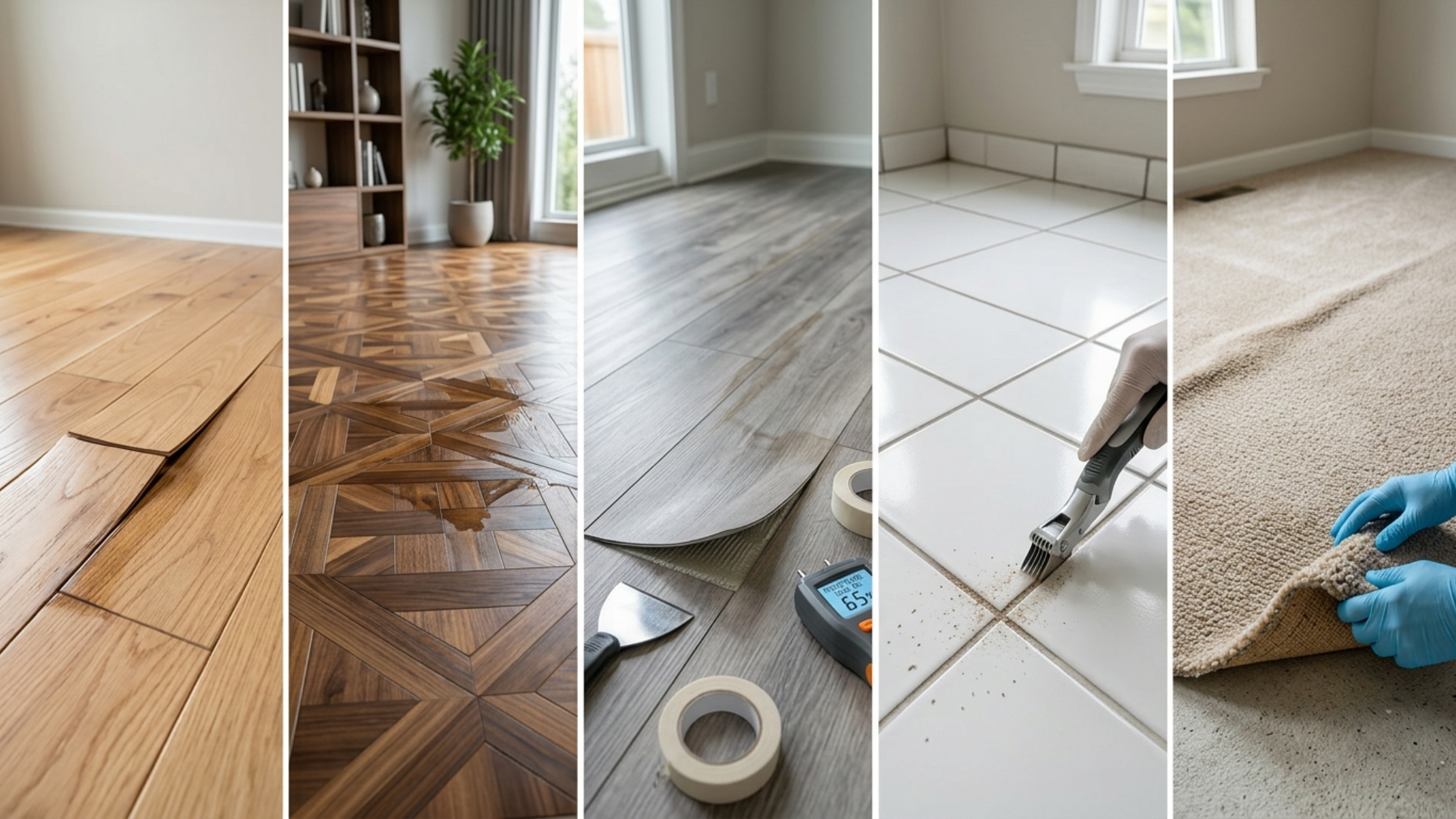
Hardwood is one of the most attractive flooring options, but it’s also one of the most sensitive to moisture. When water penetrates the wood, boards may begin to expand, cup, warp, or develop gaps as they dry unevenly.If the moisture is limited to a small section and addressed quickly, professional repairs may involve replacing only the affected boards while preserving the surrounding floor.
Laminate Flooring
Laminate flooring is designed to handle everyday use, but standing water can eventually reach the core of the planks. Once moisture penetrates beneath the protective surface, the boards may swell, lift, or separate.In many situations, replacing only the damaged planks is possible if the surrounding flooring remains in good condition.
Vinyl Plank Flooring
Luxury vinyl plank flooring generally performs well around moisture, but water can still create problems if it reaches the adhesive or subfloor beneath the flooring.Loose planks, lifting edges, or trapped moisture underneath the flooring often indicate that professional repairs are needed before the damage spreads further.
Tile Flooring
Tile itself is highly resistant to water, but moisture can still affect grout joints, adhesives, or the subfloor beneath the installation. Cracked grout, loose tiles, or hollow-sounding areas may indicate that water has reached areas that aren’t immediately visible.When addressed early, repairs often focus only on the affected section rather than replacing the entire floor.
Carpet
Carpet absorbs moisture more quickly than many hard flooring materials. If left untreated, water can affect the carpet fibers, padding, and subfloor while increasing the risk of mold or unpleasant odors.Professional drying and repairs may successfully restore the carpet if the water damage is identified before long-term deterioration occurs.
💡 Homeowner Tip
The sooner water damage is addressed, the greater the chance that repairs can restore your flooring without requiring a complete replacement.
Signs Your Floor May Have Water Damage
Water damage isn’t always immediately obvious. While major leaks are easy to recognize, slow moisture problems often develop gradually and become noticeable only after the flooring has already been affected.Knowing what to look for allows homeowners to take action before minor problems become much larger repairs.
Warped or Buckled Flooring
One of the most common signs of water damage is flooring that no longer lies flat. Hardwood boards may cup or warp, laminate planks may lift at the edges, and vinyl flooring may begin to ripple or separate.These changes often indicate that moisture has reached beneath the flooring surface.
Discoloration or Stains
Dark spots, fading, or unusual discoloration may suggest that water has been sitting beneath or within the flooring material. These changes can appear gradually and shouldn’t be ignored.
Soft or Spongy Areas
If parts of the floor feel soft, uneven, or unstable when walked on, moisture may have affected the flooring or the subfloor below it.This is especially important to investigate because structural damage can worsen if moisture remains trapped.
Musty Odors
Persistent damp or musty smells sometimes indicate hidden moisture beneath flooring materials. Even when the floor surface appears dry, water may still be present underneath.Professional inspections often identify these hidden moisture issues before they create larger problems.
Loose Flooring Materials
Water exposure can weaken adhesives and fasteners, causing tiles, vinyl planks, or laminate boards to loosen over time.Addressing these issues early often makes repairs much more manageable.
📌 Good to Know
Water damage doesn’t always begin with a major flood. Small plumbing leaks, appliance failures, or repeated moisture exposure can gradually damage flooring without immediately attracting attention.
Can Water-Damaged Floors Really Be Repaired?
The answer depends on the extent of the damage,not simply the fact that water was involved.Many homeowners are surprised to learn that professional flooring specialists don’t automatically recommend replacing an entire floor after water damage. Instead, they first determine whether the damage is localized or widespread.
If moisture has affected only a small section of flooring and the surrounding materials remain structurally sound, targeted repairs may provide an effective solution. This approach helps preserve the original flooring while reducing unnecessary demolition and replacement.
However, if water has remained trapped for an extended period, reached large portions of the floor, or significantly damaged the subfloor beneath, replacement may become the more practical long-term option.Every situation is different, which is why a thorough inspection is one of the most important steps in deciding how to move forward.
What Professionals Look for During an Inspection
Before recommending repair or replacement, flooring professionals carefully evaluate several important factors.
The Source of the Water
Identifying where the moisture came from helps determine whether the problem has been fully resolved or if additional repairs are needed to prevent future damage.
The Type of Flooring
Different flooring materials respond differently to moisture, influencing which repair methods are appropriate.
The Extent of the Damage
Professionals assess whether the damage is limited to a few boards or tiles, or whether it extends throughout larger areas of the floor.
The Condition of the Subfloor
Even if the visible flooring appears repairable, the subfloor underneath must also remain structurally sound. Moisture trapped below the surface can affect the long-term performance of the repaired flooring.
Moisture Levels
Professional moisture meters help determine whether hidden moisture remains beneath the flooring before repairs begin, reducing the risk of future problems.
When Is Floor Repair the Better Option?
Not every water-damaged floor needs to be removed and replaced. In many cases, professional repairs can successfully restore the affected area while preserving the rest of the flooring. The key is identifying the damage early before moisture has an opportunity to spread further.Here are some situations where floor water damage repair in St. Charles may be the most practical solution.
The Damage Is Limited to One Area
If water has only affected a small section of the floor, repairing or replacing the damaged boards, tiles, or planks is often enough to restore the flooring. This approach minimizes disruption and helps preserve flooring that remains in good condition.
The Subfloor Remains Structurally Sound
A professional inspection doesn’t stop at the visible flooring. If the subfloor beneath the damaged area is dry, stable, and free from structural damage, repairs are often a practical long-term solution.
The Moisture Source Has Been Fixed
Repairing the flooring without addressing the source of the water will likely result in the same problem returning. Once leaks, plumbing issues, or excess moisture have been resolved, repairing the damaged flooring becomes a much more effective option.
The Surrounding Flooring Is Still in Good Condition
When the rest of the floor remains stable and visually consistent, replacing only the affected section often restores both the appearance and functionality of the flooring without unnecessary replacement.
💡 Homeowner Tip
Water damage often looks worse than it actually is. A professional inspection can determine whether repairs are possible before assuming the entire floor needs to be replaced.
When Replacement May Be the Better Choice
Although many water-damaged floors can be repaired, there are situations where replacement becomes the safer and more practical long-term solution.
Widespread Moisture Damage
If water has spread across a large portion of the floor, localized repairs may not restore the flooring effectively. Replacing the affected area may provide a more consistent and reliable result.
Significant Subfloor Damage
When moisture has weakened the subfloor or caused structural deterioration, replacing both the damaged flooring and the affected subfloor may be necessary to restore a safe and stable surface.
Long-Term Water Exposure
Standing water that remains untreated for an extended period can cause extensive damage to flooring materials, adhesives, and underlying structures. In these situations, replacement may offer the best long-term solution.
Multiple Flooring Components Are Affected
If the flooring, underlayment, adhesives, and subfloor have all experienced significant moisture damage, replacing the affected section may be more effective than attempting multiple repairs.
How to Prevent Water Damage from Happening Again
While not every water-related issue can be prevented, a few simple habits can help protect your flooring and reduce the risk of future damage.
Clean Up Spills Promptly
Even small spills should be wiped up quickly before moisture has a chance to penetrate beneath the flooring.
Inspect Plumbing and Appliances Regularly
Check washing machines, dishwashers, refrigerators, sinks, and water supply lines for signs of leaks. Catching small issues early can prevent expensive flooring repairs later.
Maintain Indoor Humidity
Consistent humidity levels help reduce unnecessary expansion and contraction, especially for hardwood and laminate flooring.
Protect Moisture-Prone Areas
Using entry mats, area rugs near sinks, and proper ventilation in bathrooms and laundry rooms helps reduce daily moisture exposure.
Schedule Professional Inspections When Needed
If you notice unusual flooring changes after a leak or water incident, having the floor inspected promptly can help identify hidden moisture before additional damage develops.
📌 Good to Know
Hidden moisture isn’t always visible. Professional moisture testing helps detect water beneath the flooring before long-term damage becomes more serious.
Why Professional Water Damage Repair Matters
Water damage affects much more than the flooring surface. Moisture can travel beneath boards, loosen adhesives, weaken grout, and even compromise the subfloor without showing obvious signs immediately.Professional flooring specialists use specialized tools to measure moisture levels, locate hidden damage, and determine the most appropriate repair method based on the condition of the flooring. This thorough evaluation helps ensure repairs address both the visible damage and the underlying cause.
Choosing professional floor water damage repair in St. Charles gives homeowners confidence that repairs are completed correctly, helping restore both the appearance and long-term performance of their flooring.
Final Thoughts
Water damage doesn’t automatically mean your entire floor needs to be replaced. In many cases, early intervention and a professional assessment can identify repair options that restore the damaged area while preserving the rest of your flooring.
The most important step is addressing the source of the moisture and understanding how extensively the flooring has been affected. Every flooring material responds differently to water, which is why a thorough inspection is essential before deciding on the best solution. Taking action early can help reduce repair costs, protect your investment, and extend the life of your flooring.
Restore Your Floors with Professional Water Damage Repair
If you’ve noticed warped boards, lifting planks, loose tiles, soft spots, or other signs of moisture damage, S&S Floors is here to help. We provide professional floor water damage repair in St. Charles, carefully evaluating the condition of your flooring before recommending the most appropriate repair solution.
Whether your home has hardwood, laminate, vinyl plank, tile, or carpet, our experienced team is committed to restoring your floors with quality workmanship and honest recommendations.
Don’t let water damage get worse. Contact S&S Floors today to schedule a professional flooring inspection and learn whether your floor can be repaired before replacement becomes necessary.
Frequently Asked Questions
Can water-damaged flooring always be repaired?
Not always. Whether a floor can be repaired depends on the flooring material, how long the water has been present, the extent of the damage, and the condition of the subfloor.
Which flooring materials are most affected by water?
Hardwood and laminate flooring are generally more sensitive to prolonged moisture, while vinyl and tile typically offer greater water resistance. However, any flooring can experience damage if water reaches the subfloor or remains trapped beneath the surface.
How soon should water-damaged flooring be inspected?
As soon as possible. Prompt inspections improve the chances of repairing the flooring before moisture spreads or causes additional structural damage.
Can only part of the floor be replaced?
Yes. If the damage is isolated and the surrounding flooring remains in good condition, professionals can often repair or replace only the affected section instead of the entire floor.
How can I tell if moisture is trapped beneath my flooring?
Signs may include warped flooring, loose planks or tiles, soft spots, musty odors, discoloration, or flooring that feels uneven. A professional moisture inspection can confirm whether hidden water is present.