Choosing the Right Flooring for Your Home
Updating your flooring is one of the most noticeable improvements you can make to your home. The right flooring enhances your home’s appearance, supports your daily lifestyle, and adds long-term value. However, with so many options available, deciding which material best suits your space isn’t always easy.
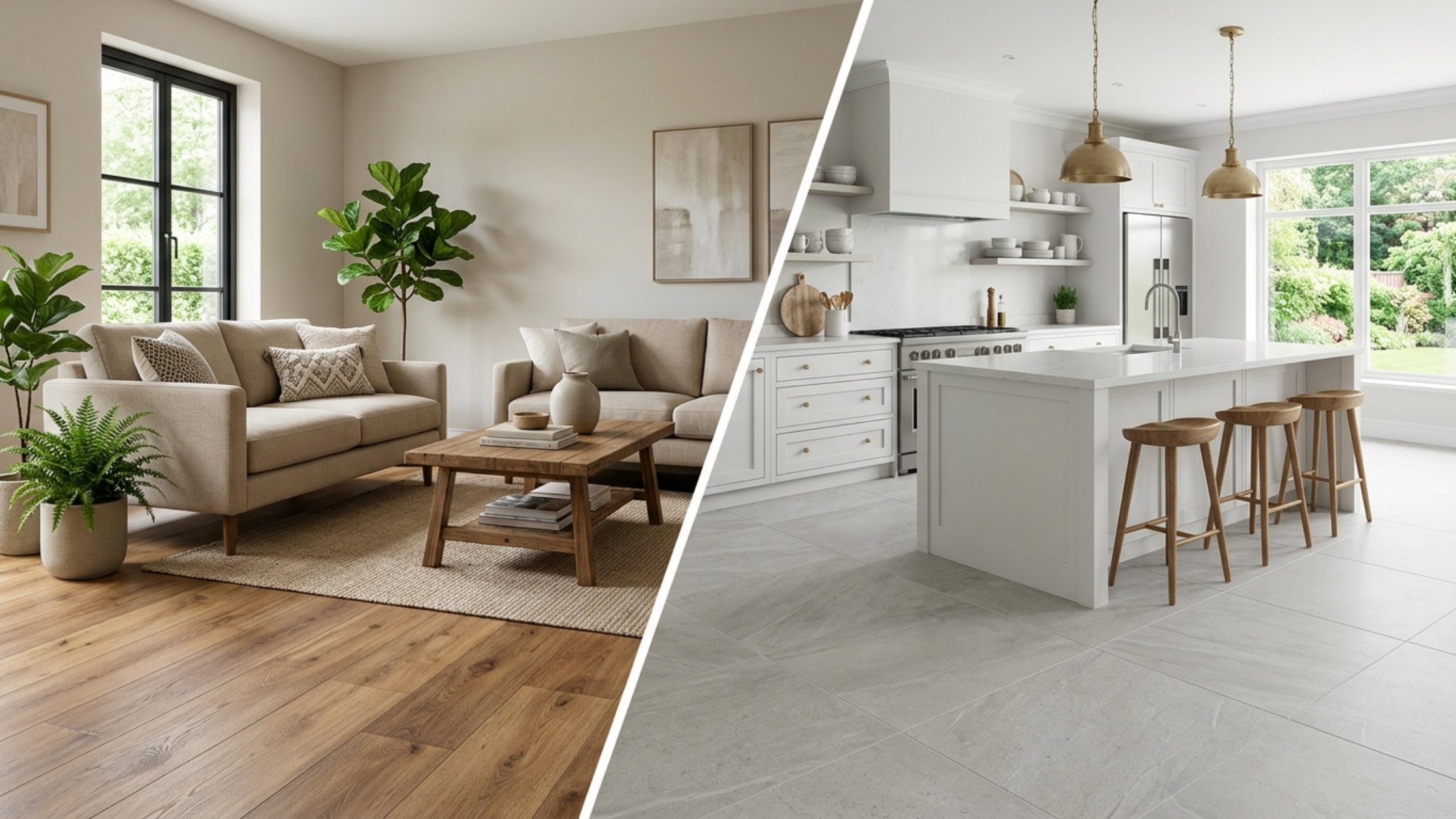
For many homeowners, the choice often comes down to laminate flooring and tile flooring in St. Charles. Both are popular options because they offer durability, attractive designs, and practical benefits for everyday living. While they may look similar at first glance, each performs differently depending on where it’s installed, how it’s used, and what you expect from your flooring over time.
Understanding the differences between laminate and tile flooring can help you make a more confident decision before starting your next flooring project. Rather than asking which flooring is better, it’s more helpful to consider which one is the better fit for your home’s layout, maintenance preferences, and lifestyle. This guide compares both flooring options so you can choose the solution that best meets your needs.
Why Comparing Flooring Options Matters
Selecting new flooring isn’t simply about choosing the style you like most. Every room in your home has different demands, and the flooring you choose should be able to handle those conditions while complementing your daily routine.A busy family room may benefit from flooring that feels warm and comfortable underfoot, while a bathroom or laundry room often requires a surface that can handle frequent moisture. Likewise, households with pets, children, or heavy foot traffic may prioritize durability and ease of maintenance over appearance alone.
Comparing laminate flooring and tile flooring in St. Charles allows homeowners to understand how each material performs in real-life situations. Looking beyond color and design makes it easier to select flooring that continues to look great and perform well for years to come.
💡 Homeowner Tip
The best flooring isn’t always the most expensive option. The right choice is the one that matches how each room is used every day.
Understanding Laminate Flooring
Before comparing the two flooring types, it’s helpful to understand what laminate flooring offers and where it performs best.Laminate flooring is made from multiple layers that work together to provide durability, stability, and an attractive appearance. Modern laminate products are designed to replicate the look of natural hardwood or stone while offering a surface that’s easy to maintain and well-suited for many areas of the home.
Its combination of style, affordability, and practical performance has made laminate flooring a popular choice for homeowners looking to refresh their living spaces without sacrificing visual appeal.
Where Laminate Flooring Works Best
Laminate flooring is commonly installed in areas such as:
- Living rooms
- Bedrooms
- Hallways
- Home offices
- Dining rooms
These spaces typically experience regular foot traffic while remaining relatively dry, making laminate an excellent choice for maintaining both comfort and appearance.
Benefits of Laminate Flooring
Many homeowners choose laminate flooring because it offers several practical advantages.
Realistic Wood Appearance
Modern manufacturing allows laminate flooring to closely resemble natural hardwood, giving homeowners the look they want with a wide variety of colors, textures, and finishes.
Comfortable Underfoot
Compared to harder flooring materials, laminate often provides a warmer and more comfortable feel, especially when installed with a quality underlayment.
Easy Maintenance
Routine sweeping and occasional damp cleaning are usually all that’s needed to keep laminate flooring looking its best. This makes it a practical option for busy households.
Suitable for Active Homes
Many laminate flooring products are designed to resist everyday scratches and wear, making them a dependable choice for homes with children and pets when properly maintained.
Understanding Tile Flooring
Tile flooring has remained one of the most trusted flooring options for decades because of its durability and versatility. Available in ceramic, porcelain, and other materials, tile offers a timeless appearance that works well in both traditional and modern homes.
Unlike laminate flooring, tile performs exceptionally well in areas where moisture is common. Its durable surface makes it suitable for rooms that require frequent cleaning or experience regular exposure to water.
Where Tile Flooring Works Best
Tile flooring is commonly installed in:
- Kitchens
- Bathrooms
- Laundry rooms
- Entryways
- Mudrooms
These spaces benefit from tile’s ability to withstand moisture while maintaining its appearance over time.
Benefits of Tile Flooring
One of laminate flooring’s biggest advantages is its versatility.Whether your home features a modern, farmhouse, traditional, or contemporary design, laminate flooring is available in a wide range of wood-look finishes that blend naturally with different interiors.
Excellent Moisture Resistance
One of tile flooring’s greatest advantages is its ability to handle water exposure, making it ideal for rooms where spills and humidity are part of everyday life.
Long-Term Durability
When properly installed and maintained, tile flooring can provide dependable performance for many years, even in areas that experience heavy foot traffic.
Wide Range of Design Options
Today’s tile flooring is available in countless colors, sizes, patterns, and finishes. Whether you prefer a classic look or a contemporary style, there are options to complement nearly every home’s design.
Easy to Clean
Tile flooring is simple to maintain with regular sweeping and mopping, making it a practical solution for households looking for a low-maintenance flooring option.
Laminate Flooring vs. Tile Flooring: Comparing the Key Differences
Now that we’ve looked at each flooring type individually, it’s easier to compare how they perform in everyday situations. Rather than declaring one flooring option better than the other, it’s more useful to understand which material offers the greatest benefits for your specific needs.
Appearance and Design
Both laminate and tile flooring offer a wide variety of attractive designs, allowing homeowners to create a style that complements their home’s interior.Laminate flooring is often chosen by homeowners who want the warm, natural appearance of hardwood without installing solid wood flooring. Modern laminate products feature realistic wood grain textures and a wide selection of finishes that suit both traditional and contemporary spaces.
Tile flooring, on the other hand, offers exceptional design flexibility. From classic ceramic patterns to large-format porcelain tiles and stone-inspired finishes, tile can create a wide range of looks for kitchens, bathrooms, entryways, and other living areas.While both flooring options provide attractive design choices, the better option depends on the overall style you’re hoping to achieve in your home.
Comfort Underfoot
Comfort is another important consideration, especially in rooms where you spend a lot of time standing or walking.Laminate flooring generally feels warmer and slightly softer underfoot because it’s installed with an underlayment that provides a small amount of cushioning. This can make it more comfortable in living rooms, bedrooms, and other everyday living spaces.
Tile flooring has a firmer surface and naturally feels cooler, which many homeowners appreciate during warmer months. Depending on the room and your personal preference, this characteristic may be viewed as either an advantage or a disadvantage.
📌 Good to Know
Flooring isn’t a one-size-fits-all decision. Many homeowners choose different flooring materials for different rooms, selecting each based on how the space is used rather than trying to use the same flooring throughout the entire home.
Durability for Everyday Living
When choosing new flooring, durability is often one of the first things homeowners consider. Both laminate and tile flooring are designed to handle daily use, but they perform differently depending on the environment and the type of wear they experience.
Laminate Flooring
Modern laminate flooring is built with a durable wear layer that helps resist everyday scratches, scuffs, and fading. It performs well in living rooms, bedrooms, hallways, and other spaces with regular foot traffic. Many homeowners appreciate its ability to withstand active households with children and pets when properly maintained.
However, laminate can be more vulnerable to excessive moisture. If water remains on the surface for long periods or seeps between the planks, it may cause swelling or damage that requires professional repair or replacement.
Tile Flooring
Tile flooring is known for its exceptional durability. Ceramic and porcelain tiles are highly resistant to scratches, dents, and everyday wear, making them an excellent option for areas that experience frequent use.
Although tile itself is extremely durable, heavy impacts can occasionally crack or chip individual tiles. Fortunately, when damage is limited to a small area, professional tile repair can often restore the floor without replacing the entire installation.
💡 Homeowner Tip
Durability isn’t just about choosing a strong flooring material. Proper installation and routine maintenance play an important role in how well your flooring performs over time.
Moisture Resistance
One of the biggest differences between laminate flooring and tile flooring is how each responds to moisture.
Laminate Flooring
Many newer laminate products offer improved water resistance, but they are still best suited for areas where moisture exposure is limited. Promptly cleaning up spills and following the manufacturer’s care recommendations helps protect the flooring and extend its lifespan.
Tile Flooring
Tile naturally handles moisture better than laminate, making it a preferred option for bathrooms, laundry rooms, kitchens, and other areas where water exposure is common. When installed correctly with properly sealed grout, tile provides a durable surface that performs well in moisture-prone environments.Rather than asking which material is better overall, homeowners should consider how much moisture each room is likely to experience before making a decision.
Maintenance and Everyday Care
Both flooring options are relatively easy to maintain, although the cleaning methods differ slightly.
Caring for Laminate Flooring
Laminate flooring stays looking its best with regular sweeping or vacuuming and occasional damp mopping using manufacturer-approved cleaning products. Excessive water and harsh cleaners should be avoided to help protect the flooring.
Caring for Tile Flooring
Tile flooring also requires routine sweeping and mopping. In addition, grout lines may occasionally benefit from professional cleaning or sealing to maintain their appearance and help protect against staining.Both flooring types can provide years of dependable performance when cared for properly.
Which Rooms Are Best for Each Flooring?
Every room in your home serves a different purpose, so it’s common for homeowners to choose more than one flooring material throughout the house.
Laminate Flooring Is Often a Great Choice For:
- Living rooms
- Bedrooms
- Dining rooms
- Home offices
- Hallways
These areas benefit from laminate’s warm appearance and comfortable feel underfoot.
Tile Flooring Is Often a Great Choice For:
- Bathrooms
- Kitchens
- Laundry rooms
- Entryways
- Mudrooms
These spaces often experience higher levels of moisture, making tile a practical and long-lasting solution.Choosing flooring based on how each room is used can help create a home that is both functional and visually appealing.
How to Decide Between Laminate Flooring and Tile Flooring
There’s no single flooring option that’s right for every home. The best choice depends on your lifestyle, design preferences, and how each room is used.Laminate flooring may be the better fit if you want:
- The appearance of hardwood flooring
- A warmer, more comfortable surface
- An attractive flooring option for dry living spaces
- Easy day-to-day maintenance
Tile flooring may be the better choice if you want:
- Excellent moisture resistance
- A durable surface for busy areas
- A wide variety of styles and patterns
- Flooring designed for kitchens, bathrooms, or entryways
If you’re still unsure, speaking with an experienced flooring professional can help you compare materials and choose the option that best fits your home and long-term goals.
Final Thoughts
Choosing between laminate flooring and tile flooring in St. Charles isn’t about finding a universally better option, it’s about selecting the flooring that best fits your home’s needs. Both materials offer attractive designs, dependable performance, and long-term value when installed and maintained properly.
Before making a decision, consider how each room is used, your maintenance preferences, and the overall look you want to achieve. Taking these factors into account will help you invest in flooring that complements your lifestyle while enhancing the comfort and beauty of your home for years to come.
Find the Right Flooring Solution for Your Home
Whether you’re planning to install new laminate flooring or considering tile for moisture-prone areas, choosing the right material is an important investment. At S&S Floors, we help homeowners compare flooring options and provide professional installation and repair services tailored to their home’s unique needs.
Our experienced team takes the time to understand your goals, answer your questions, and recommend flooring solutions that combine style, durability, and long-term performance.
Ready to upgrade your floors? Contact S&S Floors today to schedule a consultation and discover whether laminate flooring or tile flooring is the right choice for your St. Charles home.
Frequently Asked Questions
Is laminate flooring or tile flooring better for St. Charles homes?
Both are excellent choices. Laminate flooring works well in dry living areas, while tile flooring is often preferred in rooms where moisture is more common. The best option depends on your home’s layout and daily lifestyle.
Which flooring is easier to maintain?
Both flooring types are relatively easy to maintain. Laminate requires regular sweeping and careful cleaning with minimal moisture, while tile is cleaned with routine sweeping and mopping. Grout lines may occasionally require additional maintenance.
Can damaged laminate flooring be repaired?
Yes. Depending on the type and extent of the damage, individual laminate planks can often be repaired or replaced without replacing the entire floor.
Can cracked floor tiles be replaced?
In many cases, yes. If the surrounding flooring remains in good condition, a professional can often replace a damaged tile without removing the entire floor.
Should I use the same flooring throughout my home?
Not necessarily. Many homeowners combine different flooring materials throughout their home, selecting each one based on the specific needs of each room.