Not All Hardwood Floor Damage Looks the Same
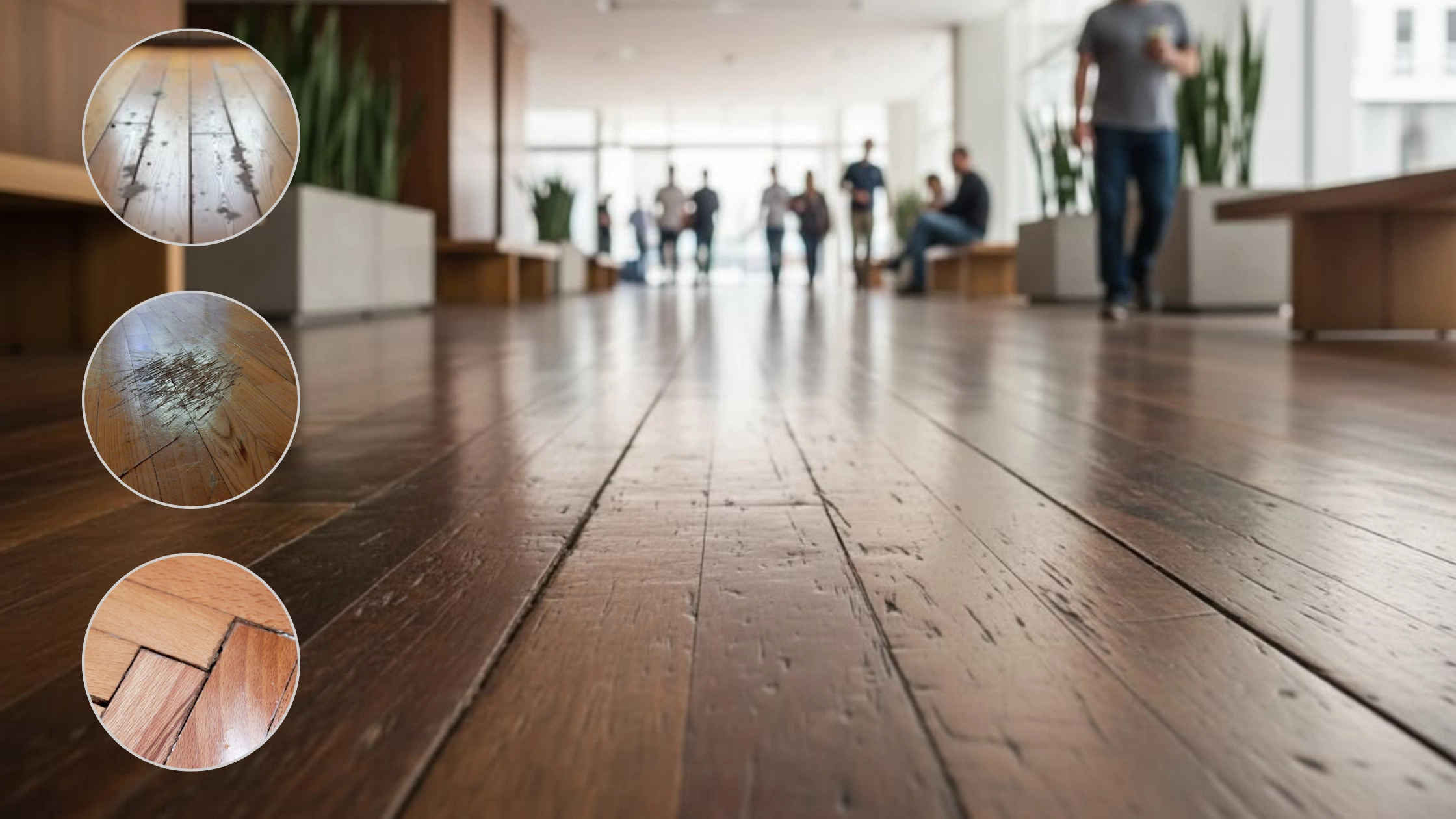
Hardwood floors can change gradually as they experience foot traffic, furniture movement, moisture, temperature changes, and everyday use. Some changes are mainly cosmetic, while others can point to a problem that needs attention.
A few surface scratches may be expected in a busy household. Gaps between boards, noticeable movement, or warped sections can be more concerning because they may involve conditions beneath or around the flooring.
For homeowners considering hardwood flooring in St. Peters, knowing what different types of damage look like can make it easier to decide when normal wear can be monitored and when professional evaluation may be worthwhile.
Scratches: When Surface Wear Becomes Noticeable
Scratches are among the most common signs of hardwood floor wear. They can develop from:
- Furniture being dragged across the floor
- Pet claws
- Grit and debris brought indoors
- High foot traffic
- Moving heavy objects
- Everyday activity
Not every scratch means the floor needs repair. Light surface marks may simply be part of normal aging. Deeper scratches deserve more attention, particularly when they cut through the finish and expose the wood underneath.
When Should Scratches Be Evaluated?
Look more closely if you notice:
- Deep grooves in the boards
- Multiple scratches concentrated in one area
- Exposed unfinished wood
- Splintering around damaged sections
- Scratches that continue to worsen
The appropriate solution depends on the depth and extent of the damage. Some surface issues may be addressed through refinishing or other treatments, while severely damaged boards may require more extensive work.
Gaps Between Hardwood Boards
Small changes between hardwood boards can occur as wood responds to changes in its environment.Seasonal humidity changes can cause hardwood to expand and contract. However, large, persistent, or repeatedly returning gaps deserve closer attention.Possible contributing factors include:
- Seasonal movement
- Indoor humidity changes
- Improper installation
- Aging materials
- Subfloor conditions
- Moisture-related issues
The size and pattern of the gaps can provide useful clues. For example, small seasonal gaps may behave differently from large separations that continue getting wider or appear alongside movement or damaged boards.
When Are Hardwood Floor Gaps a Concern?
A gap may deserve professional attention when it:
- Continues getting larger
- Appears in multiple areas
- Returns after previous repairs
- Occurs alongside squeaking or movement
- Is accompanied by warped boards
- Appears after a moisture event
Rather than simply filling a visible gap, it is useful to understand why the separation occurred in the first place. If the underlying condition remains unchanged, the same problem may return.
Warped Hardwood Flooring Can Signal a Bigger Problem
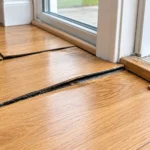
Warping is different from ordinary surface wear.You may notice boards that appear raised, curved, uneven, or distorted compared with the surrounding flooring.Moisture is one possible cause, but it is not the only one.Warping can be associated with:
- Water leaks
- Excess moisture
- Improper installation
- Inadequate expansion space
- Subfloor problems
- Changes in environmental conditions
The location of the warped boards can also provide clues about what happened.For example, damage near an exterior doorway or plumbing fixture may warrant a different investigation than warping that appears across a larger area.
Cupping and Crowning: Two Different Patterns
Not all warped hardwood looks the same.
Cupping
Cupping occurs when the edges of a board rise higher than its center, creating a slightly concave appearance across the width of the plank.Moisture imbalance is one possible cause.
Crowning
Crowning is essentially the opposite pattern, where the center of the board sits higher than its edges.It can occur after moisture conditions change or after a previously cupped floor dries unevenly.Understanding the pattern can help professionals investigate what may have happened rather than treating every uneven board as the same problem.
What About Boards That Feel Loose?
A hardwood floor can look relatively normal while still feeling different underfoot.You may notice:
- Slight movement when walking
- Boards shifting under pressure
- Squeaking
- Clicking sounds
- Areas that feel less stable than surrounding flooring
Movement can have several possible causes, including installation issues, subfloor movement, or damaged boards.If a specific section feels unstable, it is worth having the area assessed rather than assuming the movement is simply part of an older floor.
Discoloration Can Also Be a Warning Sign
Changes in color may be cosmetic, but they can sometimes indicate a deeper problem.Discoloration can result from:
- Sun exposure
- Furniture covering the floor for long periods
- Spills
- Water exposure
- Aging finishes
- Previous repairs
A darker or lighter area does not automatically mean the wood is damaged.However, discoloration accompanied by swelling, warping, softness, or an unusual odor may warrant closer inspection.
Why Location Matters When Assessing Hardwood Damage
The location of the damage can sometimes help identify possible causes.
Near exterior doors
Dirt, moisture, temperature changes, and repeated foot traffic can affect flooring around entrances.
In kitchens
Spills, appliance leaks, and frequent cleaning can expose hardwood to moisture.
In hallways
Repeated foot traffic can lead to more noticeable surface wear and scratches.
Near windows
Direct sunlight can gradually change the appearance of the finish and wood.
Around plumbing fixtures
Leaks or repeated moisture exposure may affect the boards and the surface beneath them. Looking at where the damage occurs can therefore be just as useful as looking at what the damage looks like.
Can Hardwood Floor Damage Be Repaired?
In many situations, the answer depends on the extent and cause of the damage.Localized problems may sometimes be addressed without replacing the entire floor.Possible repair approaches can include:
- Treating surface damage
- Repairing individual boards
- Addressing localized gaps
- Correcting certain installation-related problems
- Replacing severely damaged sections
- Addressing moisture-related concerns before repairing the flooring
The surrounding boards and the condition of the underlying surface also need to be considered. If you’re noticing several of these problems, reviewing the available hardwood repair options for your home can help you understand what type of work may be appropriate.
When Does Hardwood Flooring Need More Than a Simple Repair?
Some damage is too extensive for a small localized repair. More extensive work may need to be considered when:
- Numerous boards are damaged
- Warping affects a large area
- Moisture has affected the flooring extensively
- Boards are repeatedly failing in the same location
- The underlying surface is unstable
- The existing wood has significant deterioration
This does not automatically mean the entire floor needs replacement. The condition of the flooring as a whole should be assessed before making that decision.
Why the Subfloor Should Not Be Overlooked
Hardwood flooring is only one part of the overall floor system.The surface underneath can influence how the boards sit and perform.An uneven or unstable subfloor may contribute to:
- Movement
- Squeaking
- Uneven areas
- Gaps
- Repeated board damage
- Premature wear
If a hardwood floor continues developing the same problem after repair, the cause may not be limited to the visible boards.Looking at the underlying conditions can help prevent the same issue from returning.
What St. Peters Homeowners Can Do to Reduce Hardwood Floor Damage
Regular maintenance cannot prevent every type of damage, but several simple habits can reduce unnecessary wear.
Keep Grit and Dirt Under Control
Small particles can act like abrasives under shoes and gradually affect the finish.
Use Appropriate Furniture Protection
Pads beneath furniture legs can reduce scratching and pressure marks.
Clean Carefully
Avoid excessive moisture and use cleaning methods appropriate for the specific hardwood flooring.
Address Spills Quickly
Standing moisture can create unnecessary exposure for wood flooring.
Watch for Early Changes
A new gap, squeak, raised board, or unusual discoloration is easier to investigate when noticed early.
Repair or Replace? Start With the Actual Condition
It can be tempting to assume that an older or damaged hardwood floor needs complete replacement.
That is not always the case.A floor with a few damaged boards may have very different repair possibilities from a floor with widespread moisture damage or severe deterioration. Before making a replacement decision, consider:
- How extensive is the damage?
- Is the problem localized?
- Is the flooring still stable?
- Has moisture been involved?
- Are the same problems appearing repeatedly?
- Is the underlying surface in good condition?
These questions can help you approach the decision based on the actual condition of the flooring rather than appearance alone.
When Should You Have Your Hardwood Floor Assessed?
Consider professional evaluation if you notice changes that continue to worsen or return. An assessment may be useful when you see:
- Deep or spreading scratches
- Persistent gaps
- Warped boards
- Loose flooring
- Repeated squeaking
- Moisture-related discoloration
- Movement underfoot
- Multiple types of damage appearing together
A professional can look at the visible damage and consider possible contributing factors before recommending a repair approach. If you are unsure what your hardwood floor needs, you can discuss the condition of your flooring with a local repair professional before deciding on a larger project.
Look Beyond the Visible Damage
Scratches, gaps, warping, discoloration, and movement can all tell you something different about the condition of a hardwood floor.Some changes are simply part of normal aging. Others may indicate moisture exposure, installation concerns, subfloor movement, or damage that could become more difficult to address over time.For homeowners with hardwood flooring in St. Peters, understanding these differences can make it easier to recognize when a floor needs attention and when a minor change can simply be monitored.
Instead of assuming that every damaged floor needs replacement, start by identifying the type, location, and extent of the problem. A proper assessment can help determine whether localized repair, refinishing, board replacement, or more extensive flooring work is appropriate.
Frequently Asked Questions
What are the most common types of hardwood floor damage?
Common problems include scratches, gaps, dents, discoloration, warped boards, loose flooring, and moisture-related damage.
Are small gaps between hardwood boards normal?
Small seasonal gaps can occur as hardwood responds to changes in humidity. Large, persistent, or repeatedly returning gaps may require closer evaluation.
What causes hardwood floors to warp?
Moisture is one possible cause, but installation conditions, expansion space, subfloor issues, and environmental changes can also contribute.
Can scratched hardwood floors be repaired?
The appropriate solution depends on the depth and extent of the scratches. Some surface damage may be treatable, while deeper damage may require board-level repair or replacement.
Does warped hardwood flooring always need to be replaced?
Not necessarily. The appropriate approach depends on the extent of the warping, its cause, and the condition of the affected boards and underlying surface.
Why does my hardwood floor move when I walk on it?
Movement can result from installation issues, subfloor conditions, loose boards, or other factors. A professional assessment can help identify the likely cause.
Can moisture damage hardwood flooring?
Yes. Excessive or prolonged moisture can contribute to discoloration, gaps, cupping, crowning, warping, and other flooring problems.
When should I call a hardwood floor repair professional?
Consider an evaluation when damage is worsening, repeatedly returning, affecting multiple boards, or accompanied by movement, moisture, or warping.