Not Every Change Means Your Floor Is Damaged
Vinyl laminate flooring is designed to handle everyday activity, but no floor stays exactly the same forever. Foot traffic, furniture, spills, sunlight, cleaning, and general use can gradually change its appearance.The challenge is knowing whether those changes are simply signs of normal wear or indications that something needs attention. A few light scratches may not be a reason to replace the floor. A plank that is lifting, separating, or showing signs of moisture damage is a different situation.
For O’Fallon homeowners, understanding the difference can help prevent unnecessary replacement while also making it easier to recognize problems before they spread. Knowing how your vinyl laminate flooring normally looks and performs can make these changes easier to identify early.
What Counts as Normal Wear?
Normal wear generally develops gradually as the flooring is used. Common examples include:
- Light surface scratches
- Minor scuff marks
- Slight changes in finish
- Fading in areas exposed to sunlight
- Small areas of surface wear in high-traffic paths
- Minor marks from furniture or everyday activity
These changes do not necessarily mean the flooring has failed.A busy hallway, kitchen, or living room will naturally show more signs of use than a room that receives little foot traffic. The important factor is whether the change affects the appearance only or whether it is affecting the structure and performance of the flooring.
When Is a Scratch More Than a Scratch?
Not every scratch requires professional attention. A shallow surface mark may simply be part of normal use. Deeper scratches, however, can expose underlying layers and make the affected plank more vulnerable to additional damage. Pay attention if you notice:
- Deep grooves
- Exposed material beneath the surface
- Cracking around the damaged area
- Multiple scratches concentrated in one location
- Damage that continues spreading
A heavily damaged individual plank may sometimes be replaced without disturbing the entire floor. If you are unsure whether the damage is repairable, reviewing vinyl plank flooring repair options can help you understand what may be possible before considering full replacement.
Are Gaps Between Planks Normal?
Small changes between flooring planks can have different causes. If you notice a new gap, consider whether it is:
- Isolated to one plank
- Appearing across several areas
- Getting larger over time
- Associated with movement
- Accompanied by lifted edges
A visible separation may result from installation issues, movement beneath the floor, moisture, or damage to the plank connection.A recurring gap should not automatically be treated as ordinary wear. If the problem keeps returning, a flooring professional may need to look beyond the visible gap and inspect the surrounding installation.
What About Lifting or Buckling?
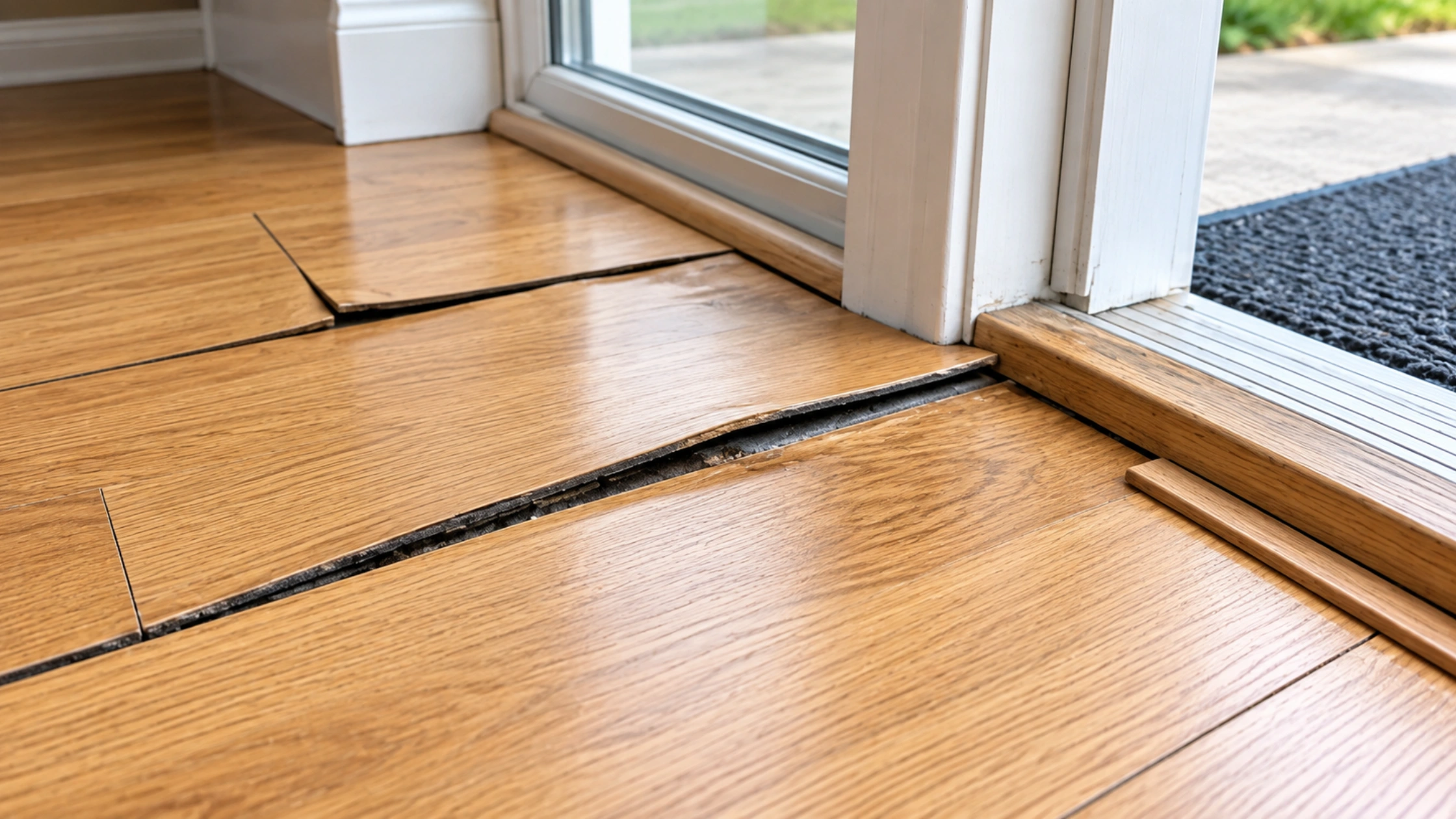
Lifting edges and buckled planks are different from normal surface wear.When a plank no longer sits flat, there may be an underlying reason that needs attention.Possible contributing factors include:
- Moisture exposure
- Subfloor irregularities
- Improper installation
- Insufficient expansion space
- Movement underneath the flooring
- Damage to the plank or locking system
If the flooring is visibly changing shape, it is worth determining why before attempting to push the plank back into place.This is where professional flooring repair may be more appropriate than trying to correct the visible problem yourself.
Moisture Can Change the Situation
Spills and occasional moisture exposure are part of everyday life, particularly in kitchens, entryways, and other busy areas.However, repeated or prolonged moisture exposure can create more serious flooring problems.Look for signs such as:
- Swollen or distorted edges
- Discoloration
- Separation between planks
- Soft or unstable areas
- Persistent lifting
- Changes in the shape of individual planks
If these symptoms appeared after a leak, appliance problem, or significant spill, the source of the moisture should be addressed as well as the visible flooring damage.For more extensive flooring concerns, an inspection can help determine whether the problem is limited to the flooring or involves the surface underneath.
Does Furniture Damage Mean You Need New Flooring?
Heavy furniture can leave marks, dents, or impressions in flooring.Whether this is normal wear or actual damage depends on the severity.For example, a small surface mark caused by furniture movement may be cosmetic. A cracked plank or damaged edge is more significant.When moving furniture, lifting rather than dragging it can help reduce unnecessary stress on the flooring.Using appropriate furniture pads can also help protect high-use areas.
How Sunlight Can Change Your Floor
Natural light can gradually affect flooring appearance.Areas exposed to direct sunlight for long periods may look different from sections covered by furniture or rugs.You may notice:
- Fading
- Differences in shade
- Uneven appearance between exposed and covered areas
This does not necessarily mean the flooring is damaged.However, significant color differences can become more noticeable when furniture is moved or a rug is removed.When evaluating the overall condition of your floor, it helps to distinguish appearance changes from problems affecting the flooring’s stability.
Why High-Traffic Areas Show Wear First
Some parts of a home naturally experience more activity than others.Entryways, hallways, kitchens, and living areas often receive repeated foot traffic throughout the day.Over time, these areas may show more:
- Scuffing
- Scratches
- Surface wear
- Dirt buildup
- Minor finish changes
This type of wear can be expected.The bigger concern is when high-traffic areas begin showing structural problems such as loose planks, separation, cracking, or movement.
If several flooring areas throughout your home are showing signs of wear, it may be useful to review your flooring repair and restoration services rather than treating each problem separately.
How to Tell the Difference Between Wear and Damage
A simple way to evaluate the flooring is to look at appearance, movement, and function.
Mostly cosmetic changes may include:
- Light scratches
- Minor scuffs
- Gradual fading
- Small surface marks
Signs that may require closer attention include:
- Planks lifting
- Persistent gaps
- Cracked boards
- Significant dents
- Loose flooring
- Moisture-related changes
- Movement underfoot
- Damaged locking edges
The difference is important because cosmetic wear may not require repair, while structural or moisture-related problems can worsen if ignored.
What Should You Check Before Replacing the Floor?
Replacing an entire floor can be a major project, so it makes sense to understand the condition of the existing flooring first. Before deciding on replacement, consider:
How widespread is the damage?
A single damaged plank is very different from problems across multiple rooms.
Is the damage superficial?
Surface wear may not require replacing the flooring.
Is the flooring moving?
Movement can point toward installation or subfloor concerns.
Has moisture been involved?
Water exposure can change the repair decision.
Can the damaged plank be replaced?
Localized damage may sometimes be addressed without replacing the entire floor.
Is the underlying surface stable?
A flooring problem may return if the surface beneath it is contributing to the issue.
If you are considering a larger flooring project, discussing the condition of your existing floor with a professional can help you understand the available options.
When Can Vinyl Laminate Flooring Be Repaired?
Repair can make sense when damage is limited and the surrounding floor remains in good condition. Depending on the situation, repair may involve:
- Replacing an individual plank
- Correcting a localized installation issue
- Addressing damaged edges
- Fixing movement in a specific area
- Examining the subfloor beneath the affected section
The exact approach depends on the flooring product and the cause of the problem.
If the flooring is otherwise in good condition, localized repair may be worth considering before full replacement. You can review the available flooring repair services to see how different types of flooring problems may be addressed.
When Does Replacement Make More Sense?
Repair is not always the practical option.Replacement may need to be considered when damage is widespread or the flooring has experienced significant deterioration. Examples include:
- Extensive moisture damage
- Multiple severely damaged planks
- Widespread buckling
- Significant deterioration
- Flooring that is no longer structurally stable
- Difficult-to-match discontinued materials
The condition of the surrounding flooring should also be considered when deciding how much of the floor needs to be replaced. When replacement becomes a possibility, looking at completed flooring projects can help you explore different materials, patterns, and finished results.
Why the Subfloor Matters
The flooring you see is only one part of the installation.The surface beneath it can affect how the planks sit, connect, and perform over time.An uneven or damaged subfloor may contribute to:
- Movement
- Uneven areas
- Separation
- Repeated plank damage
- Lifting
- Premature wear
If the same problem keeps returning after a repair, the cause may be beneath the visible flooring.This is one reason a professional evaluation can be useful before deciding on a larger flooring project.
What O’Fallon Homeowners Can Do to Protect Their Flooring
Regular care can help reduce unnecessary wear.
Clean According to the Product Requirements
Avoid excessive water and use cleaning methods recommended for the specific flooring.
Address Spills Promptly
Do not allow moisture to remain on the floor longer than necessary.
Protect High-Traffic Areas
Entry mats and appropriate floor protection can reduce the amount of dirt and debris brought onto the flooring.
Use Furniture Protection
Furniture pads can help reduce scratches and marks from heavy pieces.
Pay Attention to Small Changes
A new gap, lifted edge, or unusual movement is easier to evaluate when noticed early.
A Damaged Plank Does Not Always Mean a Damaged Floor
One of the most important things homeowners can understand is that one damaged plank does not automatically mean the entire floor needs to be replaced.If the surrounding flooring is stable and the problem is localized, repair or individual plank replacement may be possible.On the other hand, several damaged areas may indicate a larger installation, moisture, or subfloor problem.
Looking at the extent and cause of the damage can help determine the appropriate next step.If you are unsure what your flooring needs, contacting a flooring professional for an assessment can help you avoid making a replacement decision based only on appearance.
When Should You Have the Flooring Inspected?
Consider having the flooring evaluated if you notice changes that continue to worsen.An inspection may be worthwhile when:
- Planks are separating
- Flooring feels unstable
- Edges are lifting
- Cracks are spreading
- Moisture has affected the area
- The same repair keeps failing
- Multiple areas are showing similar problems
A professional can examine the visible flooring as well as possible contributing conditions underneath. If you are ready to discuss a flooring concern, you can contact the flooring team to explain what you are seeing and determine the next step.
Know the Difference Before You Replace
Vinyl laminate flooring is designed for everyday living, so some scratches, scuffs, fading, and surface changes are to be expected.The more important question is whether the floor is still functioning properly.Persistent gaps, lifting, buckling, movement, cracking, and moisture-related changes deserve more attention than ordinary surface wear.For O’Fallon homeowners, understanding the difference between normal wear and actual flooring damage can make it easier to decide when simple maintenance is enough and when repair or replacement should be considered.
Frequently Asked Questions
How long does vinyl laminate flooring typically last?
Its lifespan depends on the product, installation, traffic, maintenance, moisture exposure, and overall use. Proper care can help maintain its appearance and performance.
Are scratches on vinyl laminate flooring normal?
Light scratches and scuff marks can occur with everyday use. Deep scratches that expose underlying material may require closer attention.
Why are my vinyl laminate planks separating?
Separation can have several causes, including installation issues, movement beneath the floor, moisture, or damaged plank connections.
Can one damaged plank be replaced?
In some installations, an individual damaged plank can be replaced without replacing the entire floor. The availability of matching material and the installation method can affect the repair.
Does water damage vinyl laminate flooring?
Prolonged or excessive moisture can damage flooring and may affect the planks or the surface underneath. Spills and leaks should be addressed promptly.
How can I tell if my floor needs repair or replacement?
Consider the extent of the damage, whether the flooring remains stable, whether moisture is involved, and whether the problem is limited to a few planks or affects larger areas.
Can an uneven subfloor damage vinyl laminate flooring?
Yes. An uneven or unstable surface underneath the flooring can contribute to movement, separation, uneven areas, and premature wear.
Is fading from sunlight considered flooring damage?
Gradual fading from sunlight is generally an appearance change rather than structural damage. However, significant fading may become noticeable when furniture or rugs are moved.