
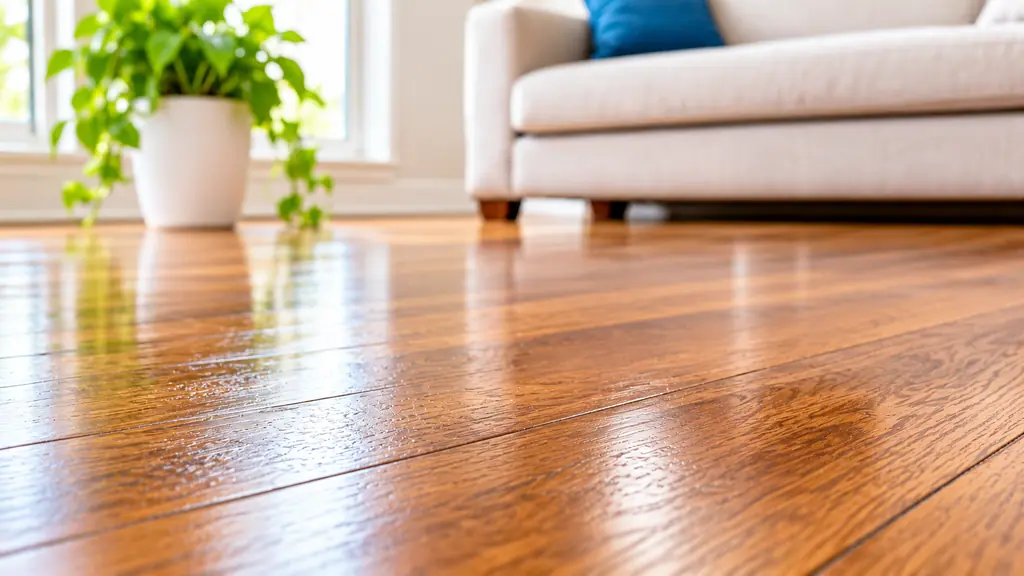
Why Does One Part of Your Hardwood Floor Feel Different?
Hardwood floors are known for their natural appearance and durability, but their surfaces can change with everyday use. You might notice that one section feels smooth while another feels rough, uneven, or slightly raised when you walk across it. These changes are not always easy to identify by looking at the floor. A surface may appear normal from a distance but feel noticeably different under your feet.
Rough hardwood floors can develop because of several factors, including finish deterioration, moisture exposure, scratches, dirt buildup, and changes in the wood itself. The cause matters because a cleaning issue requires a different solution from damaged wood or a failing protective finish.
Before attempting to sand or refinish the affected area, it helps to understand what may be happening beneath the surface.
Common Reasons Hardwood Floors Feel Rough in Certain Areas
Hardwood does not necessarily wear evenly throughout a home. Some sections experience more foot traffic, furniture movement, sunlight, or moisture exposure than others. Here are some common reasons certain areas begin feeling rough.
1. The Protective Finish Has Started Wearing Away
Hardwood floors usually have a protective finish that helps guard the wood against everyday wear, scratches, and spills. Over time, this coating can become thinner or deteriorate in frequently used areas. When the finish wears down, the surface may begin feeling less smooth.
You might notice:
- Dull patches in busy areas
- A rough texture near doorways
- Uneven shine across the floor
- Areas where the wood appears more exposed
- Changes in texture after cleaning
If the protective coating has worn away, ordinary cleaning may not restore the original smoothness. Depending on the condition of the existing finish, recoating or refinishing may be worth considering.
2. Dirt and Grit Have Built Up on the Surface
Small particles of dirt, sand, and debris can collect on hardwood floors throughout the day. When these particles are repeatedly walked across, they can contribute to surface scratches and a rougher feel. Dirt may also accumulate in small gaps, along board edges, and in textured areas.
This is especially common near:
- Exterior entrances
- Hallways
- Kitchen walkways
- Frequently used living spaces
- Areas where shoes are worn indoors
Regular sweeping and cleaning with a hardwood-approved product can help remove abrasive particles. However, if the roughness remains after cleaning, the surface may already have sustained wear or finish damage.
3. Moisture Has Affected the Wood
Wood naturally responds to changes in moisture. When hardwood absorbs excess moisture, it can expand and sometimes develop surface changes. Depending on the extent of exposure, you may notice:
- Raised board edges
- Uneven surfaces
- Slightly swollen sections
- Changes in the texture of the wood
- Discoloration around affected areas
Moisture may come from spills, leaks, wet footwear, excessive cleaning water, or other sources.
If a particular area feels rough and also appears raised or swollen, avoid sanding it immediately. The source of moisture should be identified and the floor should be evaluated before any surface repair is attempted.
4. Scratches Have Changed the Surface Texture
Scratches do more than affect how hardwood looks. Deeper marks can change how the surface feels. Furniture movement, pet claws, grit, and dropped objects can all leave scratches. Some marks affect only the protective coating, while deeper ones reach the wood itself.
Run your hand gently over the affected area. If you can feel grooves, rough edges, or small indentations, the damage may extend beyond the finish.
Minor surface marks may need limited attention, while deeper scratches could require professional repair or refinishing.
5. Previous Cleaning Products Have Left Residue
Sometimes, roughness is not caused by damage to the wood at all. Certain cleaning products can leave residue when they are applied too heavily or are not suitable for the existing hardwood finish. Over time, this buildup may make sections feel sticky, cloudy, or uneven. Using furniture polish, wax, or products intended for other flooring materials can also affect the surface.
Before applying another cleaning solution, check the manufacturer’s care instructions for your floor. Using additional products without identifying the residue can make the problem harder to correct.
6. The Wood Has Developed Small Splinters or Raised Fibers
In some situations, the roughness comes from the wood itself rather than the finish. Moisture changes, physical damage, aging, and surface deterioration can contribute to raised wood fibers or small splinters.
These areas may feel noticeably rough when touched or walked over barefoot.
Do not try to remove raised fibers with aggressive scrubbing. If the wood is splintering or separating, a professional inspection can help determine whether localized repair or more extensive refinishing is necessary.
Why Does Roughness Appear Only in Certain Areas?
If the entire floor is not affected, the location of the rough spots can provide useful clues.
Near Doorways and Entrances
Entrances often collect dirt, sand, and moisture from shoes. Repeated foot traffic can gradually wear the protective finish and create visible or noticeable surface changes.
Along Hallways
Hallways receive repeated traffic throughout the day. The finish may wear faster in these areas than in rooms that are used less frequently.
Around Kitchen Areas
Kitchen floors are more likely to experience spills, cleaning moisture, and dropped objects. These conditions can affect both the finish and the wood.
Near Windows
Sunlight can contribute to changes in the appearance of hardwood over time. Differences in exposure may make certain areas look different from the surrounding floor, although sunlight alone does not necessarily explain a rough texture.
Beneath Furniture
Furniture can trap dust and debris, while moving heavy pieces may scratch the finish. Areas around furniture legs may also experience pressure or localized damage.
Understanding where the roughness appears can help narrow down the possible cause.
Can Cleaning Fix Rough Hardwood Floors?
Sometimes, yes. If the rough feeling comes from surface dirt or product residue, appropriate cleaning may improve the texture. Start by removing loose dust and debris with a soft broom or a suitable dust mop. Then use a cleaning product recommended for the specific hardwood finish.
Avoid:
- Excessive water
- Steam cleaners
- Abrasive scrubbers
- Harsh household chemicals
- Unapproved waxes or polishes
- Scraping the surface to remove rough spots
If the floor still feels rough after suitable cleaning, the issue may involve the protective coating or the wood itself.
Cleaning can remove surface contaminants, but it cannot repair a worn finish, deep scratches, or moisture-damaged boards.
When Does Hardwood Floor Refinishing Become Necessary?
Refinishing may be an option when roughness is caused by widespread finish deterioration or deeper surface damage. The process generally involves preparing the existing floor, addressing the damaged surface, and applying a suitable new finish. However, not every hardwood floor can be refinished in the same way.
The appropriate method depends on:
- Whether the floor is solid or engineered hardwood
- The thickness of the remaining wood layer
- The condition of the existing finish
- The depth of scratches and surface damage
- Whether moisture has affected the boards
Some floors may be suitable for a maintenance coat or recoat, while others may need more extensive sanding and refinishing.
A professional assessment can help establish which option is appropriate without removing more material than necessary.
Can Rough Hardwood Floors Be Repaired Without Refinishing the Entire Room?
In certain situations, yes. If the roughness is limited to a small area, a localized repair may be possible. The appropriate method depends on whether the problem affects the finish, the wood, or the condition of an individual board.
Possible repair options include:
- Cleaning and removing suitable surface residue
- Touching up minor finish damage
- Repairing isolated scratches
- Addressing damaged boards
- Recoating suitable existing finishes
- Replacing severely damaged sections
One challenge with localized repairs is achieving a consistent appearance. Differences in wood color, finish, sheen, and age can make a repaired area stand out. The surrounding floor should therefore be considered before choosing a repair method.
Why You Shouldn't Sand Rough Spots Without Identifying the Cause
Sanding may seem like an easy way to smooth a rough section, but it is not always the right first step. If the problem comes from dirt or residue, sanding would be unnecessary. If moisture has caused the wood to swell, sanding before the floor has stabilized may lead to additional problems. Aggressive sanding can also remove too much of the protective finish or wood surface.
Before attempting a repair, determine:
- Is the roughness on top of the finish?
- Does the affected area contain deep scratches?
- Are the board edges raised?
- Has the floor recently been exposed to moisture?
- Is the problem limited to one board or spread across several areas?
Identifying the cause helps prevent an unnecessary repair from creating a larger flooring problem.
Simple Ways to Protect Hardwood Floors From Roughness
Regular maintenance can help reduce surface wear and protect the finish.
Keep Dirt and Grit Under Control
Sweep or dust-mop regularly, especially near entrances and high-traffic areas.
Use Suitable Cleaning Products
Choose products recommended for your particular hardwood finish. Avoid experimenting with harsh or abrasive cleaners.
Protect Furniture Contact Points
Place felt pads beneath furniture legs and check them regularly for trapped dirt or wear.
Clean Spills Promptly
Wipe up spills instead of allowing moisture to remain on the floor.
Avoid Dragging Heavy Objects
Lift furniture when possible or use suitable moving equipment to reduce scratching.
Pay Attention to Early Changes
If one area begins feeling rough, inspect it before the damage becomes more extensive.
These habits cannot prevent every type of hardwood damage, but they can help maintain the surface and reduce unnecessary wear.
When Should You Contact a Hardwood Flooring Professional?
A rough patch does not automatically mean your hardwood floor needs to be replaced. However, professional advice can be useful when the surface continues changing or the cause is unclear.
Consider having the floor evaluated if you notice:
- Rough areas that remain after cleaning
- Peeling or flaking finish
- Deep scratches or gouges
- Raised wood fibers or splinters
- Swollen or uneven boards
- Discoloration following moisture exposure
- Several areas with different surface textures
For homeowners dealing with rough hardwood floors, a professional evaluation can help identify whether the problem requires cleaning, a localized repair, recoating, refinishing, or board replacement.
Address Rough Hardwood Floors Before the Damage Spreads
A rough section of hardwood may seem like a minor inconvenience, but it can be a sign that something has changed in the flooring surface. Worn finishes, scratches, moisture exposure, residue, and raised wood fibers can all affect how the floor feels.
The important step is to identify the cause instead of immediately reaching for sanding equipment or another cleaning product.
For homeowners with rough hardwood floors, the right solution may be as simple as correcting a cleaning issue or may involve a more detailed repair. If the finish or wood has been damaged, a professional evaluation can help determine whether localized repair, recoating, or refinishing is the better option.
Frequently Asked Questions
Why do my hardwood floors feel rough in certain spots?
Roughness may result from worn protective finish, dirt buildup, scratches, moisture exposure, residue from cleaning products, or raised wood fibers. The location and appearance of the affected area can help identify the cause.
Can rough hardwood floors be made smooth again?
Often, yes. The solution depends on the condition of the wood and its finish. Cleaning may help with residue, while damaged finishes or scratched wood may require repair or refinishing.
Does rough hardwood always mean the finish is damaged?
No. Dirt, cleaning residue, raised wood fibers, and physical damage can also affect the surface texture. The cause should be identified before choosing a treatment.
Can moisture make hardwood floors feel rough?
Yes. Moisture can cause wood to expand, swell, or develop raised areas. The source of the moisture should be addressed before attempting surface repairs.
Should I sand a rough area on my hardwood floor?
Not without identifying the cause first. Sanding may be unnecessary for dirt or residue and can create further damage if the wood is affected by moisture or the finish is otherwise unsuitable for sanding.
Can only one rough section of hardwood be repaired?
Sometimes. Localized repairs may be possible when the damage is limited to a small area. Matching the existing wood color and finish can affect the final appearance.
How can I prevent hardwood floors from becoming rough?
Regular dust removal, suitable cleaning products, prompt spill cleanup, furniture protection, and careful movement of heavy objects can help reduce unnecessary surface damage.