
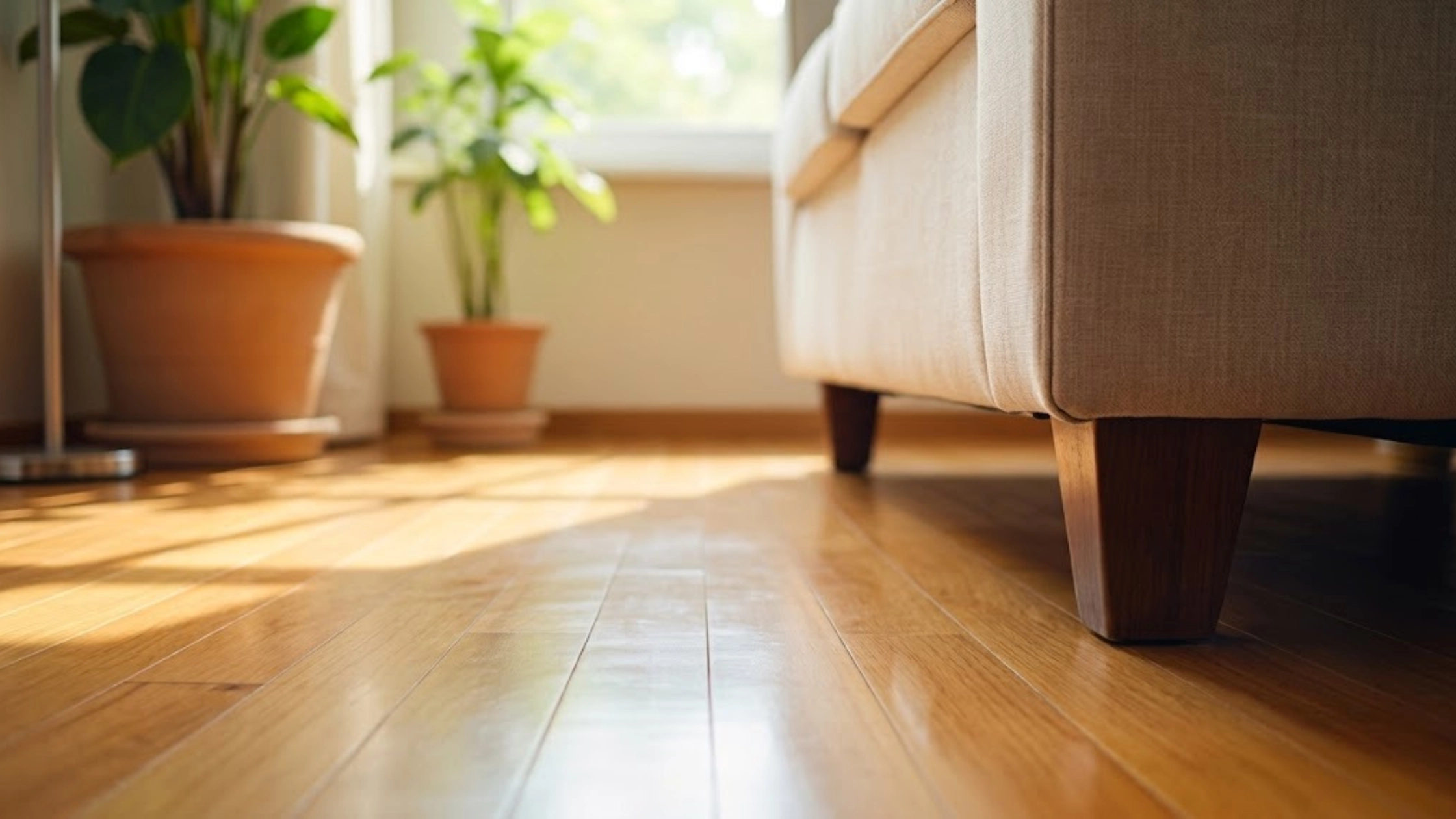
Can Heavy Furniture Really Damage Laminate Flooring?
Laminate flooring is designed to handle everyday activity, but that does not mean it is completely unaffected by heavy furniture.A large sofa, bed, cabinet, dining table, or other piece of furniture can place considerable pressure on a small area of flooring. Moving that furniture can create a different type of stress, particularly when it is dragged instead of lifted.
For homeowners with laminate flooring in St. Peters, MO, understanding how furniture affects the floor can help prevent avoidable damage and make it easier to recognize problems before they become more serious.The good news is that heavy furniture does not automatically mean laminate flooring will be damaged. Much depends on the weight, furniture design, flooring quality, installation, and how the furniture is positioned or moved.
What Kind of Damage Can Heavy Furniture Cause?
Furniture can affect laminate flooring in several ways. Not every problem will appear immediately.
Dents and Indentations
Heavy furniture can place continuous pressure on a small section of a plank.Over time, this pressure may leave visible indentations, particularly if the furniture has small or narrow feet that concentrate the weight.The risk can be greater when heavy furniture remains in the same position for a long period.
Scratches From Movement
Dragging furniture across laminate can scratch the surface.Even furniture that does not seem particularly heavy can cause damage when its legs, wheels, or base collect dirt and are pulled across the floor.Small particles underneath furniture can act like abrasive material against the flooring surface.
Plank Movement
Furniture does not only affect the visible surface.When heavy items are moved across a floating laminate floor, the pressure and movement can affect the way individual planks sit together.In some situations, this may contribute to movement, gaps, or changes around plank joints.
Damage Around Furniture Legs
Furniture with narrow legs can concentrate weight on very small areas.Instead of distributing the load across a larger section of flooring, the pressure is focused on specific points.This is one reason furniture pads and protective supports can be useful.
Why Moving Furniture Can Be More Problematic Than Leaving It
A heavy piece of furniture sitting in one place creates continuous pressure.Moving it creates pressure plus friction.When furniture is dragged, the legs or base move directly against the flooring. This can produce scratches, scuff marks, and surface damage.Dragging can also put stress on the connections between laminate planks.For this reason, the method used to move furniture can be just as important as the furniture’s weight.
Lift when possible. Don’t drag.
For especially heavy pieces, use appropriate moving equipment or get assistance rather than trying to pull the item across the floor.
Which Furniture Pieces Deserve Extra Attention?
Not all furniture creates the same level of risk.
Large Sofas and Sectionals
Large sofas can place substantial weight on a relatively small number of legs or support points.If the furniture remains in the same position for years, those contact points deserve attention.
Beds
Beds can be heavy, especially when combined with mattresses, storage systems, and other items.Moving a bed across the floor can also create scratches if the frame legs are dragged.
Cabinets and Storage Units
Tall cabinets, bookcases, and storage units can become extremely heavy once filled.Their weight may remain concentrated in a few small contact points.
Dining Tables
Dining tables may not seem particularly heavy when empty, but the weight increases when chairs, dishes, appliances, or other objects are regularly moved around them.
Appliances and Large Units
Certain appliances and large household units require extra care because of their weight and the difficulty of moving them safely. Before moving one across laminate flooring, the flooring surface and manufacturer’s recommendations should be considered.
Does Furniture Weight Always Mean Damage?
No.The weight of a piece of furniture alone does not determine whether laminate flooring will be damaged.Other factors matter as well, including:
- The quality and construction of the laminate
- The size of the furniture’s contact points
- Whether protective pads are used
- How the furniture is moved
- The condition of the flooring
- The quality of the original installation
- The condition of the surface underneath
A heavy sofa with broad, properly protected feet may place less concentrated pressure on the flooring than a lighter item with very narrow legs.The way weight is distributed matters.
Why Furniture Pads Can Help
Furniture pads provide a simple way to reduce direct contact between furniture and the laminate surface.They can help distribute pressure and reduce the chance of scratches when furniture shifts slightly during normal use.Choose pads that are appropriate for the furniture and flooring. They should remain securely positioned rather than sliding underneath the furniture.
For chairs and other furniture that move frequently, protective pads can be particularly useful.
What About Furniture With Wheels?
Wheeled furniture requires some additional care.Small wheels can concentrate weight into limited contact areas. Dirt or debris trapped around the wheels can also scratch the surface as the furniture moves.If wheeled furniture is used regularly, inspect the wheels and surrounding flooring periodically.Avoid forcing furniture across the floor if a wheel becomes stuck or obstructed.
Can Heavy Furniture Cause Laminate Planks to Separate?
It can contribute to flooring movement in certain situations, but furniture is not always the underlying cause.Laminate plank separation can also be associated with installation conditions, subfloor movement, expansion requirements, moisture, or other factors.If gaps appear after moving heavy furniture, do not automatically assume the furniture caused the entire problem.
Instead, look at when the gaps appeared, where they are located, and whether other areas of the floor are also showing movement.A professional flooring assessment can help identify whether the issue is related to the furniture, installation, or another underlying condition.
What If the Floor Already Has a Dent?
The next step depends on the severity and type of damage.A light surface mark may require a different approach from a deep indentation or damaged plank.Before attempting a repair, identify whether the problem affects:
Only the surface:
Minor marks may sometimes be addressed with an appropriate repair product.
The decorative layer:
Deeper scratches may require more specialized repair.
The plank itself:
If the board is cracked, badly damaged, swollen, or structurally compromised, replacement may be more appropriate.
Not every damaged laminate plank needs the entire floor replaced.
Can One Damaged Plank Be Replaced?
In some cases, yes.Individual plank replacement may be possible depending on the flooring system, location of the damaged plank, installation method, and availability of matching material.However, finding an exact match can become difficult as flooring gets older.
The replacement plank may differ slightly in color or appearance because of aging, manufacturing changes, or natural wear on the surrounding floor.This is another reason it can be helpful to keep leftover material from the original installation.
What Should You Do Before Moving Heavy Furniture?
A little preparation can make a significant difference.
Clear the Path
Remove small objects, rugs, and debris from the route before moving furniture.
Check the Furniture
Look underneath the furniture for damaged feet, exposed screws, rough edges, or trapped dirt.
Protect the Flooring
Use appropriate furniture pads, sliders, or other suitable protective equipment.
Lift When Possible
Avoid dragging heavy furniture directly across the laminate surface.
Get Help With Large Items
For particularly heavy pieces, having additional people or appropriate moving equipment can reduce the risk of both flooring damage and personal injury.
What If You Need to Rearrange Your Room Frequently?
Furniture that moves regularly deserves more attention than furniture that stays in one position.Dining chairs, office chairs, stools, and lightweight tables can create repeated friction across the same areas.Over time, repeated movement can produce more wear than a heavy item that simply remains stationary.
If furniture is moved frequently, inspect the contact points and keep them clean.Small protective measures can help reduce repeated surface stress.
Signs Your Laminate Floor May Need Attention
Furniture-related damage does not always appear as an obvious scratch.Watch for changes such as:
- New gaps between planks
- Visible indentations
- Scratches around furniture legs
- Raised plank edges
- Areas that feel different underfoot
- Unusual movement
- New clicking or popping sounds
- Surface damage around frequently moved furniture
A single mark may not indicate a major flooring problem.However, repeated changes or movement are worth investigating.
When Should You Consider Professional Laminate Floor Repair?
Professional help may be worthwhile when damage goes beyond a minor cosmetic mark.Consider an evaluation if you notice:
- A cracked or severely damaged plank
- Multiple damaged boards
- Planks separating after furniture movement
- Raised or lifting edges
- Persistent movement
- Damage that continues to worsen
- Moisture-related changes near furniture
- Uncertainty about whether individual planks can be repaired
A flooring professional can examine the affected area and determine whether repair, plank replacement, or another solution is appropriate.
How to Protect Laminate Flooring From Furniture Damage
Preventing damage is usually easier than repairing it later.Keep these habits in mind:
Use protective pads:
Place suitable pads beneath furniture legs and other contact points.
Keep surfaces clean:
Dirt and grit can increase scratching when furniture moves.
Don’t drag furniture:
Lift or use suitable moving equipment when repositioning heavy pieces.
Check furniture feet:
Replace damaged or rough feet that could scratch the floor.
Move carefully:
Avoid sudden pulling or pushing that can put unnecessary stress on the flooring.
Keep spare planks:
Store matching material for possible future repairs.
A Quick Furniture-and-Flooring Check
Before moving a heavy piece of furniture, take a moment to check:
| Check | Why It Matters |
|---|---|
| Furniture weight | Helps determine how much pressure may be placed on the floor |
| Leg or wheel design | Small contact points can concentrate pressure |
| Floor condition | Existing damage may become worse during movement |
| Dirt or debris | Can scratch the surface during movement |
| Protective pads | Help reduce direct contact |
| Moving method | Dragging increases friction and stress |
| Replacement material | Spare planks can help with future repairs |
This simple check can prevent an avoidable flooring problem.
Heavy Furniture Doesn't Have to Mean Damaged Flooring
Laminate flooring is designed for everyday household use, but heavy furniture should still be handled carefully.The greatest risk often comes not simply from the weight of the furniture, but from concentrated pressure, rough contact points, dirt underneath furniture, and dragging during movement.For homeowners with laminate flooring in St. Peters, MO, simple precautions such as using protective pads, keeping furniture feet clean, and lifting rather than dragging can help protect the floor.
If damage has already occurred, the right solution depends on what has actually been affected. A surface scratch may require a different approach from a damaged plank or separated flooring.Understanding the type of damage before attempting a repair can help prevent a small issue from becoming a larger flooring problem.
Protect Your Flooring Before Damage Becomes a Repair
Heavy furniture is a normal part of everyday life, but how that furniture sits and moves on laminate flooring can affect its condition over time.Using protective pads, keeping contact points clean, and moving furniture carefully can reduce unnecessary wear. When damage does occur, identifying the cause and extent of the problem is the first step toward choosing the right repair.
If your laminate flooring in St. Peters, MO has developed scratches, dents, gaps, movement, or damaged planks after furniture was placed or moved, a professional flooring service can help determine the most appropriate solution.
Frequently Asked Questions
Can heavy furniture dent laminate flooring?
Heavy furniture can sometimes leave indentations, particularly when its weight is concentrated on small contact points. The risk depends on the flooring and furniture design.
Is it safe to put heavy furniture on laminate flooring?
In most normal household situations, laminate flooring can support furniture when installed correctly and used according to the manufacturer’s recommendations. Proper weight distribution and protective pads can help reduce potential damage.
Can dragging furniture scratch laminate flooring?
Yes. Dragging furniture can scratch the surface, especially when dirt or debris is trapped beneath furniture legs or wheels.
Can furniture cause laminate planks to move?
Furniture movement can contribute to stress on laminate flooring, but plank movement may also have other causes related to installation, moisture, subfloor conditions, or expansion requirements.
Should I use furniture pads on laminate flooring?
Suitable furniture pads can help reduce direct contact and distribute pressure between furniture and the flooring surface.
Can a damaged laminate plank be replaced?
Depending on the flooring system, installation method, plank location, and material availability, an individual damaged plank may sometimes be replaced without replacing the entire floor.
Should I repair a small dent in laminate flooring?
The appropriate repair depends on the depth and type of damage. Minor surface damage may be treated differently from a deeply damaged or structurally compromised plank.
What should I do before moving a heavy sofa on laminate flooring?
Clear the path, inspect the furniture feet, remove debris, use suitable protective equipment, and avoid dragging the sofa directly across the floor.