Understanding Soft or Spongy Vinyl Flooring
Vinyl plank flooring is popular for its attractive appearance, practical maintenance, and comfortable feel. However, if the floor begins to feel soft, spongy, or slightly bouncy when you walk across it, something may be affecting the flooring or the surface beneath it.
A little flexibility is not always a sign of serious damage. The concern arises when certain areas feel noticeably softer than others, the floor moves under pressure, or the sensation becomes more pronounced over time.
Understanding why vinyl plank flooring feels spongy can help you identify the possible cause and decide whether the floor needs closer inspection. In some cases, the issue may involve the subfloor, underlayment, installation method, or damaged locking joints rather than the vinyl planks themselves.
What Does Spongy Vinyl Plank Flooring Feel Like?
Soft or spongy flooring can feel different depending on what is causing the problem. You might notice a slight bounce when stepping on a plank, a cushioned sensation in one section of the room, or movement that was not present when the flooring was first installed. Common signs include:
- Certain planks dipping slightly when you walk over them
- A soft or springy feeling in specific areas
- Clicking, popping, or unusual noises underfoot
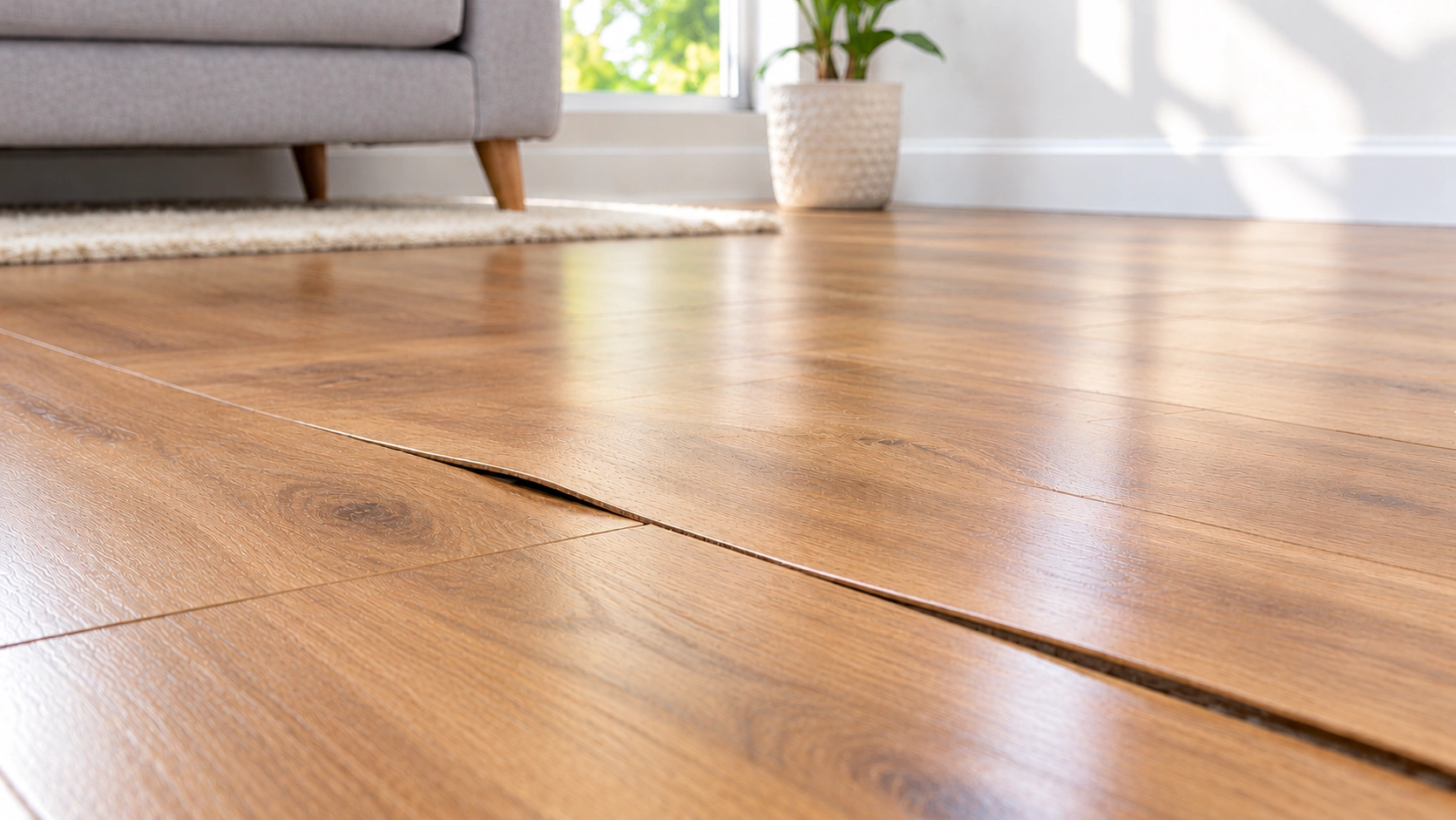
- Visible gaps developing between planks
- Joints separating or edges lifting
- Flooring that moves when furniture or foot traffic puts pressure on it
Pay attention to whether the sensation occurs throughout the room or is limited to one area. A widespread problem may point to a different cause than a single soft spot near a doorway or along a wall.
1. An Uneven Subfloor Beneath the Vinyl Planks
One of the most common reasons vinyl plank flooring feels spongy is an uneven or inadequately prepared subfloor. Vinyl planks need a suitable surface underneath them. If the subfloor has dips, raised areas, loose sections, or other irregularities, the flooring may not receive consistent support. As you walk across the affected area, the planks can flex or move instead of remaining firmly supported.
This problem can occur when flooring is installed over an existing surface without properly addressing its condition. Even small imperfections may affect certain types of vinyl plank flooring, depending on the product and installation requirements.When uneven surfaces or damaged supporting materials affect the floor, exploring suitable flooring repair services can help identify the work needed before the planks are reinstalled.
Why does the subfloor matter?
When a plank bridges a low spot, pressure from footsteps can cause it to flex. Repeated movement may put additional stress on the locking joints and contribute to gaps or damaged edges. Simply replacing a soft plank may not resolve the problem if the uneven surface beneath it remains unchanged.
Before repairing the visible flooring, the underlying surface should be evaluated to determine whether leveling or another form of preparation is necessary.
2. A Damaged or Deteriorating Subfloor
Sometimes the problem is not an uneven surface but a subfloor that has weakened or deteriorated. Wood-based subfloors can become damaged by moisture, leaks, or prolonged exposure to damp conditions. Depending on the material and extent of the damage, sections may swell, soften, or lose their ability to provide stable support.
Concrete subfloors can also present problems when moisture conditions are not properly addressed or when the surface has cracks or other defects that affect the installation.
Signs that the subfloor may need attention
Look for soft areas that remain noticeable, changes in floor height, musty odors, or signs of previous water damage. These clues do not confirm a subfloor problem on their own, but they indicate that the area deserves further evaluation. If the floor feels spongy near a kitchen appliance, bathroom entrance, exterior door, or plumbing fixture, moisture should be considered as one possible cause.
The appropriate repair depends on what is found underneath the vinyl. In some situations, the subfloor may need to be repaired or replaced before the flooring can be reinstalled.
3. Moisture Beneath the Flooring
Moisture can affect the materials beneath vinyl plank flooring, particularly when water reaches a wood-based subfloor or becomes trapped in an installation that is not designed for those conditions. A small plumbing leak, water intrusion, appliance leak, or spill that reaches the edges or joints may go unnoticed for some time. The surface can continue to look relatively normal while the supporting material underneath begins to deteriorate.
Vinyl flooring products vary in their water resistance, but a water-resistant plank does not automatically make the entire floor assembly waterproof. Seams, edges, transitions, and the underlying structure still matter.
What should you check?
Consider whether the soft area is close to a water source or whether the problem appeared after a leak, cleaning incident, or other moisture exposure. Do not assume that drying the surface will solve the issue. If water has affected the subfloor, the source needs to be identified and the damaged material assessed before repairs are completed.
Addressing moisture early can help prevent a relatively small flooring concern from developing into a larger repair project.
4. The Wrong Underlayment or Too Much Cushioning
Underlayment can play an important role in vinyl plank installation, but using the wrong type or adding an unapproved layer can affect how the flooring feels. Some vinyl plank products have an attached backing or cushioning layer. Others require a particular underlayment, while certain products must be installed directly over a properly prepared surface.
Adding extra padding without checking the manufacturer’s instructions may allow too much movement beneath the planks. This can place stress on the locking system, particularly when the flooring is walked on repeatedly.
Why more cushioning is not always better
Underlayment is not simply intended to make a hard floor feel softer. It must be compatible with the flooring product and provide the type of support specified by the manufacturer. If vinyl planks were installed over an unsuitable underlayment, the solution may involve correcting the installation rather than replacing only the affected boards.
Always check the product’s installation guidelines before adding, removing, or changing an underlayment layer.
5. Improper Installation or Poorly Fitted Planks
Vinyl plank flooring relies on the correct installation method to remain stable. If the planks were not fitted properly, the floor may move, flex, or develop gaps over time. Potential installation issues include inadequate subfloor preparation, incorrectly engaged locking joints, unsuitable underlayment, and failure to follow the product’s requirements for expansion and room conditions.
These problems can be difficult to identify from the surface alone. A floor may look fine immediately after installation but begin to show movement as people walk across it or furniture places pressure on particular areas.
Can installation problems cause long-term damage?
They can. Repeated flexing may put stress on plank edges and locking joints. Over time, this may lead to separation, chipped joints, lifting, or other visible problems.
If the flooring is relatively new and has developed a soft or bouncy feel, it is worth reviewing the original installation details and checking whether the product was installed according to its specifications.
6. Loose Locking Joints or Damaged Planks
Many floating vinyl plank floors use a locking system that connects individual boards without permanently attaching each plank to the subfloor. When the joints are properly engaged and the floor has adequate support, the planks should remain stable during normal use. However, damaged locking edges, poorly connected joints, or excessive movement underneath the flooring can affect that stability.
A plank may feel loose, shift slightly underfoot, or produce a clicking sound as pressure is applied.The cause is not always a defective plank. The locking joint may have been damaged by movement caused by an uneven subfloor or an unsuitable installation layer.
Replacing an individual plank may be possible when the damage is localized and matching material is available. However, the underlying cause should be addressed first to reduce the chance of the same problem returning.
7. Heavy Furniture and Repeated Pressure
Heavy furniture can place concentrated pressure on vinyl plank flooring. Properly installed flooring should generally accommodate normal household use, but excessive loads or movement over an inadequately supported area may contribute to damage.
Rolling chairs, heavy cabinets, large appliances, and frequently moved furniture can also put repeated stress on certain sections. If a soft spot appears beneath a heavy piece of furniture, check whether the flooring has visible indentation, separated joints, or signs of movement. Avoid dragging heavy objects across the surface while investigating the problem.
Furniture pressure is only one possible explanation. If the floor feels soft even when the furniture is removed, the subfloor, underlayment, or installation should also be considered.
How to Tell Whether the Problem Is Localized or Widespread
The location and pattern of the soft spots can offer useful clues about what may be happening beneath the floor.
One soft spot: A localized issue may involve a small subfloor defect, damaged plank, or isolated installation problem.
Several soft areas: Multiple soft spots may indicate broader unevenness, an underlayment issue, or a problem affecting a larger section of the subfloor.
Softness near a water source: Moisture damage is one possibility, particularly if there are other signs of a leak or dampness.
Movement along plank joints: Separated or damaged locking joints may be contributing to the sensation, although movement underneath the flooring can also affect the joints.
A floor that has gradually become softer: Changes over time may warrant checking for moisture, deterioration, or repeated movement.
These patterns can help guide an inspection, but they cannot identify the exact cause with certainty. The flooring and its supporting surface may need to be examined before deciding on the right repair.
Can You Fix Spongy Vinyl Plank Flooring Yourself?
The answer depends on the cause and the type of installation. If the issue involves a small, accessible section of floating flooring, an experienced DIY homeowner may be able to inspect the area and identify an obvious installation concern. However, soft flooring can also indicate a problem that is not visible from above.
Avoid trying to force a plank flat, inject materials beneath it, or add cushioning without understanding how the floor was installed. These approaches may not correct the underlying problem and could make a later repair more difficult.
If moisture is suspected, locate and address the source before reinstalling flooring. If the subfloor is damaged, it may require repair before the vinyl planks can be properly supported. For floors with persistent movement, damaged joints, or several soft areas, a professional assessment can help determine which parts need attention.
What Does Professional Vinyl Plank Flooring Repair Involve?
A suitable repair begins with identifying why the floor feels soft rather than immediately replacing the visible plank. Depending on the situation, an inspection may involve checking the affected area, examining plank joints, reviewing the installation method, and evaluating the condition of the supporting surface where accessible. The repair may include one or more of the following steps:
- Identifying the cause: Determine whether the problem relates to the subfloor, moisture, underlayment, installation, or damaged planks.
- Removing affected planks when necessary: Access the area beneath the flooring to inspect the supporting materials.
- Repairing the underlying surface: Correct uneven or damaged sections and address moisture-related problems before reinstalling the floor.
- Replacing damaged flooring: Install suitable replacement planks when the original material or locking joints cannot be reused.
- Checking the finished surface: Confirm that the repaired section is stable and that the flooring sits as intended.
The exact process depends on the flooring product, the installation method, and the extent of the damage. Some problems can be corrected locally, while others require work across a larger area.Reviewing completed flooring repair projects can also help you understand the different types of flooring problems that may require professional attention.
When Should You Have the Flooring Inspected?
A slightly different feel underfoot does not always mean the entire floor needs to be replaced. However, persistent softness should not be ignored, especially if the condition is changing. Consider arranging an inspection if:
- The floor noticeably dips or bounces when you walk on it.
- Soft spots are spreading to nearby planks.
- Gaps or lifted edges are appearing.
- You hear repeated clicking or popping sounds.
- The flooring has been exposed to water or a possible leak.
- Planks are separating despite previous repairs.
- The floor feels unstable in a high-traffic area.
If you suspect an active leak or significant moisture damage, address the water source promptly. Avoid covering the affected area or carrying out cosmetic repairs until the underlying condition has been assessed.
For homeowners dealing with vinyl plank flooring problems in St. Louis, checking the condition of the subfloor and the installation is especially important before deciding whether individual planks can be repaired or a larger section needs attention.
How to Help Prevent Soft Spots in Vinyl Plank Flooring
Although not every flooring problem can be prevented, a few practical steps can reduce the likelihood of installation-related issues.
Prepare the Subfloor Properly
The surface should meet the flooring manufacturer’s requirements for flatness, cleanliness, stability, and moisture conditions before installation begins.
Follow the Product Instructions
Use only the underlayment and installation method approved for the specific vinyl plank product. Do not assume that all vinyl flooring systems use the same requirements.
Address Water Problems Promptly
Repair leaks and investigate signs of moisture before they affect the supporting materials beneath the floor.
Move Heavy Furniture Carefully
Lift furniture when practical and use suitable protective pads or moving equipment to avoid unnecessary stress on the flooring.
Pay Attention to Early Changes
If a section begins to flex, click, or separate, investigate the cause rather than waiting for the affected area to become larger.
Keep Product Details for Future Repairs
Save the flooring brand, product name, color, and installation information. These details can help when identifying compatible replacement planks later.
Repair or Replace: What Makes the Most Sense?
Whether vinyl plank flooring can be repaired depends on the extent of the damage and what is causing the soft feeling. If the issue is limited to a few planks and the underlying surface remains in good condition, a localized repair may be sufficient. If the subfloor is uneven or damaged, it will need to be corrected before the flooring can perform properly again.
Replacement may be more practical when the flooring has widespread damage, many compromised joints, or problems that cannot be resolved economically through targeted repairs. The important point is to avoid treating the symptom without addressing its cause. Replacing a plank over an unstable surface may provide only temporary improvement.
Get to the Bottom of Soft or Spongy Flooring
Vinyl plank flooring should feel reasonably stable underfoot. If certain areas feel unusually soft, bouncy, or unstable, the cause may lie beneath the planks rather than in the visible flooring itself.
An uneven subfloor, moisture damage, unsuitable underlayment, improper installation, or damaged locking joints can all contribute to the problem. Identifying the source first makes it easier to choose a repair that addresses the issue instead of allowing it to return.
If you’re noticing soft spots or movement in your vinyl flooring, a closer evaluation can help determine whether the solution involves a small repair, subfloor work, or a more extensive flooring project.
Frequently Asked Questions
Why does my vinyl plank floor feel spongy when I walk on it?
A spongy feel may result from an uneven or damaged subfloor, unsuitable underlayment, moisture-related deterioration, improper installation, or damaged locking joints. An inspection can help identify the cause.
Is it normal for vinyl plank flooring to have a little flexibility?
Some vinyl products have a degree of flexibility, but noticeable bouncing, dipping, or movement in specific areas should be investigated. The flooring should be installed according to the manufacturer’s requirements.
Can a soft spot in vinyl flooring be repaired?
Often, yes. If the issue is localized and suitable replacement materials are available, a targeted repair may be possible. The underlying surface must also be in suitable condition.
Can moisture make vinyl plank flooring feel soft?
Moisture can damage certain subfloor materials and affect the support beneath vinyl planks. Water-resistant flooring does not eliminate the need to address leaks or moisture beneath the floor.
Should I replace the entire floor if one area feels spongy?
Not necessarily. A single soft area may be repairable, depending on the cause and the condition of the surrounding flooring. The problem should be assessed before deciding on full replacement.
Will replacing the affected plank solve the problem?
It may if the plank itself is damaged and the surface beneath it is stable. If the cause is an uneven subfloor, moisture, or excessive movement, replacing the plank alone may not provide a lasting solution.
Why does my vinyl plank floor click or pop when I walk on it?
Clicking or popping can occur when planks move against each other or lack adequate support. Damaged joints, uneven subfloors, or installation issues may contribute to the noise.