The Problem Beneath Your Carpet May Be Affecting the Entire Floor
Carpet can look clean and reasonably well-maintained while still feeling uncomfortable underfoot. You might notice that certain areas feel flat, uneven, or softer than the rest of the room. In some cases, the carpet may even develop wrinkles or begin wearing out sooner than expected.
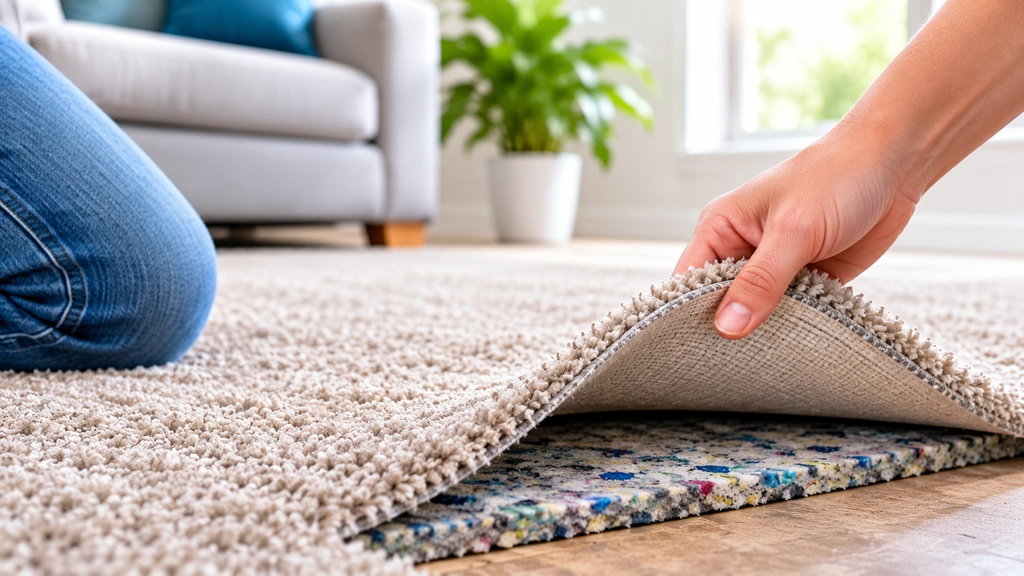
The problem may not be coming from the carpet fibers themselves. It could be related to the padding underneath. Carpet padding provides cushioning and support between the carpet and the subfloor. When it becomes compressed, damaged, or affected by moisture, the carpet above it can start showing noticeable changes.
Understanding carpet padding problems can help homeowners in O’Fallon recognize when the issue needs attention and whether the existing carpet can remain in place.
What Does Carpet Padding Actually Do?
Carpet padding is installed beneath the carpet to provide a supportive layer between the finished surface and the subfloor. Although it is hidden from view, it plays an important role in how the carpet feels and performs. Depending on the type and condition of the padding, it can help:
- Provide cushioning underfoot
- Support the carpet during everyday use
- Reduce the impact of foot traffic
- Help the carpet maintain its appearance
- Improve comfort in frequently used rooms
- Reduce some of the noise associated with walking across the floor
Padding is not designed to last indefinitely. Its condition can change with regular use, pressure from furniture, moisture exposure, and the passage of time. When the padding no longer provides suitable support, the carpet may begin showing signs of wear or instability.
Common Signs That Carpet Padding May Be Breaking Down
Because padding is hidden beneath the carpet, identifying a problem can be difficult without examining the flooring more closely. However, certain changes in how the carpet looks and feels may indicate that the underlying support needs attention.
1. Carpet Feels Flat or Less Cushioned
One of the most noticeable signs is a change in comfort.
If your carpet once felt soft but now feels hard or unusually flat in certain areas, the padding may have become compressed. This often happens in places that receive regular foot traffic.Hallways, living rooms, entryways, and areas around frequently used furniture are common places to notice this change.
However, flattened carpet fibers can also make a floor feel less comfortable. A closer inspection may be needed to determine whether the problem is in the carpet, the padding, or both.
2. Certain Areas Feel Uneven Underfoot
Does one part of the room feel different when you walk across it?
Damaged or deteriorated padding may contribute to areas that feel uneven, soft, or unstable. In some cases, the problem may also involve the subfloor or the carpet installation.Pay attention if the same area repeatedly feels different from the surrounding floor.
Rather than assuming the carpet needs to be replaced, it is worth checking what is happening underneath.
3. Carpet Develops Wrinkles or Loose Sections
Wrinkles and ripples are commonly associated with carpet losing tension, but padding conditions may also need to be considered. If padding has deteriorated or shifted, it can affect how the carpet is supported. The carpet may feel uneven or appear loose in certain areas.
Professional carpet stretching may help when the main problem is lost tension and the carpet remains in suitable condition. However, stretching alone will not correct damaged padding.
The underlying issue should be identified before choosing a repair.
4. Carpet Wears Out Faster in Certain Areas
Carpet padding helps support the carpet during everyday use. When that support becomes inadequate, some areas may experience additional stress. You may notice:
- Flattened traffic lanes
- Uneven carpet texture
- Areas that look worn sooner than others
- Changes in how the carpet responds to foot traffic
- Reduced cushioning in frequently used spaces
Carpet fibers also experience direct wear, so padding should not automatically be blamed for every worn area. Looking at both the carpet and the material underneath provides a clearer understanding of the problem.
5. You Notice Soft or Unstable Spots
A section of carpet that feels unusually soft or unstable may indicate an issue beneath the surface. Possible causes include deteriorated padding, a damaged subfloor, loose carpet, or moisture-related problems.
If the floor moves noticeably when you walk across it, avoid repeatedly putting pressure on the affected area until the cause has been identified.
An inspection can help determine whether the problem is limited to the padding or involves other parts of the flooring system.
What Causes Carpet Padding to Break Down?
Padding can deteriorate for several reasons. In many homes, the condition changes gradually rather than following one specific event.
Everyday Foot Traffic
Repeated walking places pressure on carpet and padding. Over time, this pressure can compress the padding, especially in busy areas. Entryways, hallways, stairs, and living spaces often experience more use than spare bedrooms or less frequently occupied rooms.
Heavy Furniture
Furniture can place continuous weight on small sections of carpet. Large sofas, beds, cabinets, and other heavy items may leave impressions in the carpet and padding. Moving furniture by dragging it can also disturb the carpet or affect its position.
Using appropriate furniture protectors and lifting heavy items when possible can help reduce unnecessary stress.
Age and Material Deterioration
Carpet padding has a useful lifespan, but its durability depends on the material, density, quality, installation, and amount of use. As padding ages, it may lose some of its original cushioning and support. Older padding may also become brittle, uneven, or deteriorated.
This is one reason a carpet that still looks acceptable from above may no longer feel the way it once did.
Moisture Exposure
Moisture can create additional problems beneath the carpet. Spills, plumbing leaks, pet accidents, or water intrusion may affect the padding. If moisture remains trapped, the material may become damaged or develop persistent odors.
If carpet has been exposed to water, the affected area should be evaluated rather than simply covered with another layer of flooring material.
Incorrect Padding Selection or Installation
The type of padding used during installation can influence how the carpet performs. Padding that is unsuitable for the carpet or the intended room may not provide the support required for the space. Installation issues can also contribute to unevenness or premature wear.
Following the carpet and padding manufacturer’s recommendations is important when installing or replacing these materials.
Can Damaged Padding Affect the Carpet Above It?
Yes. Carpet and padding work together as part of the same flooring system. When the padding becomes compressed or deteriorated, the carpet may lose some of the support it needs. This can affect comfort and contribute to changes in the carpet’s appearance.
Depending on the condition of the materials, you may notice:
- Reduced cushioning
- Uneven areas
- Premature carpet wear
- Changes in carpet tension
- Wrinkles or ripples
- Persistent odors after moisture exposure
These symptoms can have more than one possible cause. For example, wrinkles may be related to installation tension rather than padding, while unevenness may come from the subfloor.
The important step is to identify the source before deciding which repair is appropriate.
What Happens If You Ignore Carpet Padding Problems?
A small change in how your carpet feels may not seem urgent. However, leaving damaged padding unaddressed can allow the underlying problem to continue. Depending on the cause, you may experience:
Continued Loss of Comfort
Compressed or deteriorated padding cannot provide the same cushioning as material in good condition. Areas that receive frequent use may become increasingly uncomfortable.
Additional Carpet Wear
When the padding no longer provides suitable support, the carpet may experience uneven stress. This can contribute to a worn appearance in already busy areas.
Persistent Moisture or Odor Concerns
If the padding has been affected by water, the source of the moisture needs to be addressed. Covering the area or cleaning only the carpet surface may not resolve the underlying issue.
More Extensive Repair Work
A problem that initially affects one section may become more complicated if the cause is not identified. Early evaluation can help clarify whether a localized repair is possible.
Can Carpet Padding Be Replaced Without Replacing the Carpet?
Sometimes. If the carpet itself remains in good condition, it may be possible to remove it temporarily, replace the damaged padding, and reinstall the existing carpet. Whether this is practical depends on several factors:
- The condition and age of the carpet
- Whether the carpet backing is still suitable for reuse
- The extent of the padding damage
- The condition of the tack strips and edges
- Whether the carpet can be repositioned and stretched properly
- Whether moisture has affected the surrounding materials
If the carpet is badly worn, torn, or deteriorating, replacing the padding alone may not provide a worthwhile result.
A professional assessment can help determine whether the existing carpet can be saved or whether a larger replacement project makes more sense.
When Is Carpet Stretching Needed Instead?
Not every carpet problem comes from the padding.If the carpet has become loose, developed ripples, or no longer lies flat, lost tension may be the main issue.In suitable situations, professional carpet stretching can help restore the carpet’s tension and improve its appearance.
However, stretching is not a substitute for padding replacement. If the padding underneath has broken down, the underlying support problem should be addressed as well.
A flooring professional can examine the carpet, padding, backing, and edges to determine which work is needed.
What About Carpets That Have Been Exposed to Water?
Water exposure deserves particular attention because the padding underneath may absorb moisture even when the carpet surface appears relatively dry. Potential warning signs include:
- A musty or persistent odor
- Dampness beneath the carpet
- Discoloration
- Changes in the carpet’s texture
- Soft or unstable areas
- Visible damage after a leak or spill
The source of the moisture should be corrected first. The affected carpet and padding can then be evaluated to determine whether drying, cleaning, repair, or replacement is appropriate.
If moisture exposure is extensive, a professional may also need to inspect the subfloor.
How a Professional Evaluates Carpet Padding Problems
Because padding is hidden, a proper evaluation may involve examining the affected area and carefully lifting a section of carpet where necessary. The inspection may consider several parts of the flooring system.
Carpet Condition
The fibers and backing are checked to determine whether the carpet is still suitable for reuse.
Padding Condition
The padding is examined for compression, unevenness, moisture damage, or deterioration.
Subfloor Surface
The underlying floor is checked for uneven areas, damage, or possible moisture concerns.
Carpet Edges and Installation
The edges, tack strips, seams, and carpet tension may also need attention.
Extent of the Affected Area
The inspection helps establish whether the issue is limited to one section or extends across a larger part of the room.
This information helps determine whether padding replacement, carpet stretching, localized repair, or full replacement is the most practical option.
How to Help Protect Carpet Padding
Although padding naturally experiences wear, a few habits can help reduce unnecessary damage.
Use Furniture Protectors
Place suitable protectors beneath heavy furniture to help distribute weight and reduce deep impressions.
Move Furniture Carefully
Lift furniture when possible instead of dragging it across the carpet.
Address Spills Promptly
Clean spills using methods appropriate for your carpet, and avoid allowing moisture to remain trapped beneath the surface.
Follow Recommended Cleaning Methods
Excessive water or unsuitable cleaning products can create problems. Follow the manufacturer’s care recommendations.
Pay Attention to High-Traffic Areas
Check hallways, entryways, and frequently used rooms for changes in comfort, texture, or carpet tension.
Address Leaks Quickly
If water reaches the carpet, identify and correct the source before deciding how the affected flooring should be treated.
When Should O’Fallon Homeowners Have Their Carpet Inspected?
If your carpet feels different from how it used to, the problem may be worth investigating. Consider arranging an inspection when you notice:
- Areas that feel flat or unusually hard
- Soft or unstable spots
- Wrinkles that keep returning
- Carpet that appears uneven
- Persistent odors
- Signs of moisture exposure
- Worn areas that continue getting worse
For homeowners dealing with carpet padding problems in O’Fallon, an inspection can help identify whether the issue is related to the padding, carpet installation, surface wear, or the subfloor.
Finding the actual cause makes it easier to choose a suitable repair instead of replacing materials unnecessarily.
Don't Overlook What's Beneath Your Carpet
Carpet padding may be hidden, but its condition can make a noticeable difference to the comfort and performance of your floor.
When padding becomes compressed, damaged, or affected by moisture, the carpet above it may start feeling flat, uneven, or unstable. These changes do not automatically mean the entire carpet needs replacement, but they should not be ignored.
For homeowners experiencing carpet padding problems in O’Fallon, the best starting point is to understand whether the issue is coming from the padding, carpet, installation, or subfloor.
A professional flooring assessment can help identify the cause and determine whether padding replacement, carpet stretching, localized repair, or new flooring is the right next step.
Frequently Asked Questions
How do I know if my carpet padding is bad?
Common signs include reduced cushioning, uneven areas, soft or unstable spots, persistent odors, and carpet that feels different in certain sections. These symptoms can also have other causes, so an inspection may be needed.
Can carpet padding wear out before the carpet?
Yes. Padding and carpet do not necessarily wear at the same rate. Padding may become compressed or deteriorate while the carpet surface still appears usable.
Can new padding be installed under existing carpet?
Sometimes. If the carpet backing and fibers remain in suitable condition, the carpet may be lifted and reinstalled over replacement padding. The feasibility depends on the condition of the carpet and installation.
Does carpet padding cause wrinkles?
Damaged or shifted padding can contribute to an uneven carpet surface, but wrinkles are often related to lost carpet tension or installation issues. The cause should be identified before choosing a repair.
Can wet carpet padding be saved?
It depends on the type and extent of moisture exposure, the condition of the material, and how quickly the problem is addressed. A professional evaluation can help determine whether drying or replacement is appropriate.
How long does carpet padding last?
There is no single lifespan for every type of padding. Its durability depends on material, quality, density, foot traffic, furniture weight, moisture exposure, and installation conditions.
Should I replace carpet and padding at the same time?
Not always. If the carpet is still in good condition, replacing only the padding may be possible. If the carpet is also worn or damaged, replacing both may be more practical.
Can carpet stretching fix damaged padding?
No. Stretching addresses carpet tension, not deteriorated padding. If the padding has lost its support, it may need to be replaced separately.