
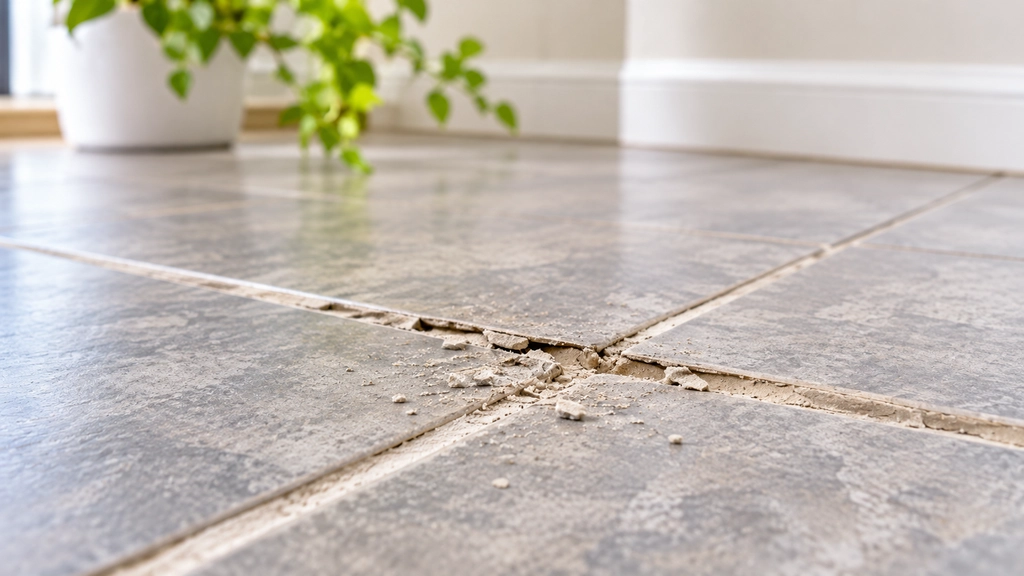
Why Does Grout Keep Breaking Down Between Floor Tiles?
Grout helps fill the spaces between floor tiles, creating a finished surface and helping keep dirt and debris from collecting in the joints. However, it can deteriorate over time. You may notice small cracks, powdery residue, or pieces of grout breaking away whenever you sweep or clean the floor.
A few damaged grout lines might not seem like a major concern initially. But when the same areas keep breaking apart, it is worth finding out why.
Crumbling floor grout can result from incorrect installation, moisture exposure, movement beneath the tiles, unsuitable cleaning products, or normal wear. Simply adding new grout over damaged sections may not provide a lasting solution if the underlying problem remains.
For homeowners in Wentzville, understanding the cause can help determine whether the floor needs localized grout repair, tile repair, or a more thorough inspection.
Common Reasons Floor Grout Starts Crumbling
Grout deterioration is not always caused by age. Several conditions can weaken the material and affect how well it stays in the joints.
Incorrect Grout Mixing During Installation
Grout needs to be mixed according to the manufacturer’s instructions. Adding too much water or failing to follow the recommended mixing and curing process can affect its final strength.
Improperly prepared grout may develop problems such as:
- Powdery or weak grout lines
- Small sections breaking away
- Premature cracking
- Grout that deteriorates during routine cleaning
If the grout started crumbling soon after the original installation, the mixing process or installation technique may need to be examined.
Repeated Moisture Exposure
Moisture can contribute to grout deterioration, especially when the joints are already damaged or the surrounding installation has other weaknesses.Kitchens, bathrooms, laundry areas, and entryways may experience frequent contact with water. Over time, repeated exposure can affect vulnerable grout lines.
Look for signs such as:
- Discoloration between tiles
- Crumbling near sinks or appliances
- Persistent dampness
- Staining around tile joints
- Deterioration near plumbing fixtures
It is important to remember that grout is not a substitute for a waterproofing system. If water is reaching the layers beneath the tiles, replacing the visible grout alone may not solve the problem.
Movement Beneath the Tiles
A tiled floor needs a stable surface underneath it. When the subfloor or underlying installation moves, stress can transfer to the tiles and grout.This movement may cause grout to crack or break away, particularly in areas that experience regular foot traffic.
You might also notice:
- Cracks appearing across several grout lines
- Tiles moving when stepped on
- Hollow sounds beneath certain tiles
- Repeated damage in the same location
If the underlying floor is unstable, the cause needs to be addressed before replacing the grout. Otherwise, the same damage may return.
Heavy Foot Traffic and Everyday Wear
Grout joints experience regular contact from shoes, furniture, dirt, and cleaning activity.Hallways, kitchens, entrances, and frequently used living spaces may show deterioration sooner than rooms that receive less activity.
Everyday use does not automatically cause grout to fail. However, repeated wear can make existing weaknesses more noticeable and contribute to further deterioration.
Harsh Cleaning Products and Abrasive Methods
Some cleaning products are unsuitable for particular grout types. Strong chemicals, acidic solutions, and abrasive tools may affect the grout or its protective sealer.Repeated use can contribute to surface deterioration, discoloration, or weakened joints.
Before using a cleaning solution, check the manufacturer’s recommendations for your specific tile and grout. Avoid aggressive scrubbing when grout is already loose or powdery, as it can remove additional material.
Aging and Deteriorating Grout
Grout can gradually lose its condition after years of cleaning, moisture exposure, and everyday activity.Older grout may become brittle, develop cracks, or separate from the edges of tiles.
Age alone does not mean the entire tiled floor needs replacement. The condition of the grout, tiles, and underlying surface should be considered together.
Warning Signs That Your Floor Grout Is Failing
Grout deterioration is not always obvious at first. Sometimes, the earliest signs appear while sweeping, mopping, or moving furniture.
Pay attention to these changes before the damage becomes more extensive.
Powdery Residue Between Tiles
If grout leaves dust or small particles when you sweep, it may be losing its strength.A little surface residue does not automatically mean the entire floor is damaged. However, repeated powdering or visible material loss deserves attention.
Small Pieces Breaking Away
Grout that breaks into small pieces can leave open spaces between tiles. These gaps may collect dirt and allow moisture to reach areas that were previously protected by the filled joints.
Cracks Along Grout Lines
Thin cracks may indicate stress, movement, or deterioration. If the same cracks keep returning after repairs, the underlying cause should be investigated instead of repeatedly filling the affected lines.
Missing Sections of Grout
When grout disappears completely from certain joints, the spaces between tiles become exposed.
These areas may need to be cleaned and repaired using a suitable grout product. The surrounding tiles should also be checked to make sure they remain secure.
Tiles That Feel Loose
Loose tiles are a more serious warning sign than surface-level grout damage.
If tiles move, click, or feel unstable underfoot, the issue may involve the adhesive, installation bed, or subfloor. Replacing the grout without addressing loose tiles will not provide a reliable repair.
Why Does Grout Keep Crumbling in the Same Areas?
Have you repaired a grout line only to find it breaking apart again a few weeks or months later? Recurring damage often means that something has not been properly addressed.
For example, a kitchen floor may develop repeated grout problems near a sink because of ongoing moisture exposure. A hallway may experience recurring cracks because the surface beneath the tiles is moving.
Other possible reasons include:
- Damaged grout was not fully removed before the repair
- The replacement grout was unsuitable for the application
- The joints were not prepared properly
- Moisture problems remain unresolved
- The underlying surface is unstable
- The original installation has other defects
The important step is to identify why the repair keeps failing. Filling the visible gaps again and again may only provide a temporary improvement.
Can You Repair Crumbling Grout Without Replacing the Tiles?
In many situations, yes. If the tiles remain firmly attached and the damage is limited to the grout, localized repair may be possible. This can restore the affected joints without removing an otherwise usable tiled floor.
The repair generally involves removing the deteriorated grout, preparing the joints, and applying suitable replacement grout according to the product instructions.
When Localized Grout Repair May Be Enough
Repair may be worth considering when:
- Only a few grout lines are damaged
- The surrounding tiles remain secure
- There is no significant movement beneath the floor
- The underlying surface is in suitable condition
- Moisture problems have been addressed
The condition of the surrounding grout should also be considered. If several nearby joints are already deteriorating, repairing only one small section may not address the full problem.
When More Extensive Tile Repair May Be Needed
If grout failure occurs alongside cracked, loose, or damaged tiles, the work may involve more than replacing the grout. A professional may need to examine the affected tiles, adhesive, and underlying surface before recommending a solution.
For homeowners dealing with several types of tile damage, understanding the common causes of cracked floor tiles can also help explain why grout and tile problems sometimes develop together.
Why Adding New Grout Over Old Grout May Not Work
Applying fresh grout directly over deteriorated material may seem like a simple solution. However, loose or weakened grout can prevent the replacement material from bonding properly. The new grout may crack, separate, or break away again if the damaged material underneath has not been addressed.
Proper preparation is an important part of the repair. The affected joints need to be evaluated and prepared according to the requirements of the replacement product. If the same grout lines keep failing, it is especially important to identify the cause before attempting another surface repair.
Does Crumbling Grout Mean the Tiles Are Damaged?
Not necessarily. Grout and tile are different materials. Grout deterioration does not automatically mean that the tiles themselves have failed. However, recurring grout problems can sometimes occur alongside other flooring concerns.
Check whether:
- Tiles have visible cracks
- Individual tiles move under pressure
- Tile edges are lifting
- The floor sounds hollow in certain areas
- Cracks appear across several adjoining tiles
These signs may indicate that the tile installation needs a closer inspection. If the tiles remain stable, repairing the grout may be sufficient. If the tiles are loose or damaged, the repair plan may need to include those areas as well.
How to Help Prevent Grout From Crumbling Again
Once damaged grout has been repaired, proper care can help reduce unnecessary wear and protect the finished joints.
Use Suitable Cleaning Products
Choose cleaning products recommended for your specific grout and tile surfaces. Avoid harsh chemicals unless the product manufacturer confirms they are suitable.
Avoid Excessive Water
Use appropriate cleaning methods and avoid leaving unnecessary moisture on the floor. Follow the care instructions for the particular grout and tile materials.
Address Leaks Promptly
If water is reaching the tiled floor from a plumbing fixture or appliance, resolve the source before completing the repair.
Avoid Aggressive Scrubbing
Hard brushes and abrasive cleaning methods can affect grout that is already weakened. Use suitable tools for routine maintenance.
Watch for Early Cracks
Small cracks and missing sections should be evaluated before the affected area becomes more extensive.
Follow Sealing Recommendations
Some grout types benefit from sealing, while others have different maintenance requirements. Follow the manufacturer’s instructions rather than assuming every grout needs the same treatment.
When Should Wentzville Homeowners Consider Professional Grout Repair?
A few damaged grout lines may be relatively straightforward to address. However, widespread or recurring deterioration deserves a more careful evaluation. Consider professional tile and grout repair in Wentzville if you notice:
- Grout breaking away in several areas
- Cracks that repeatedly return
- Missing grout between tiles
- Loose or shifting tiles
- Signs of moisture damage
- Uneven areas across the tiled floor
- Damage that continues after previous repairs
An inspection can help determine whether the problem is limited to the grout or involves the tiles and underlying surface.
You can explore the available tile and grout repair services to understand the types of flooring problems that may need professional attention.
What to Expect During a Grout Repair Assessment
Before recommending a repair, a flooring professional can evaluate the condition of the tiled area. The assessment may include:
Grout Condition
The damaged joints are examined to identify whether the grout is cracked, powdery, missing, or separating from the tile edges.
Tile Stability
Individual tiles are checked for movement, cracks, and signs that they may no longer be firmly attached.
Joint Condition
The affected grout lines are examined to understand how much material has deteriorated and whether nearby joints show similar problems.
Moisture Concerns
Visible signs of moisture exposure are considered to determine whether water may be contributing to the damage.
Underlying Surface
The floor is assessed for possible movement or instability that could be affecting the tiles and grout.
After evaluating these details, the appropriate repair options can be explained. Depending on the findings, the work may involve localized grout replacement, tile repair, or more extensive flooring attention.
Address Crumbling Grout Before the Problem Spreads
Grout that keeps breaking apart can make an otherwise attractive tile floor look neglected. More importantly, recurring deterioration may indicate an installation, moisture, or movement problem that should not be ignored.
For homeowners dealing with crumbling floor grout, the right solution depends on the condition of the grout, the stability of the tiles, and what is happening beneath the surface.
If the tiles remain secure, localized grout repair may restore the damaged joints. When tiles are loose or the underlying surface is affected, additional repair may be necessary.
Frequently Asked Questions
Why does floor grout crumble into powder?
Powdery grout can result from incorrect mixing, poor installation, age, unsuitable cleaning products, or ongoing deterioration. The exact cause depends on the product and condition of the tiled floor.
Can crumbling grout be repaired?
Yes. If the tiles remain secure and the damage is limited to the joints, removing deteriorated grout and replacing it may be possible.
Does crumbling grout mean water is getting underneath my tiles?
Not always. However, damaged grout can leave open joints where moisture and dirt may collect. If you notice dampness, staining, or other signs of water damage, the area should be inspected.
Why does new grout keep cracking?
Recurring cracks may be related to movement beneath the tiles, unsuitable grout, incomplete preparation, or unresolved moisture problems. Identifying the cause is important before repairing the area again.
Should I replace the tiles if the grout is falling out?
Not necessarily. If the tiles are firmly attached and remain undamaged, grout repair may be sufficient. Loose or cracked tiles may require additional work.
Does all floor grout need to be sealed?
No. Sealing requirements depend on the grout type and manufacturer’s recommendations. Some products require sealing, while others are designed not to need it.
When should I contact a grout repair professional in Wentzville?
Consider an inspection if grout is crumbling across multiple areas, cracks keep returning, tiles feel loose, or you notice possible moisture damage.