
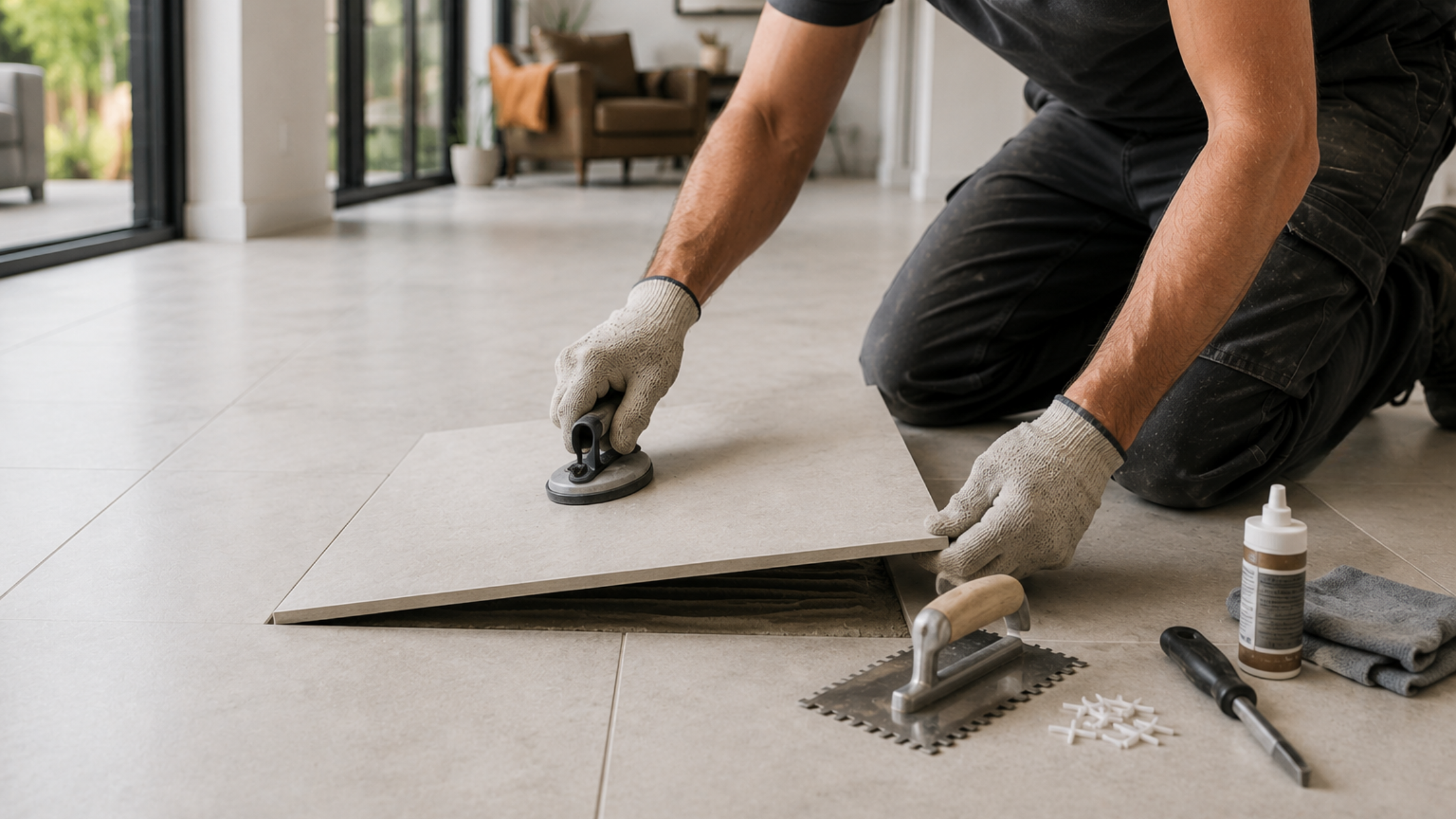
One Cracked Tile Doesn't Always Mean Starting Over
A cracked floor tile can be frustrating to discover, especially when the rest of your flooring still looks great. Whether the damage happened after dropping a heavy object, moving furniture, or simply from years of everyday use, it’s easy to assume the entire floor needs to be replaced. Fortunately, that’s often not the case. In many situations, replacing a single damaged tile is a practical and cost-effective solution.
Every tile floor is different, and the right repair depends on more than just the visible crack. Before recommending any work, a professional providing tile repair in St. Charles will inspect the surrounding tiles, grout lines, adhesive, and the condition of the subfloor. This thorough assessment helps determine whether the damage is isolated or if there’s an underlying issue that also needs attention.
If you’re dealing with one damaged tile, don’t assume a complete renovation is your only option. When the surrounding flooring remains stable and in good condition, replacing a single tile can restore your floor’s appearance while saving both time and money. Understanding when this type of repair is possible can help you make a more informed decision before investing in larger flooring work.
Why Every Damaged Tile Requires a Different Solution
It’s easy to assume that every cracked tile can be replaced in the same way, but tile flooring doesn’t work like that. The reason one tile cracked is often just as important as the crack itself. A heavy impact, moisture beneath the floor, improper installation, or natural movement within the home can all lead to similar-looking damage, yet each situation requires a different repair approach.
This is why professional inspections are so valuable. Instead of focusing only on the visible problem, experienced flooring professionals identify what’s happening beneath the surface. In many cases, the damage is isolated to a single tile. In others, the cracked tile is simply the first sign of a larger issue that needs attention.Taking the time to identify the real cause helps ensure the repair lasts and protects the rest of your flooring from future damage.
💡 Homeowner Tip
If you’ve noticed one cracked tile, avoid delaying the repair. Small cracks can allow dirt and moisture to work beneath the surface, making the problem more difficult and sometimes more expensive to fix later.
When Can a Single Floor Tile Be Replaced?
Replacing one tile instead of the entire floor is often possible, but only when certain conditions are met. A professional tile repair specialist will evaluate several factors before deciding whether a single tile replacement is the best option.Here are some of the most common situations where replacing one tile makes sense.
The Damage Is Limited to One Area
One of the best situations for a single tile replacement is when the damage is confined to just one tile or a very small section of the floor. This often happens after a heavy object is dropped in the kitchen, a tool falls in the garage, or furniture accidentally strikes the tile during a move.If the surrounding flooring hasn’t been affected, removing and replacing the damaged tile can restore the floor without disturbing the rest of the installation. This approach is usually faster, more affordable, and far less disruptive than replacing an entire room of tile.
Addressing isolated damage early also helps prevent the crack from spreading or allowing moisture to reach the subfloor.
The Surrounding Tiles Are Still Firm and Secure
A replacement tile is only as reliable as the floor around it. Before recommending a repair, professionals check whether the neighboring tiles remain firmly attached and free from movement.If nearby tiles are stable, the damaged tile can usually be removed with specialized tools designed to protect the surrounding installation. This careful process helps maintain the integrity of the existing floor while creating space for the replacement tile.
On the other hand, if several nearby tiles are loose or beginning to shift, additional repairs may be recommended to address the underlying cause rather than replacing one tile at a time.
A Matching Tile Can Be Found
A successful tile repair isn’t just about fixing the damage, it should also maintain the appearance of the floor.If extra tiles were kept after the original installation, finding a matching replacement is often straightforward. Even when spare tiles aren’t available, professionals can sometimes locate a close match by comparing the tile’s size, texture, finish, and color.
For older floors where the original tile is no longer manufactured, experienced repair specialists may recommend alternative options that blend naturally with the surrounding flooring. The goal is always to make the repair as seamless as possible so it doesn’t stand out from the rest of the room.
The Foundation Beneath the Tile Is Still Strong
One of the most overlooked parts of tile repair is the surface beneath the flooring. Even the highest-quality replacement tile won’t last if the subfloor has been damaged by moisture, movement, or structural issues.Before installing a new tile, professionals inspect the underlying surface to ensure it’s level, secure, and capable of supporting the repair. If the foundation remains in good condition, replacing a single tile is often all that’s needed.
If underlying problems are discovered, correcting those issues first helps protect the new tile and reduces the chances of future damage.
📌 Good to Know
A cracked tile doesn’t always indicate poor-quality flooring. In many homes, accidental impacts or natural settling can damage one tile while the rest of the floor remains in excellent condition.
Looking Beyond the Visible Damage
While a cracked tile may seem like a small problem, it’s important to understand what caused it before deciding on the best repair solution. Sometimes replacing one tile is all that’s needed. Other times, the visible damage points to a larger issue beneath the surface that should be addressed first.
A professional inspection provides the answers homeowners need to make a confident decision. Instead of replacing more flooring than necessary, the right repair approach focuses on restoring the affected area while preserving the rest of the floor whenever possible.
When Replacing One Tile May Not Be the Best Solution
Although replacing a single tile is often possible, there are situations where the damage extends beyond what you can see on the surface. A cracked tile is sometimes a symptom rather than the actual problem. If the underlying issue isn’t addressed, replacing one tile may only provide a temporary fix.
This is why professional inspections are so valuable. Rather than focusing solely on the visible damage, flooring specialists evaluate the condition of the surrounding tiles, grout, and subfloor to determine whether a localized repair will provide lasting results. In some cases, repairing a slightly larger section of flooring is the better long-term solution and helps prevent the same issue from happening again.
Multiple Tiles Are Showing Damage
If several tiles throughout the room have cracked, become loose, or sound hollow when walked on, the problem may be affecting more than one area of the floor. This could be the result of natural settling, subfloor movement, or installation issues that have developed over time.Instead of replacing one tile at a time, professionals may recommend repairing the affected section so the flooring remains stable and continues to perform as intended.
Water Damage Beneath the Floor
Tile is highly durable, but moisture beneath the surface can gradually weaken the materials that support it. Water leaks around kitchens, bathrooms, laundry rooms, or entryways may damage the adhesive or subfloor long before visible signs appear.If moisture has contributed to the damage, simply replacing the cracked tile won’t solve the problem. Identifying and correcting the source of the moisture is an important part of creating a lasting repair.
Worn or Damaged Grout
Grout does more than fill the spaces between tiles; it helps keep the entire floor stable while protecting the edges of each tile. Over time, grout can crack, crumble, or separate due to everyday wear, moisture, or movement within the home.When grout deterioration is widespread, repairing the grout along with the damaged tile often produces better results than replacing the tile alone. Restoring both elements helps improve the floor’s appearance while reducing the risk of future movement.
💡 Quick Tip
Don’t ignore loose or missing grout. Small grout problems often allow moisture to reach the surface beneath the tile, creating larger repairs that could have been prevented with early maintenance.
Why Professional Tile Repair Delivers Better Results
Replacing a damaged tile may seem like a straightforward project, but achieving a repair that blends naturally with the existing floor requires careful planning, precision, and experience. The goal isn’t simply to install a new tile it’s to make the repaired area look and perform like the rest of the floor.Professional flooring contractors follow a process designed to protect your existing flooring while restoring the damaged area as seamlessly as possible.
Careful Removal Protects the Surrounding Floor
One of the most delicate parts of the repair is removing the damaged tile without disturbing the surrounding installation. Professionals use specialized tools that allow them to break and remove the damaged tile while minimizing the risk of cracking nearby tiles.This careful approach helps preserve more of the original flooring and reduces unnecessary repairs.
Preparing the Surface for a Lasting Repair
After the damaged tile has been removed, the remaining adhesive and debris are carefully cleaned away. The surface is then inspected to ensure it is level, secure, and ready for the replacement tile.Skipping this step can leave the new tile sitting unevenly or reduce the strength of the repair over time.
Matching the Existing Floor
A successful tile repair should blend naturally with the rest of the room. Professionals carefully consider the size, color, texture, finish, grout width, and grout color before completing the repair.Even if an exact tile match isn’t available, experienced flooring specialists can often recommend alternatives that complement the existing flooring while maintaining a consistent appearance.
📌 Good to Know
If you still have leftover tiles from your original installation, keep them in a safe place. They can make future repairs much easier and help ensure the closest possible match.
Benefits of Repairing Instead of Replacing the Entire Floor
Whenever a single tile replacement is possible, homeowners can enjoy several practical advantages. Repairing the damaged area instead of replacing the entire floor helps preserve materials that are still in excellent condition while reducing unnecessary work.Some of the biggest benefits include:
- Lower overall repair costs compared to replacing an entire room.
- Less disruption to your daily routine.
- Faster project completion.
- Preserving the original style and layout of your flooring.
- Extending the lifespan of your existing tile floor.
Professional repairs allow homeowners to address the problem without investing in a complete renovation when it isn’t necessary.
Simple Ways to Help Protect Your Tile Floors
Although tile is one of the most durable flooring materials available, regular care can help prevent unnecessary damage and extend its lifespan. A few simple habits can make a noticeable difference over time.
Lift Heavy Furniture Instead of Dragging It
Moving appliances or heavy furniture across tile floors can place significant pressure on individual tiles. Using furniture sliders or lifting heavy items whenever possible helps reduce the risk of cracks and chipped edges.
Clean Up Spills Promptly
While tile itself resists moisture, water that reaches damaged grout or small cracks may eventually affect the materials beneath the floor. Cleaning spills promptly and keeping grout in good condition helps protect your flooring investment.
Inspect Grout Regularly
Grout often shows signs of wear before the tiles themselves. Looking for cracked, loose, or missing grout allows you to address small problems before they become larger repairs.
Schedule Repairs Before Damage Spreads
A small crack rarely improves on its own. Addressing damaged tiles early often prevents additional stress on neighboring tiles and helps keep repair costs lower over time.
Final Thoughts
A cracked floor tile doesn’t always mean you need to replace your entire floor. In many cases, a professional repair can restore the damaged area while preserving the surrounding tiles, saving both time and money. The key is identifying the underlying cause of the damage and determining whether the issue is isolated or part of a larger flooring concern.
Having your flooring inspected by an experienced professional ensures you receive the right solution for your home. By addressing damaged tiles early, you can help maintain the appearance, safety, and longevity of your flooring while avoiding more extensive repairs down the road.
Restore Your Tile Floors with Confidence
If you’re dealing with a cracked, chipped, or loose tile, don’t wait for the damage to spread. At S&S Floors, we provide professional tile repair in St. Charles, helps homeowners restore the beauty and durability of their flooring without unnecessary replacements whenever possible.From replacing individual floor tiles to repairing damaged grout and restoring worn tile surfaces, our experienced team delivers dependable workmanship and lasting results.
Ready to restore your tile floor? Contact S&S Floors today to schedule your professional tile repair consultation and discover the best solution for your home.
Frequently Asked Questions
Can one cracked floor tile really be replaced?
Yes. If the surrounding tiles are secure and the subfloor remains in good condition, replacing a single damaged tile is often possible.
Will the replacement tile match my existing floor?
If spare tiles are available, matching is usually straightforward. When they aren’t, experienced professionals can often locate a similar tile that blends well with the existing floor.
How long does a single tile replacement take?
Most individual tile repairs can be completed much faster than replacing an entire floor. The exact timeframe depends on the condition of the floor and the availability of matching materials.
Is repairing one tile less expensive than replacing the whole floor?
In many situations, yes. When the damage is isolated, replacing one tile is generally a more cost-effective solution than removing and reinstalling an entire floor.
When should I contact a flooring professional?
If you notice cracked tiles, loose grout, hollow-sounding tiles, or signs of moisture, scheduling an inspection early can help prevent additional damage and identify the most appropriate repair option.