
Understanding the Reasons Behind Laminate Floor Buckling
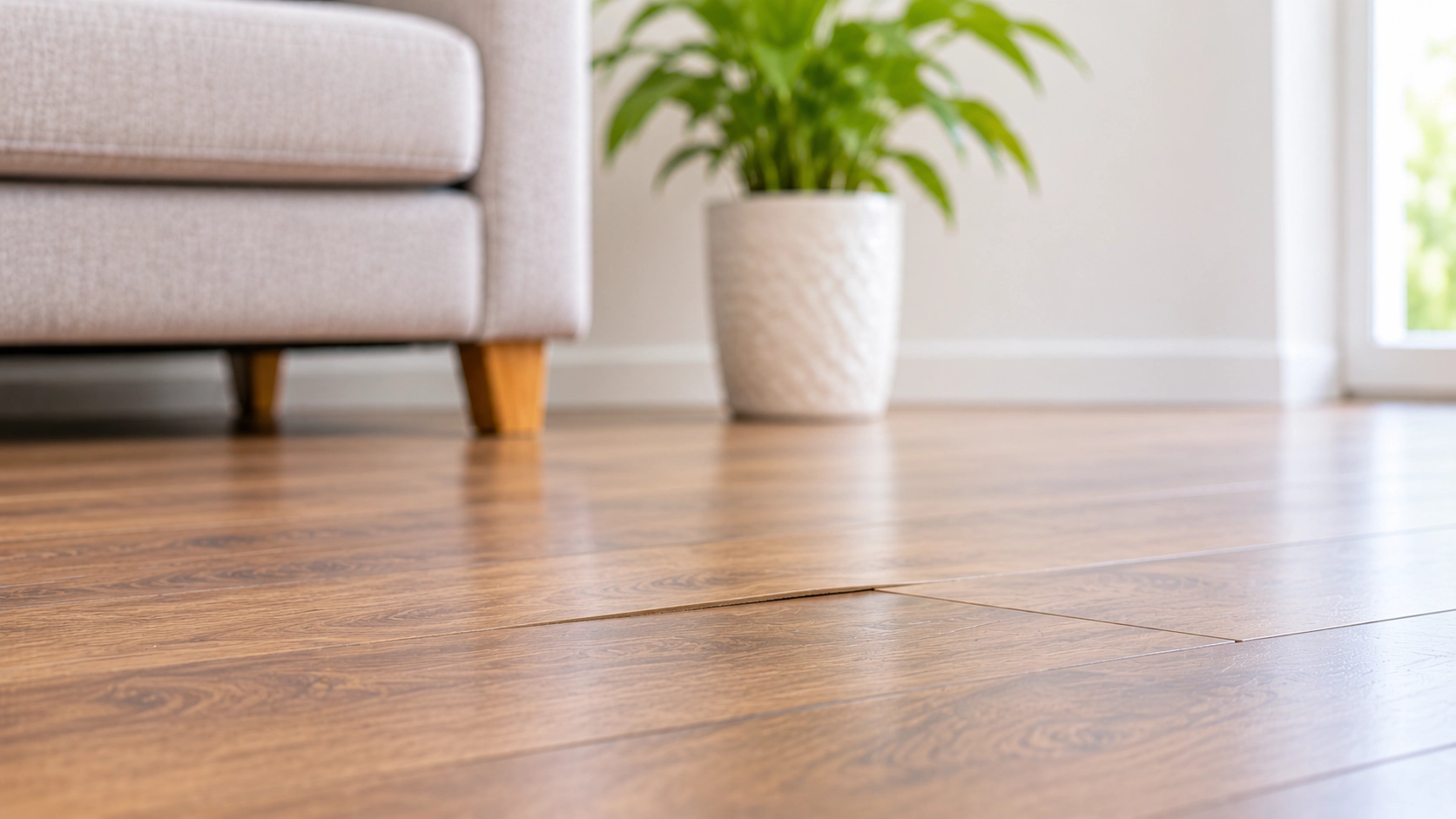
Laminate flooring can develop problems even when it initially looks smooth and properly installed. One day, the surface may appear normal, and then you notice a raised section, uneven plank, or area that feels different when you walk across it.This condition is commonly called buckling. It happens when sections of laminate flooring lift, push against one another, or move out of their original position.
Moisture is one possible cause, but it is not the only one. Insufficient expansion space, uneven subfloors, installation mistakes, and other issues can also contribute.
For homeowners considering laminate flooring in St. Charles, understanding why buckling happens is important. Identifying the cause can help determine whether a localized repair is possible or whether more extensive flooring work is needed.
What Does Buckling Look Like on Laminate Flooring?
Buckling does not always look the same. Depending on the cause, you may notice one raised plank or a larger section of flooring that appears uneven. Some common warning signs include:
- Planks lifting above the surrounding floor
- Raised ridges or noticeable waves
- Flooring that feels uneven when walking
- Edges pushing upward near walls or doorways
- Gaps appearing between connected planks
- Sections that move or make noise underfoot
Sometimes the problem develops slowly. In other situations, it becomes noticeable after a spill, leak, or change in indoor conditions. Pay attention to where the buckling appears and whether it continues spreading. These details can help identify the likely cause.
6 Common Reasons Laminate Flooring Buckles
1. Moisture Getting Beneath the Flooring
Moisture is one of the most common reasons laminate flooring develops swelling or buckling. Laminate products often contain wood-based materials that can be affected by water. When moisture reaches the plank core, the material may swell, causing edges to rise or surfaces to become uneven. Possible sources include:
- Plumbing leaks
- Dishwasher or refrigerator leaks
- Water entering from outside
- Spills that are not cleaned promptly
- Excessive moisture during cleaning
- Dampness coming from the subfloor
Even if the visible surface looks relatively dry, moisture may have reached the edges or the material underneath. If buckling appears after a water-related incident, the source should be identified before attempting a repair. Repositioning the planks without addressing the moisture may not solve the problem.
2. Not Enough Expansion Space
Laminate flooring needs room to expand and contract as indoor conditions change. Floating laminate floors are generally installed with a small expansion gap around the perimeter. This space allows the flooring to move without pressing tightly against walls, cabinets, door frames, or other fixed objects.If the gap is too small or has been blocked, the floor may not have enough room to move. This pressure can cause:
- Raised sections
- Buckling near walls
- Planks pushing against one another
- Visible waves across the floor
Baseboards, trim, or heavy fixed objects can sometimes restrict the movement of a floating floor if installation clearances are not maintained.
3. Changes in Temperature and Humidity
Indoor conditions can affect laminate flooring throughout the year.
Changes in temperature and humidity may contribute to expansion and contraction. When the flooring cannot move as intended, pressure can build between connected planks or along the edges.
This does not mean every raised plank is caused by seasonal weather. However, if the floor changes noticeably during different times of the year, environmental conditions may be worth investigating. Following the manufacturer’s recommended indoor temperature and humidity range can help maintain more stable conditions.
4. An Uneven or Damaged Subfloor
The surface underneath laminate flooring plays an important role in how the finished floor performs. If the subfloor has dips, raised areas, damaged sections, or other irregularities, the laminate may not receive consistent support. This can contribute to:
- Movement when walking
- Separation between planks
- Unstable sections
- Stress on locking connections
- Uneven or raised areas
Sometimes the problem is not immediately visible because the laminate covers the underlying surface. If buckling repeatedly develops in the same location, the subfloor should be considered as a possible cause.
5. Installation Problems
Correct installation involves more than connecting the planks. The flooring needs to be installed according to the manufacturer’s instructions, including requirements for expansion space, surface preparation, underlayment, and plank connections. Problems can develop when:
- The flooring is not acclimated as required
- Expansion clearances are insufficient
- The subfloor is not properly prepared
- Planks are connected incorrectly
- The wrong underlayment is used
- The installation does not follow product specifications
An installation problem may become noticeable only after the floor has been used for some time.
6. Heavy or Fixed Objects Restricting Floor Movement
Floating laminate flooring is designed to move within its installation space.However, certain fixed or unusually heavy objects can restrict that movement. For example, cabinets, built-in fixtures, or improperly installed heavy items may place pressure on the flooring.
If the floor cannot move as intended, sections may begin lifting or separating. The installation layout and manufacturer’s requirements should be reviewed before deciding how to correct this type of problem.
Can Buckled Laminate Flooring Be Fixed?
In many cases, the flooring can be repaired, but the right solution depends on the cause and the condition of the planks. A small raised section caused by restricted movement may require a different repair from planks that have swollen after water exposure.
Before choosing a repair method, it is important to determine whether the material is still usable.
Correcting Insufficient Expansion Space
If the flooring is pressing against a wall or another fixed surface, a professional may need to inspect the perimeter and correct the restricted expansion space. The appropriate clearance depends on the flooring manufacturer’s instructions and the room layout.
Simply pushing the raised section down will not correct the underlying pressure.
Replacing Water-Damaged Planks
When laminate planks have swollen or become permanently deformed, they may need to be replaced. If the damage is limited to a small area, replacing the affected boards may be possible without removing the entire floor.
The availability of matching material and the condition of the locking connections can affect the repair.
Addressing Subfloor Problems
If an uneven or damaged subfloor is contributing to the buckling, the underlying issue needs to be corrected. Depending on the condition, this may involve removing affected planks, preparing the surface, and reinstalling suitable flooring.
Installing new planks over an unresolved subfloor problem is unlikely to provide a lasting solution.
Correcting Installation-Related Issues
If the flooring was installed incorrectly, the affected area may need to be taken apart and reinstalled according to the manufacturer’s requirements. The repair could involve correcting plank connections, addressing expansion clearances, or preparing the underlying surface.
The exact work depends on what caused the problem.
What Should You Do When You Notice Buckling?
If your laminate floor begins lifting, avoid trying to force the planks back into place. Instead, take a few practical steps.
1. Look for a Possible Moisture Source
Check nearby appliances, plumbing, exterior doors, and other areas where water may have entered. If you find an active leak, address it promptly.
2. Avoid Excessive Water During Cleaning
Do not use wet mops or pour water over the affected section. Follow the flooring manufacturer’s recommended cleaning method.
3. Check Whether the Problem Is Spreading
Notice whether one plank is raised or whether several connected sections are affected. Taking a photograph can help you compare the condition over time.
4. Avoid Placing Additional Weight on the Area
Do not use heavy furniture or objects to push the raised flooring down. This may place more stress on the connections.
5. Have the Cause Evaluated
If the floor remains raised, feels unstable, or shows signs of moisture damage, a flooring professional can inspect the affected area and discuss suitable repair options.
Why DIY Buckling Repairs Can Make the Problem Worse
It may seem simple to tap a raised plank back into place or apply adhesive beneath it. However, laminate flooring is designed with specific connection and installation requirements. Using the wrong repair method can create additional problems. For example:
- Forcing planks together may damage their locking edges.
- Applying unsuitable adhesive may interfere with future repairs.
- Ignoring moisture can allow damage to continue.
- Covering a raised section may hide an underlying subfloor problem.
- Removing planks without understanding the installation can damage nearby boards.
A repair should address the reason the floor buckled, not just improve its appearance temporarily.
Repair or Replace: Which Option Makes More Sense?
Buckling does not automatically mean the entire laminate floor needs replacement. The decision depends on the extent of the damage, the condition of the surrounding planks, and whether the underlying cause can be corrected.
Repair May Be Worth Considering When:
- Only a few planks are affected
- The surrounding flooring remains in good condition
- The locking connections are still usable
- The cause of the buckling can be corrected
- Matching replacement planks are available
- The subfloor remains suitable for installation
Replacement May Be More Practical When:
- Moisture has affected a large area
- Many planks are swollen or deformed
- Locking connections are badly damaged
- The subfloor has widespread problems
- The flooring has repeated buckling issues
- Matching material is unavailable for necessary repairs
A Flooring Assessment can help determine whether localized repair is practical or whether replacing a larger section would provide a better result.
How to Prevent Laminate Flooring From Buckling
Although some flooring problems are difficult to predict, proper care and installation can reduce the risk of buckling.
Clean Up Spills Promptly
Do not allow water or other liquids to remain on laminate flooring. Pay particular attention to areas near sinks, appliances, and exterior doors.
Follow Manufacturer Cleaning Instructions
Avoid excessive moisture and use cleaning products recommended for the specific flooring.
Maintain Suitable Indoor Conditions
Keep indoor temperature and humidity within the range recommended by the flooring manufacturer.
Protect the Floor From Leaks
Check plumbing connections and appliances periodically. Address water problems before moisture reaches the flooring.
Use Proper Installation Methods
Correct subfloor preparation, expansion clearances, and plank connections can help the flooring move as intended.
Keep Product Information
Save the manufacturer’s name, product details, color, and installation instructions. Keeping spare planks can also make future repairs easier if matching material becomes difficult to find.
What St. Charles Homeowners Should Know About Laminate Floor Buckling
Home conditions, moisture exposure, installation quality, and everyday use can all influence how laminate flooring performs. If you’re considering laminate flooring in St. Charles, it is worth paying attention to the condition of the existing floor before planning a repair or replacement.
A raised section may be caused by something relatively localized, such as restricted expansion space. In other cases, water damage or an uneven subfloor may require more extensive attention. The important thing is not to assume that every buckled floor needs to be replaced. Understanding the cause can help identify the most practical next step.
When Should You Call a Flooring Professional?
A professional inspection may be useful if you notice:
- Multiple raised or uneven planks
- Buckling that continues to spread
- Swelling after water exposure
- Repeated plank separation
- Movement or noise underfoot
- Flooring that presses against walls or door frames
- Damage that returns after a previous repair
A Flooring Repair Specialist can examine the affected area, check for possible installation or moisture-related problems, and help determine whether repair or replacement is appropriate.
Choosing the Right Solution for Buckled Laminate Flooring
Buckled laminate flooring can make a room look uneven and affect how the floor feels underfoot. Although moisture is a common cause, restricted expansion space, installation mistakes, uneven subfloors, and other conditions can also contribute.
The right solution depends on what caused the problem and how much of the flooring has been affected. Some situations may only require a localized repair, while widespread swelling or structural damage may make replacement more practical.
If your laminate floor is lifting, separating, or developing raised sections, have the cause checked before attempting a repair. For homeowners researching laminate flooring in St. Charles, understanding the problem early can help avoid unnecessary replacement and make it easier to choose the right flooring solution.
Frequently Asked Questions
What is the most common cause of laminate flooring buckling?
Moisture exposure and insufficient expansion space are common causes. Installation problems, uneven subfloors, and restricted floor movement can also contribute.
Can laminate flooring buckle because of humidity?
Yes. Changes in indoor humidity can contribute to flooring movement. The effect depends on the product, room conditions, and whether the floor has enough space to expand and contract.
Will buckled laminate flooring go back down on its own?
Not necessarily. Some movement may change as indoor conditions change, but swollen or permanently deformed planks generally will not return to their original shape simply by waiting.
Can water-damaged laminate flooring be repaired?
If the damage is limited, individual planks may sometimes be replaced. Extensive swelling or damage to the locking connections may require replacing a larger section.
Can I put heavy furniture on buckled laminate flooring to flatten it?
No. Heavy furniture is not a reliable repair method and may place additional stress on the flooring. The underlying cause should be identified first.
Does laminate flooring need an expansion gap?
Floating laminate flooring generally requires expansion space around the perimeter. The exact clearance should follow the manufacturer’s installation instructions.
Can an uneven subfloor cause laminate flooring to buckle?
An uneven or damaged subfloor can contribute to movement, unstable areas, and stress on plank connections. The underlying surface may need correction before the flooring is reinstalled.
Should I replace the entire floor if only a few planks are buckled?
Not always. If the damage is localized and the surrounding flooring remains in good condition, replacing individual planks or a small section may be possible.
