
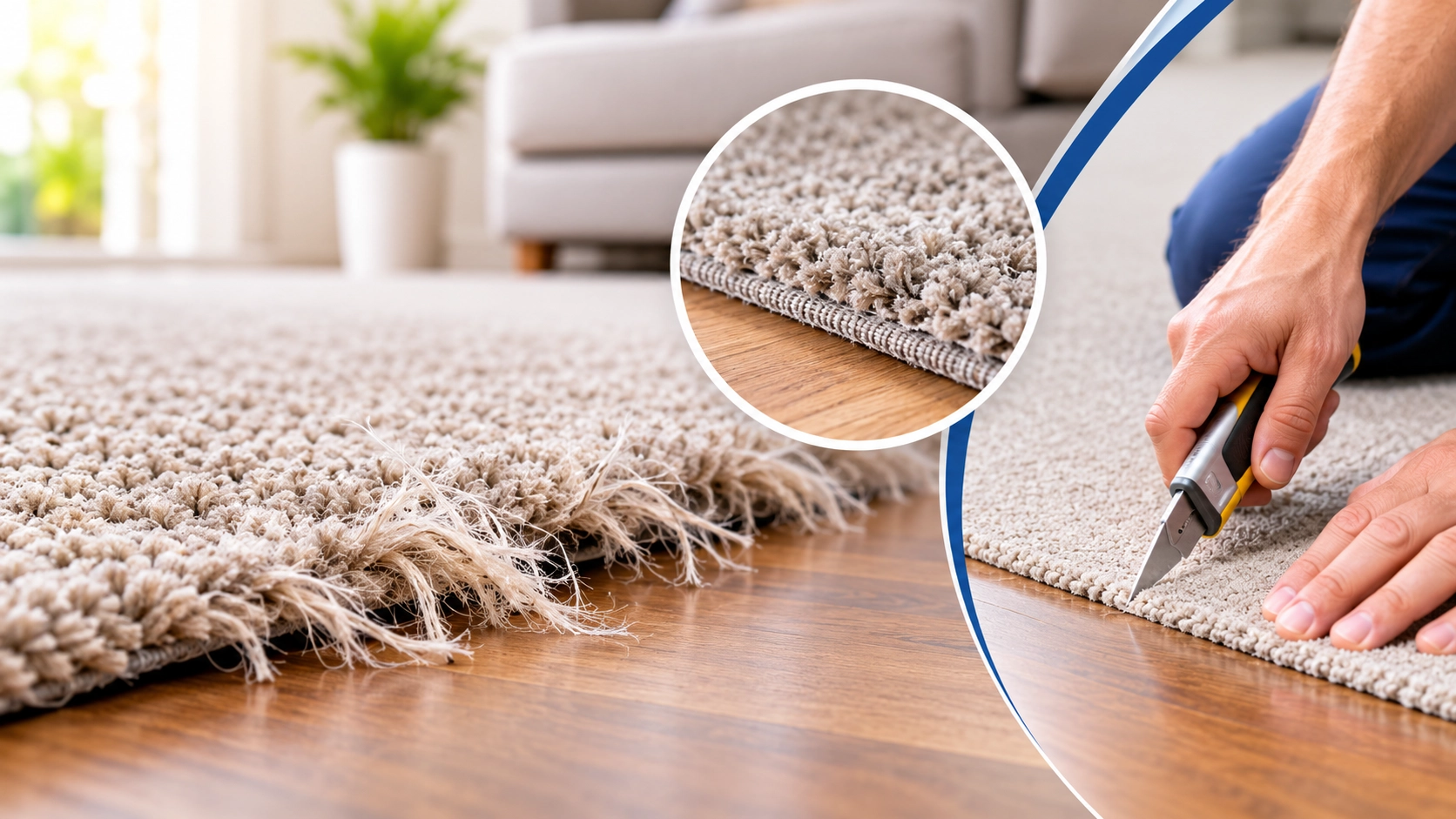
Why Are the Edges of Your Carpet Starting to Fray?
Carpet edges are often exposed to more wear than the rest of the floor. Areas near doorways, walls, stairs, and transitions between rooms experience regular foot traffic, furniture movement, and contact with shoes or cleaning equipment. Over time, the fibers may begin to loosen, unravel, or separate from the carpet backing.
A small amount of fraying might seem like a minor appearance issue, but it can become more noticeable if the damaged area continues to receive traffic. Loose fibers can spread, edges may begin to lift, and nearby seams can become affected.
Understanding what causes this damage can help you decide whether simple maintenance is enough or whether professional Carpet Repair in St. Peters services may be worth considering.
What Causes Carpet Edges to Fray?
Fraying does not always happen because a carpet is old. Several everyday conditions can weaken its edges and contribute to visible damage.
1. Heavy Foot Traffic
Doorways, hallways, and entrances are common places for carpet edges to wear down. People repeatedly walk across these areas, sometimes catching the carpet edge with their shoes.Over time, this repeated contact can loosen fibers and cause the carpet to unravel.
Pay attention to areas where carpet meets hardwood, tile, or another flooring material. These transitions often experience additional wear because people step directly across the edge.
2. Poor Carpet Installation
The way carpet is installed can affect how well its edges hold up.If carpet is not secured properly, the edges may become loose or begin pulling away from the floor. Inadequate finishing around doorways, stairs, or room transitions can also leave the material more vulnerable to damage.
Incorrect seam work or insufficient edge protection may contribute to problems that become visible after regular use.
3. Furniture Movement
Moving heavy furniture across carpet can put pressure on the fibers and edges. Dragging a sofa, table, cabinet, or bed may catch the carpet and pull it out of position. Even when the damage is not immediately noticeable, repeated movement can weaken the affected area.
When rearranging a room, lifting furniture or using appropriate moving equipment can help protect the carpet.
4. Vacuum Cleaner Damage
Vacuuming is important for carpet maintenance, but equipment can sometimes contribute to edge damage.A vacuum head or rotating brush may catch loose fibers, especially when used directly against an already damaged edge. Repeated contact can make the fraying worse.
If you notice fibers being pulled out during cleaning, check the vacuum height and settings and avoid repeatedly running the machine over the damaged section.
5. Pet Scratching and Digging
Pets may scratch or dig at carpet near doorways, corners, or along walls. This behavior can pull individual fibers loose and gradually create a larger damaged section. Once the edge begins unraveling, continued scratching can make it harder to repair.
If the same area is repeatedly targeted, addressing the behavior is just as important as repairing the carpet.
6. Carpet Age and General Wear
Carpet materials naturally experience wear over time. Older carpet may have weakened fibers, loose backing, or areas that no longer hold their shape as well as they once did.
Age does not automatically mean the carpet needs replacement. However, if the edges are fraying alongside widespread wear or backing deterioration, a closer inspection may be necessary.
Why You Shouldn't Ignore Frayed Carpet Edges
A few loose fibers may not seem serious, but the condition can change if the damaged area is left unattended. Fraying can gradually lead to:
- More fibers unraveling from the edge
- Carpet separating from its original position
- Visible damage around doorways and transitions
- Loose sections that catch on shoes or cleaning equipment
- Separation near seams
- A larger area requiring repair
The sooner the cause is identified, the easier it may be to prevent additional damage. This does not mean every frayed edge needs immediate professional work. The extent of the damage and the condition of the surrounding carpet should guide the next step.
How Can You Tell Whether Carpet Edge Repair Is Needed?
Not all carpet fraying looks the same. Some problems involve only a few loose fibers, while others affect the backing or the way the carpet is secured. Here are a few signs worth checking.
Loose Fibers Along the Edge
If individual fibers are coming away from the carpet, the area may be beginning to unravel. Avoid pulling these fibers because doing so can make the damaged section larger.
Carpet Pulling Away From the Floor
An edge that lifts or moves when stepped on may no longer be properly secured. This can happen near walls, doorways, or transitions.
Fraying Around a Doorway
Doorway edges receive frequent contact from shoes and foot traffic. If the carpet is separating where it meets another flooring material, the transition may need attention.
Visible Seam Separation
If the carpet is coming apart along a joined section, the problem may involve the seam rather than ordinary surface wear.
Damaged or Exposed Backing
When the backing becomes visible or starts breaking down, the problem may require more than trimming a few loose fibers.
If you notice any of these signs, professional Carpet Repair in St. Peters services can help determine whether the edge can be secured, reworked, or partially replaced.
What Are the Common Ways to Repair Frayed Carpet Edges?
The appropriate repair depends on where the damage is located and how much of the carpet has been affected.
Re-Securing a Loose Carpet Edge
If the carpet has pulled away from its original position but the material remains in good condition, a professional may be able to secure the affected edge again. The repair method depends on the carpet construction and the condition of the underlying installation components.
Repairing a Damaged Seam
When fraying occurs along a seam, the affected sections may need to be joined or secured again. A suitable repair can help prevent the separation from spreading. The condition of both carpet edges matters when deciding whether the seam can be repaired.
Replacing a Damaged Section
If a small area is badly frayed or torn, replacing that section may be an option. A matching piece of carpet can sometimes be taken from leftover material or another suitable area. The availability of matching carpet, pattern direction, and wear differences can affect the final appearance.
Installing or Repairing a Transition
When carpet meets tile, hardwood, or laminate, the transition needs to protect the edge and create a suitable connection between the surfaces. If the existing transition is damaged or unsuitable, it may need to be repaired or replaced as part of the work.
Can You Fix Frayed Carpet Edges Yourself?
Minor loose fibers may be tempting to trim, glue, or tuck back into place. However, these approaches do not always address the actual cause of the problem. For example, cutting loose fibers may make the edge look neater temporarily, but it will not secure carpet that is pulling away from the floor. Applying an unsuitable adhesive can also affect the carpet backing or leave a visible mark. Before attempting a repair, consider:
- Is only the surface fiber affected?
- Is the carpet edge still firmly secured?
- Is the backing damaged?
- Is the problem near a doorway or transition?
- Is a seam beginning to separate?
- Does the same area keep fraying?
If the damage involves the backing, seam, or installation, professional repair is generally a better option than trying to fix it with household materials.
How to Prevent Carpet Edges From Fraying
You cannot prevent every type of carpet damage, but a few everyday habits can reduce unnecessary wear.
Avoid Dragging Heavy Furniture
Lift furniture when possible or use suitable moving equipment. This helps prevent the carpet from being pulled or caught.
Be Careful When Vacuuming
Avoid forcing the vacuum head against loose edges. Check the settings and use an attachment where appropriate.
Keep Doorway Transitions in Good Condition
Inspect the points where carpet meets other flooring. A damaged or poorly fitted transition can leave the carpet edge exposed.
Address Loose Fibers Early
If you notice a section beginning to unravel, avoid pulling at it. Have the area checked before the damage spreads.
Keep Pets From Scratching the Same Area
If pets repeatedly dig at a carpet corner or doorway, redirecting that behavior can help prevent recurring damage.
Use Proper Cleaning Methods
Follow the carpet manufacturer’s care recommendations and avoid aggressive cleaning techniques that may pull or weaken the fibers.
When Is Carpet Repair Better Than Replacement?
A frayed edge does not automatically mean the entire carpet needs to be replaced. Repair may be worth considering when:
- The damage is limited to one or two areas
- Most carpet fibers remain in good condition
- The backing is still structurally sound
- The carpet is otherwise securely installed
- A suitable matching section is available
- The problem can be corrected without extensive work
Replacement may be more practical when the carpet has widespread fraying, deteriorating backing, extensive wear, or several damaged sections. The decision should be based on the condition of the whole carpet, not just the most visible damaged edge.
What to Expect During a Professional Carpet Repair Assessment
A professional inspection can help identify why the carpet is fraying and what type of repair may be appropriate. The assessment may include:
- Checking the damaged edge: Identifying whether the fibers, backing, or entire carpet edge have been affected.
- Inspecting nearby seams: Looking for separation or other signs of installation-related damage.
- Examining the transition: Checking how the carpet meets nearby flooring materials.
- Evaluating the surrounding carpet: Determining whether the rest of the material is suitable for repair.
- Discussing repair options: Explaining whether securing the edge, seam repair, or localized replacement may be appropriate.
This process helps avoid treating only the visible damage while overlooking the reason it developed. For homeowners dealing with loose, torn, or frayed carpet, a professional assessment can clarify whether a localized repair is likely to be worthwhile.
Don't Let a Small Frayed Edge Become a Bigger Problem
Frayed carpet edges can develop from everyday foot traffic, furniture movement, installation issues, pets, or general wear. While a few loose fibers may seem harmless, continued damage can affect the backing, seams, and nearby sections of carpet.
The right repair depends on what is causing the fraying and how much of the carpet has been affected. A loose edge may need to be secured, a damaged seam may require repair, or a badly affected section may need replacement.
If you’re noticing frayed, loose, or separating carpet in your home, Carpet Repair in St. Peters can help you explore suitable repair options before deciding whether full replacement is necessary.
Frequently Asked Questions
Why do carpet edges start fraying?
Carpet edges can fray because of heavy foot traffic, poor installation, furniture movement, vacuum damage, pet scratching, or general wear over time.
Can frayed carpet edges be repaired?
In many cases, yes. Depending on the damage, a professional may be able to secure the edge, repair a seam, install a suitable transition, or replace a small section.
Should I cut off loose carpet fibers?
Avoid pulling or cutting fibers without understanding the damage. Trimming may only hide the loose material temporarily and could make the edge look worse if the backing is affected.
Can a damaged carpet edge be repaired near a doorway?
Sometimes. The repair depends on the condition of the carpet, the doorway transition, and how the edge was originally installed.
Does fraying mean my carpet is too old?
Not necessarily. Fraying can happen to newer carpet because of installation or everyday wear. The overall condition of the fibers and backing matters more than age alone.
Can vacuuming make carpet fraying worse?
It can if the vacuum head or brush repeatedly catches loose fibers. Use suitable settings and avoid running the vacuum directly over an unraveling edge.
When should I call a carpet repair professional?
Consider an inspection if the edge is lifting, the backing is exposed, a seam is separating, or the damaged area continues to grow.
Is carpet repair less expensive than replacing the entire carpet?
A localized repair may cost less than full replacement when the rest of the carpet is in good condition. The actual cost depends on the damage, materials, and work required.