Why a Small Flooring Issue Today Could Lead to Bigger Expenses Tomorrow
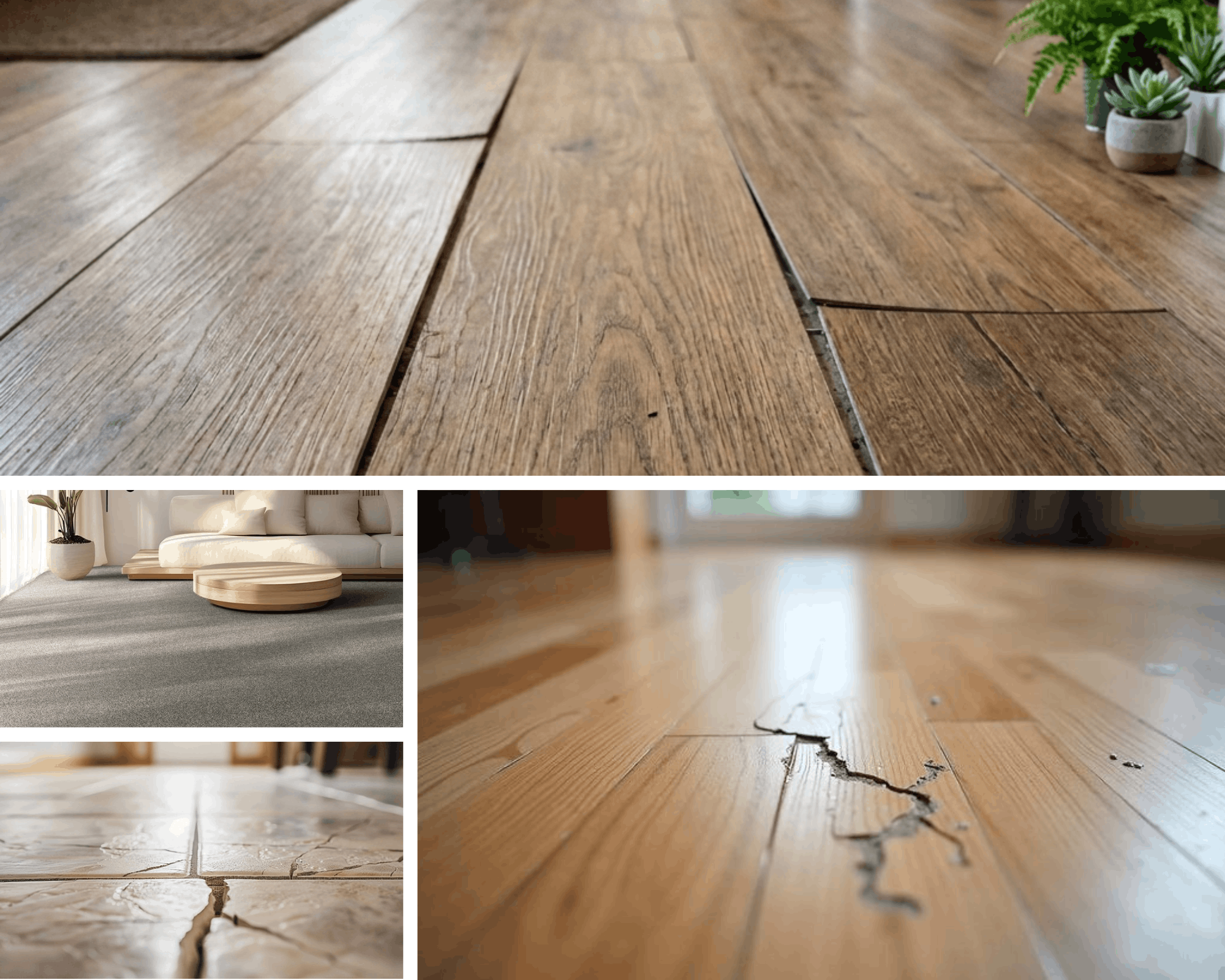
Imagine noticing a small imperfection in your flooring and deciding to deal with it later. Maybe it’s a slight separation between vinyl planks, a wrinkle forming in the carpet, or a tile that has developed a hairline crack. At first glance, these issues may seem too minor to warrant immediate attention.
However, flooring is one of the most heavily used surfaces in any home. Even small defects can worsen as people walk across them every day, furniture shifts, or moisture finds its way into vulnerable areas. What begins as a minor inconvenience can gradually lead to more extensive damage, higher repair costs, and unexpected disruptions.
For homeowners in O’Fallon, addressing flooring concerns early is often the difference between a straightforward repair and a much larger project. By recognizing the potential consequences of waiting, homeowners can better protect their flooring investment and avoid expenses that could have been prevented.
Small Flooring Problems Rarely Stay Small
One of the most common misconceptions about flooring damage is that minor issues will remain minor. In reality, many flooring problems become progressively worse when left unaddressed.
| Flooring Issue Today | Potential Problem Later |
|---|---|
| Carpet Ripple | Larger wrinkles and carpet replacement |
| Loose Vinyl Plank | Separation and moisture intrusion |
| Cracked Tile | Additional tile damage and subfloor issues |
| Laminate Swelling | Plank failure and flooring replacement |
| Floor Gaps | Increased movement and structural concerns |
While the visible damage may appear limited, the underlying cause often continues affecting surrounding flooring materials. Addressing problems early typically requires less labor, fewer materials, and lower overall costs.
The Four Hidden Costs Homeowners Often Overlook
Hidden Cost #1: Damage Can Spread Beyond the Original Area
A damaged section of flooring rarely affects only one location. A loose plank may place additional stress on neighboring planks. A carpet ripple can continue expanding as foot traffic places pressure on surrounding fibers. A cracked tile can transfer stress to adjacent tiles.
As flooring problems spread, repair costs often increase because larger sections require attention. What could have been a localized repair may eventually involve multiple rooms or larger flooring sections.
Hidden Cost #2: Moisture Can Cause More Damage Than You Realize
Moisture is one of the most overlooked threats to flooring systems. Even flooring materials designed to resist moisture can experience problems when water penetrates beneath the surface.Signs of moisture-related flooring issues may include:
- Lifting edges
- Flooring separation
- Soft spots underfoot
- Discoloration
- Warping
When moisture reaches the subfloor, repairs often become more complex and expensive than addressing the original flooring problem.
Hidden Cost #3: Safety Risks Increase Over Time
Flooring damage doesn’t only affect appearance. It can also create safety concerns throughout the home.Common hazards include:
- Loose flooring sections
- Raised edges
- Uneven surfaces
- Carpet wrinkles
- Cracked tile edges
These conditions increase the risk of trips and falls, particularly in high-traffic areas.
Hidden Cost #4: Delayed Repairs Often Lead to Replacement
One of the most expensive consequences of waiting is the possibility that a repairable issue eventually requires replacement.A damaged vinyl plank can often be repaired or replaced individually. However, if separation spreads throughout the floor or moisture affects multiple areas, a larger replacement project may become necessary.
In many situations, timely repairs help preserve existing flooring and delay replacement costs.
Real Examples of Flooring Problems That Become More Expensive Over Time
Carpet Flooring
A small carpet ripple may initially appear cosmetic. Over time, continued foot traffic can cause the ripple to grow larger, creating additional wear and increasing the likelihood of carpet replacement.
Vinyl Flooring
A loose plank may allow moisture, dirt, and debris to enter the flooring system. Left untreated, the damage can spread and affect surrounding planks.
Laminate Flooring
Minor swelling near seams often signals moisture exposure. If the source of moisture isn’t corrected, neighboring planks may become affected as well.
Tile Flooring
A single cracked tile may seem insignificant, but movement beneath the tile can eventually affect adjacent tiles and the subfloor below.
Repair Costs vs. Replacement Costs: Understanding the Difference
One of the biggest questions homeowners face is whether to repair the flooring or replace it entirely. While every situation is different, understanding the scope of the problem can help determine the most cost-effective solution.
| Service Option | Best For |
|---|---|
| Flooring Repair | Localized damage and isolated issues |
| Carpet Stretching | Wrinkles, ripples, and loose carpet |
| Vinyl Plank Repair | Damaged or separated planks |
| Tile Repair | Individual cracked or loose tiles |
| Flooring Replacement | Extensive or widespread damage |
Repair projects typically address a specific problem area, while replacement is often recommended when damage affects large sections of flooring or when the flooring has reached the end of its useful lifespan.The key advantage of early repairs is that they often prevent the need for larger replacement projects later.
A Quick Flooring Self-Inspection Checklist
Not every flooring issue requires immediate replacement. However, homeowners should periodically inspect their flooring for signs of developing problems.
Ask Yourself:
- Are gaps between flooring planks becoming larger?
- Have carpet wrinkles become more noticeable?
- Do certain areas feel uneven when walking?
- Are flooring edges lifting or curling?
- Have you noticed discoloration or moisture stains?
- Are damaged areas spreading over time?
- Does the flooring feel unstable or loose?
If you answered “yes” to one or more of these questions, it may be time to schedule a professional flooring evaluation.
When Is It Time to Call a Flooring Professional?
Some flooring concerns are easy to identify, while others may indicate hidden problems beneath the surface. Professional inspections can help determine whether a repair is sufficient or if more extensive work is needed.Consider contacting a flooring specialist when:
- Damage continues to spread
- Flooring movement becomes noticeable
- Moisture is involved
- Multiple areas are affected
- Previous repairs have failed
- Safety concerns are developing
Early assessments often provide homeowners with more repair options and greater flexibility when planning future flooring improvements.
Why Professional Flooring Repairs Often Save Money
Homeowners sometimes delay repairs because the visible damage appears minor. However, flooring professionals often find that the hidden cause of the problem is already affecting nearby areas.Professional repairs help:
- Identify underlying issues
- Prevent damage from spreading
- Extend flooring lifespan
- Maintain home appearance
- Reduce long-term expenses
Addressing problems early can help preserve existing flooring and minimize disruption to daily life.
Flooring Problems That Should Never Be Ignored
While all flooring damage deserves attention, some issues should be addressed as soon as possible.High-Priority Flooring Concerns may include,
- Water-related damage
- Flooring separation
- Soft spots underfoot
- Large carpet ripples
- Lifting vinyl planks
- Cracked tiles in high-traffic areas
These conditions often worsen over time and may increase repair costs if left untreated.
Repair or Replace: Making the Right Decision
Every flooring situation is unique. Some problems can be resolved with a targeted repair, while others may indicate that replacement is the better long-term investment.The best decision depends on:
- The extent of the damage
- The age of the flooring
- The condition of the subfloor
- Repair availability
- Long-term goals for the home
A professional evaluation provides valuable insight and helps homeowners choose the most practical solution.
Final Thoughts
Most flooring repairs become expensive not because the original problem was severe, but because the issue was allowed to continue for too long.A small carpet wrinkle, a loose vinyl plank, or a cracked tile may not seem urgent today. However, flooring damage often spreads gradually, affecting surrounding materials and increasing repair costs along the way.
By recognizing problems early and taking action before damage worsens, homeowners can protect their investment, improve safety, and avoid unnecessary replacement expenses.
Need Flooring Repairs in O'Fallon?
Whether you’re dealing with carpet ripples, damaged vinyl planks, laminate flooring issues, or cracked tile, S&S Floors provides professional repair and replacement solutions throughout O’Fallon and surrounding communities.
Contact S&S Floors today to schedule a flooring evaluation and discover the most cost-effective solution for your home.
Frequently Asked Questions
Can small flooring problems really become expensive repairs?
Yes. Many flooring issues gradually worsen over time, especially when moisture, movement, or daily traffic continues to affect the damaged area.
Is repairing flooring usually cheaper than replacement?
In many situations, repairs are more affordable when damage is limited to a specific area. Widespread damage may require replacement.
What flooring problems should be addressed immediately?
Moisture damage, flooring separation, lifting edges, soft spots, and large carpet wrinkles should be evaluated as soon as possible.
How often should flooring be inspected?
Homeowners should inspect flooring regularly and pay attention to changes in appearance, movement, or performance.
Can flooring damage affect home value?
Visible flooring damage can impact a home’s appearance and may influence buyer perceptions during a home sale.
When should I replace flooring instead of repairing it?
Replacement is often considered when damage is extensive, recurring, or affecting large sections of the floor.
How can I tell if moisture is affecting my flooring?
Common signs include lifting edges, warping, discoloration, soft spots, and flooring movement.