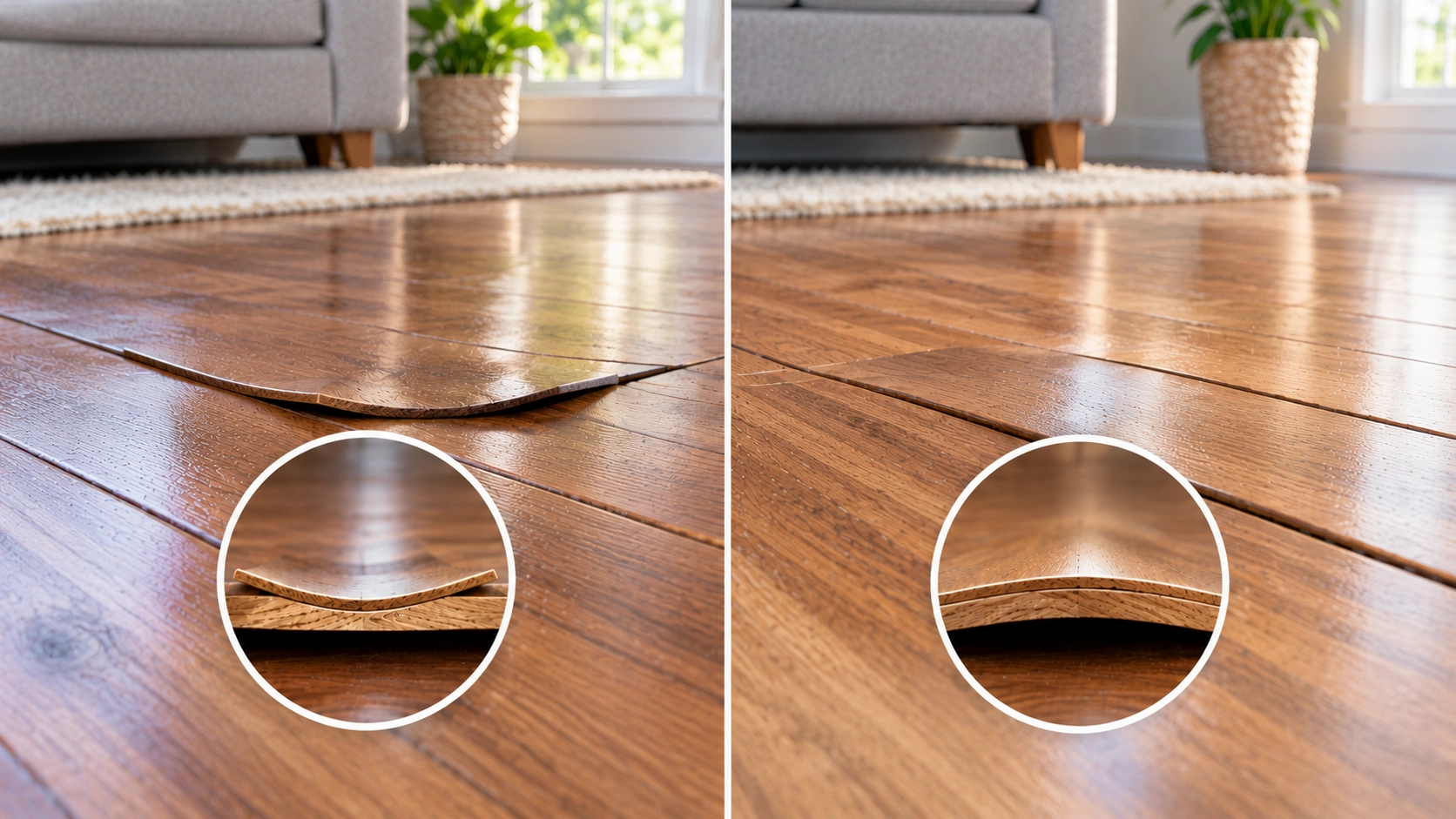
Hardwood Floor Cupping vs. Crowning: How to Recognize Moisture Damage
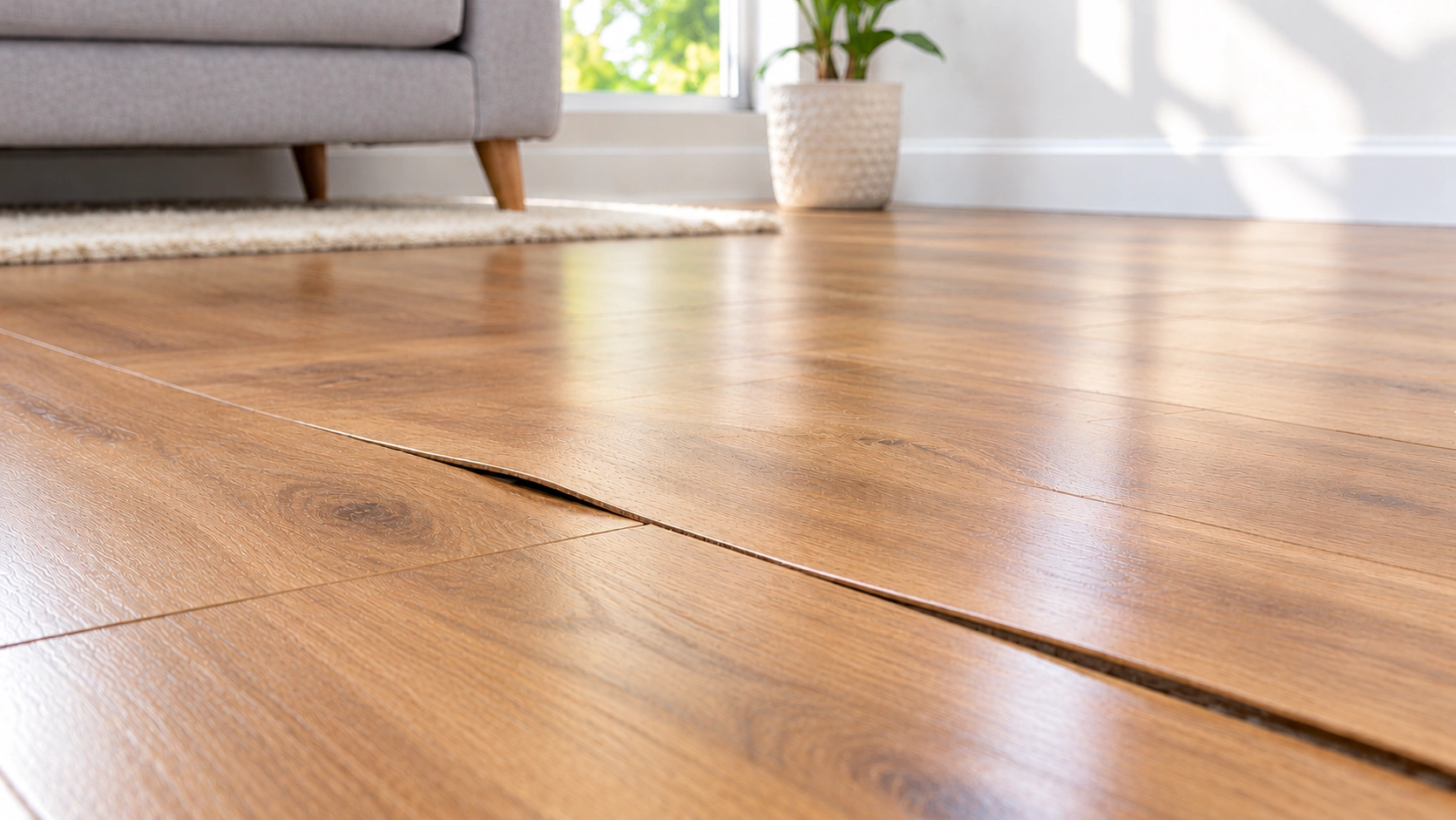
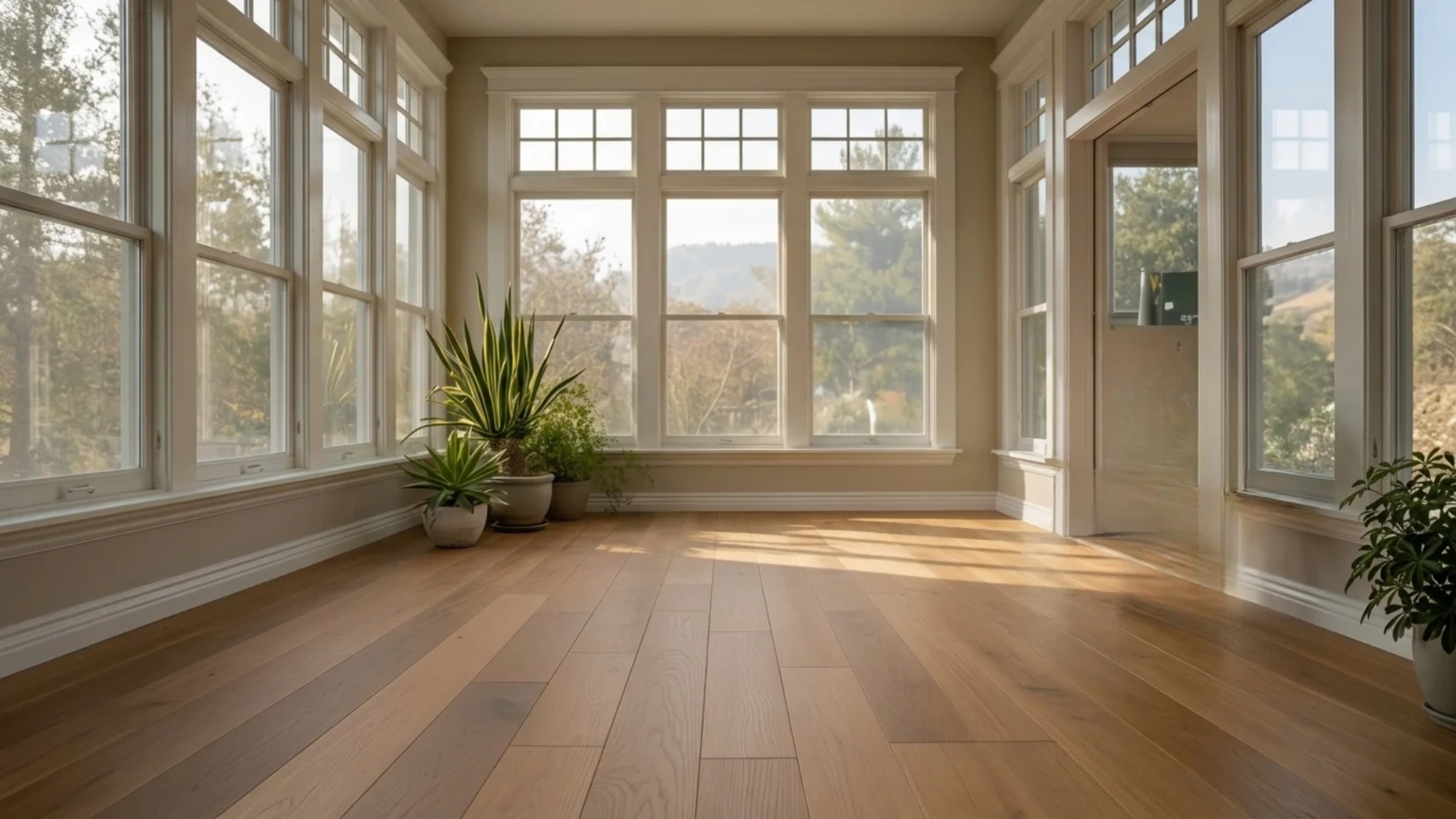
Hardwood floors can develop noticeable changes over time, especially when moisture levels become unbalanced.

Hardwood floors can develop noticeable changes over time, especially when moisture levels become unbalanced.
Vinyl plank flooring is popular for its attractive appearance, practical maintenance, and comfortable feel.
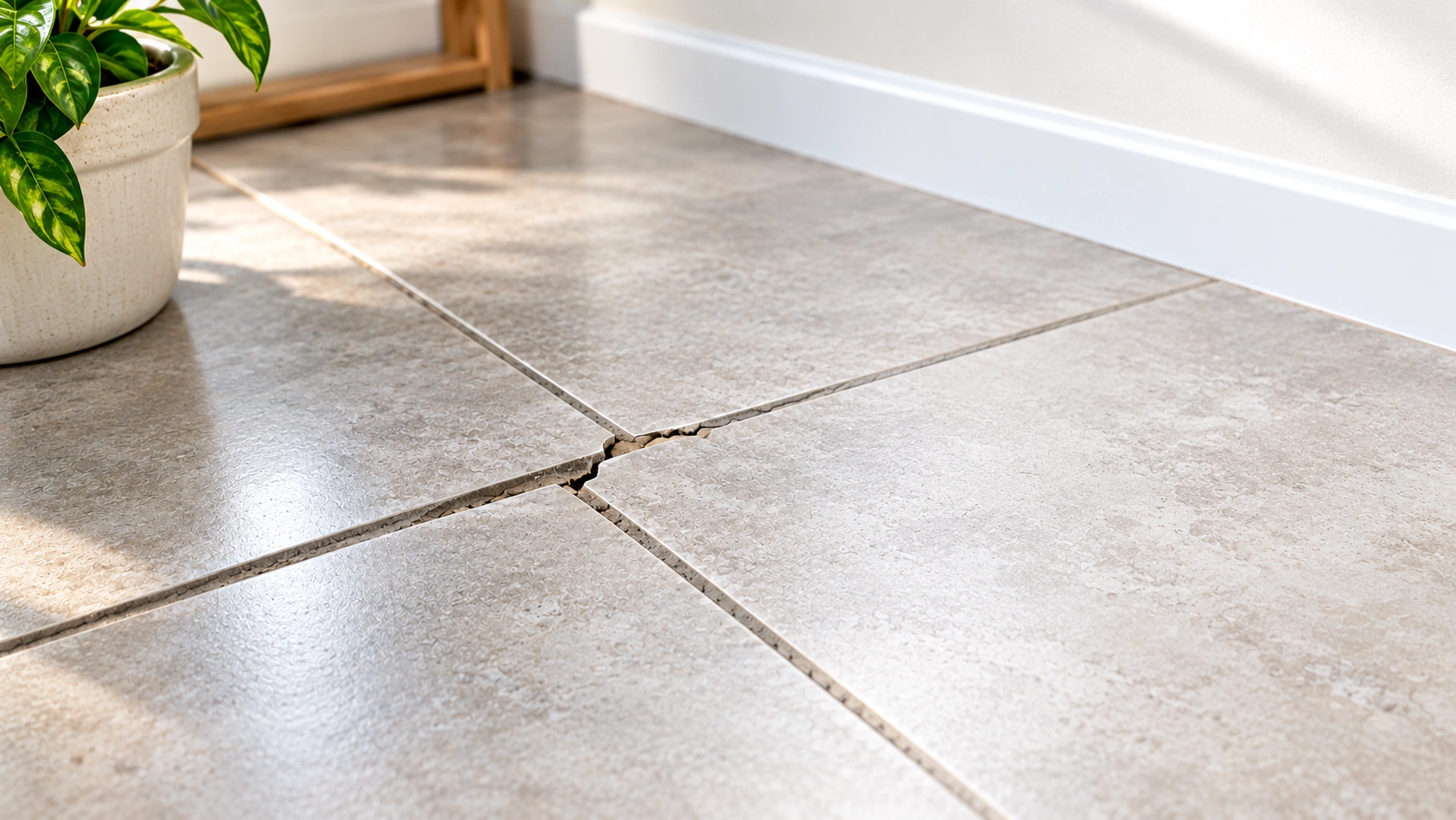
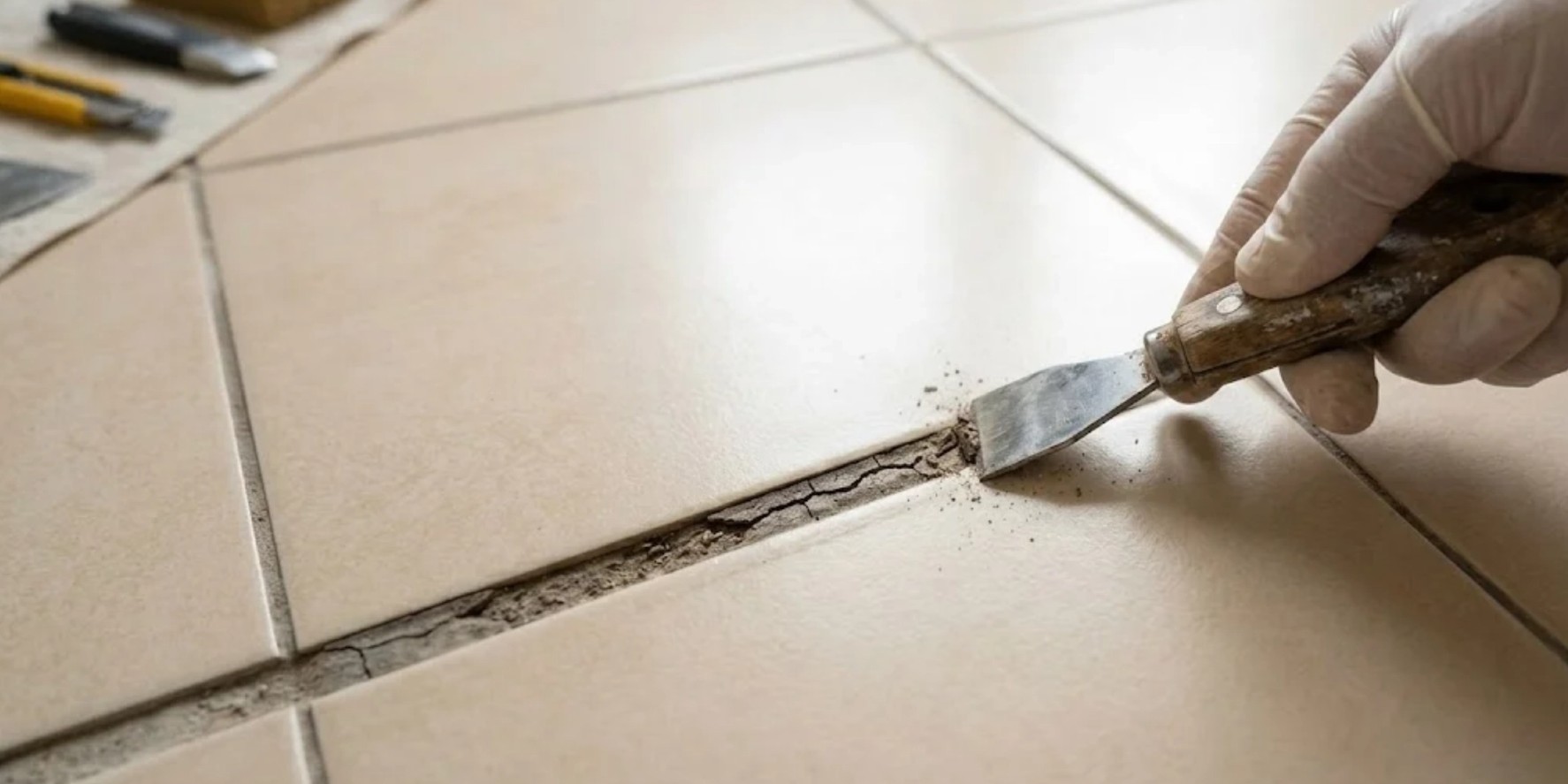
You notice a crack in the grout between your tiles, remove the damaged material, and replace it with fresh grout. The surface looks clean again, and you expect the problem to be resolved.
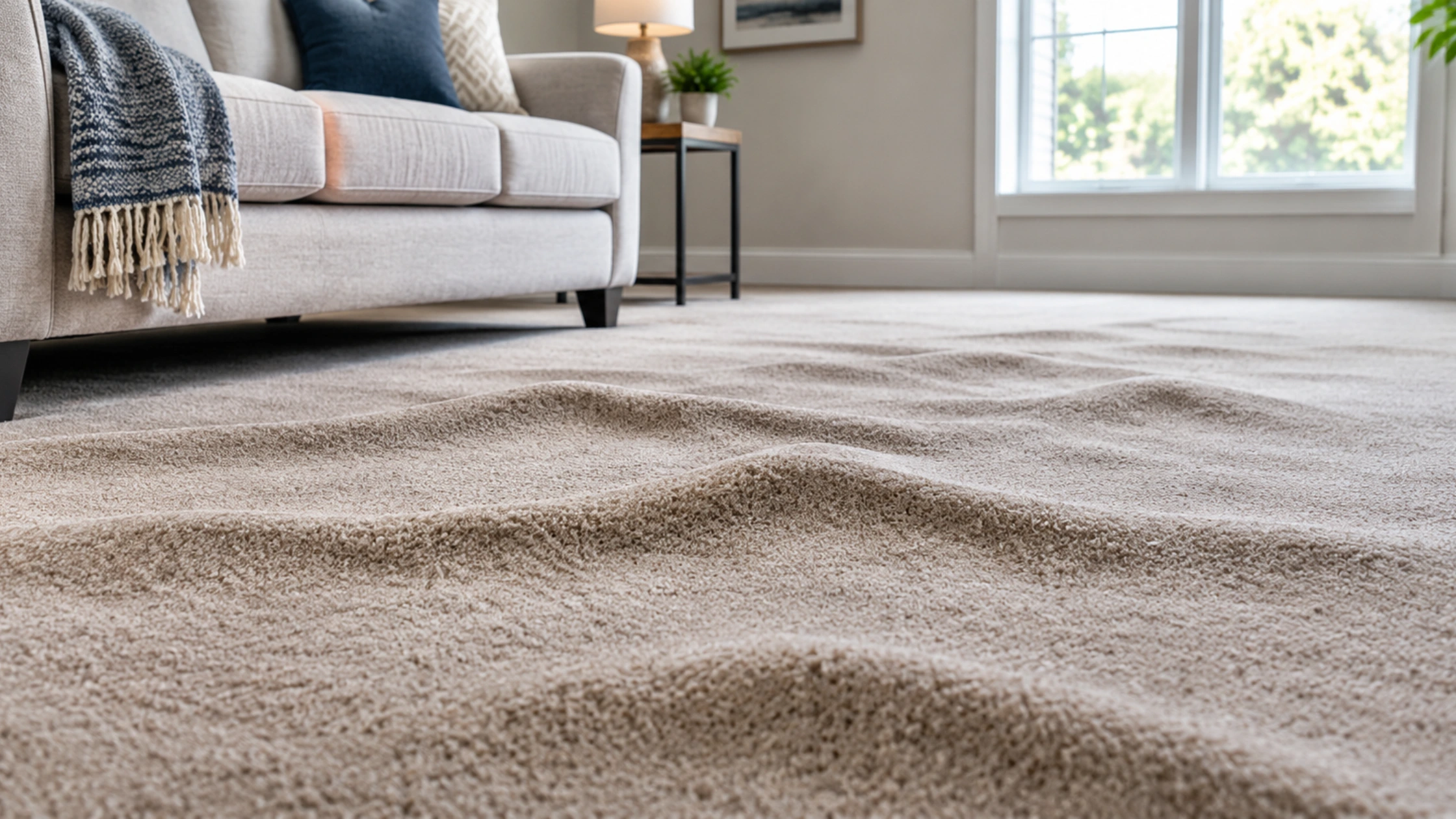
Have you noticed waves across your living room carpet, a raised bump near a doorway, or ripples that seem to be spreading down the hallway? These changes can make a room look untidy and may create a tripping hazard.
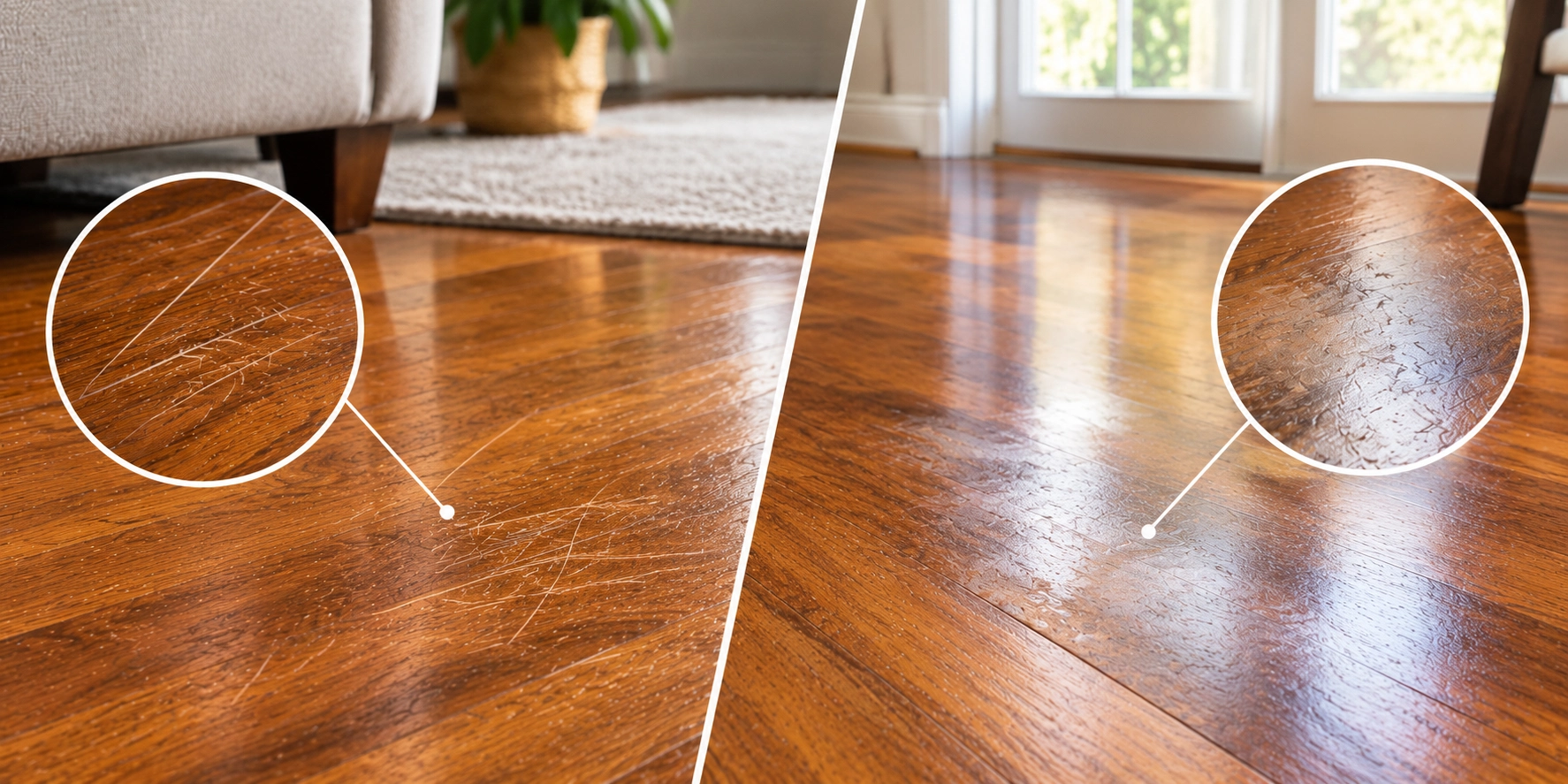
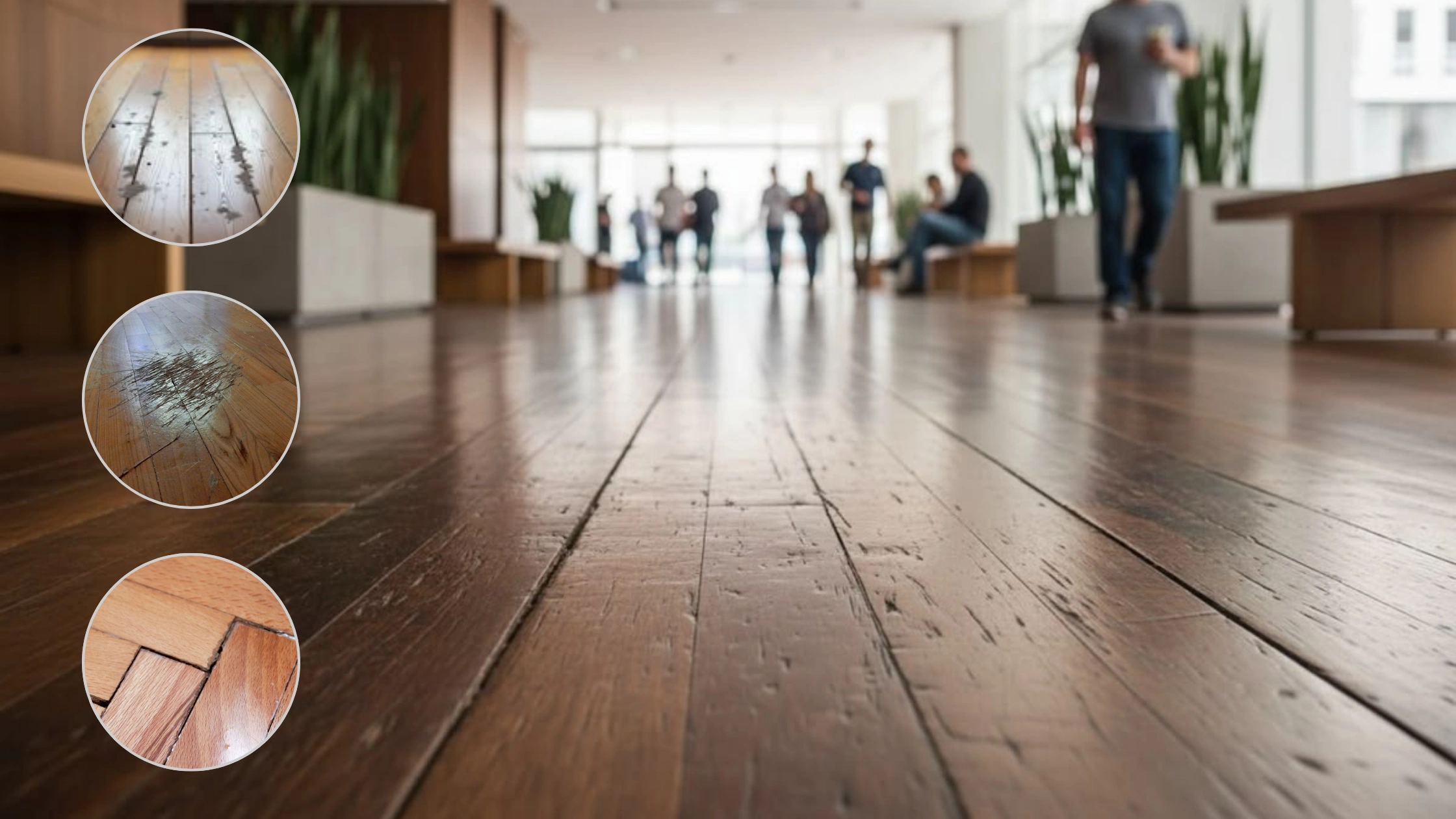
Hardwood floors can handle years of daily activity, but scratches, dull patches, and worn areas can gradually change their appearance.
Tile flooring can remain in place for years, but the grout between the tiles may gradually lose its original appearance. Dirt, repeated cleaning, moisture exposure, and everyday foot traffic can leave grout lines stained, cracked, or uneven.
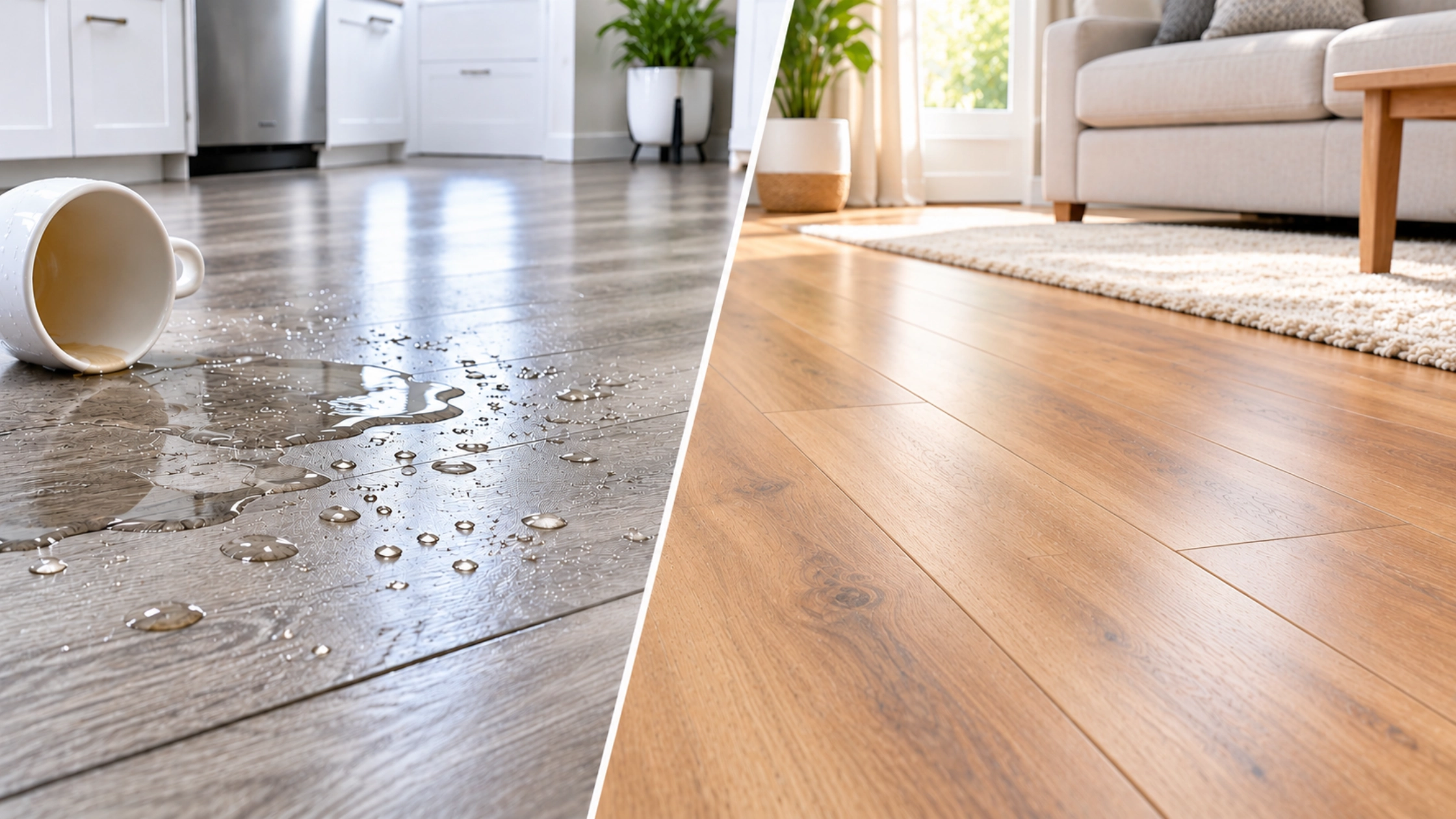
Laminate flooring can give a home the look of natural hardwood while providing a practical surface for everyday activity. But when moisture becomes a concern, not every laminate product offers the same level of protection.
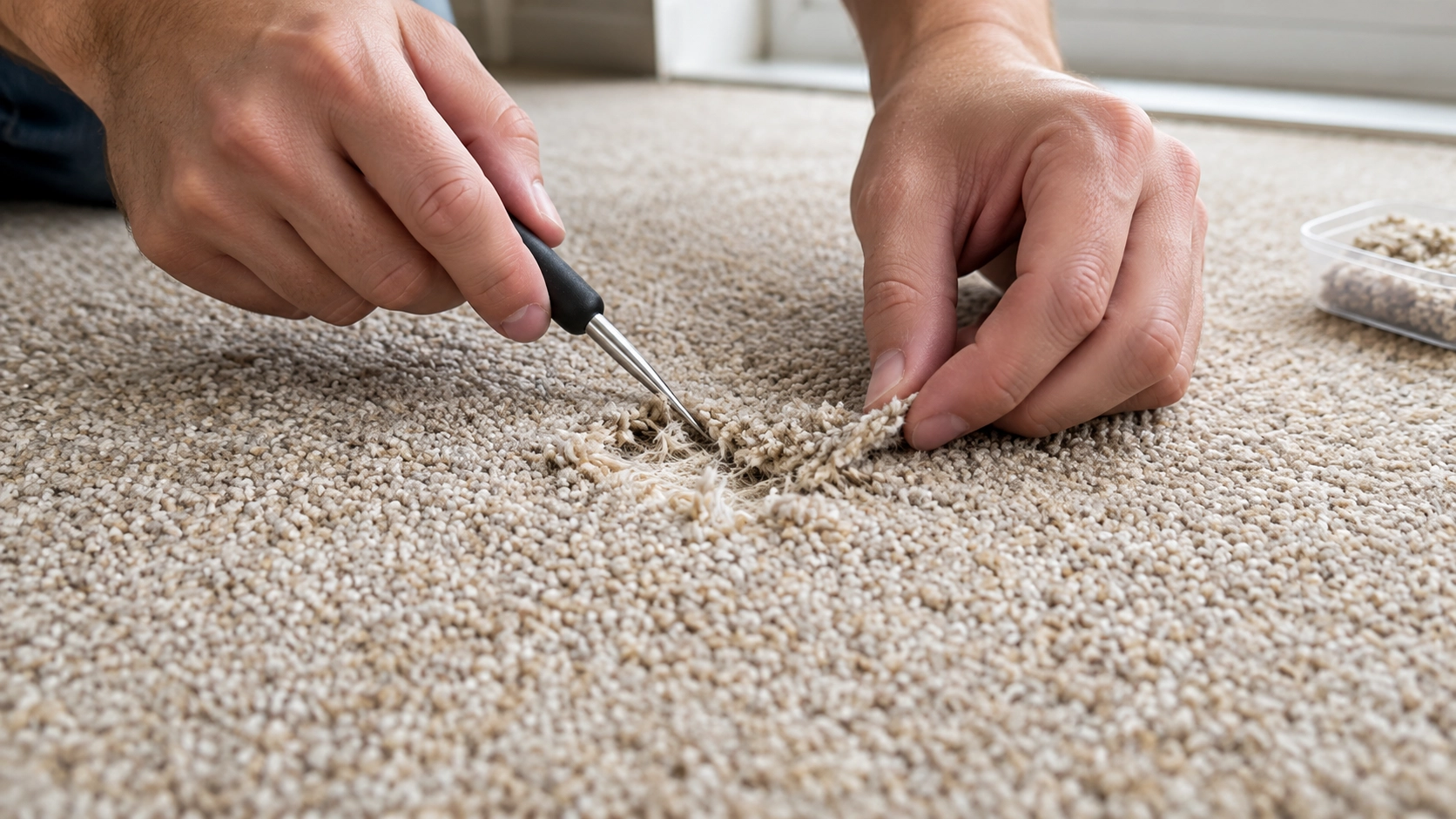
A small hole in carpet may not seem urgent when it first appears. It might be caused by furniture movement, a pet, a dropped object, a burn, or everyday wear.
Searching for laminate flooring near me can quickly bring up several local options, flooring styles, and service providers. But finding something nearby does not automatically mean it is the right choice for your home.The more important questions come after the search.
Hardwood floors can change gradually as they experience foot traffic, furniture movement, moisture, temperature changes, and everyday use.